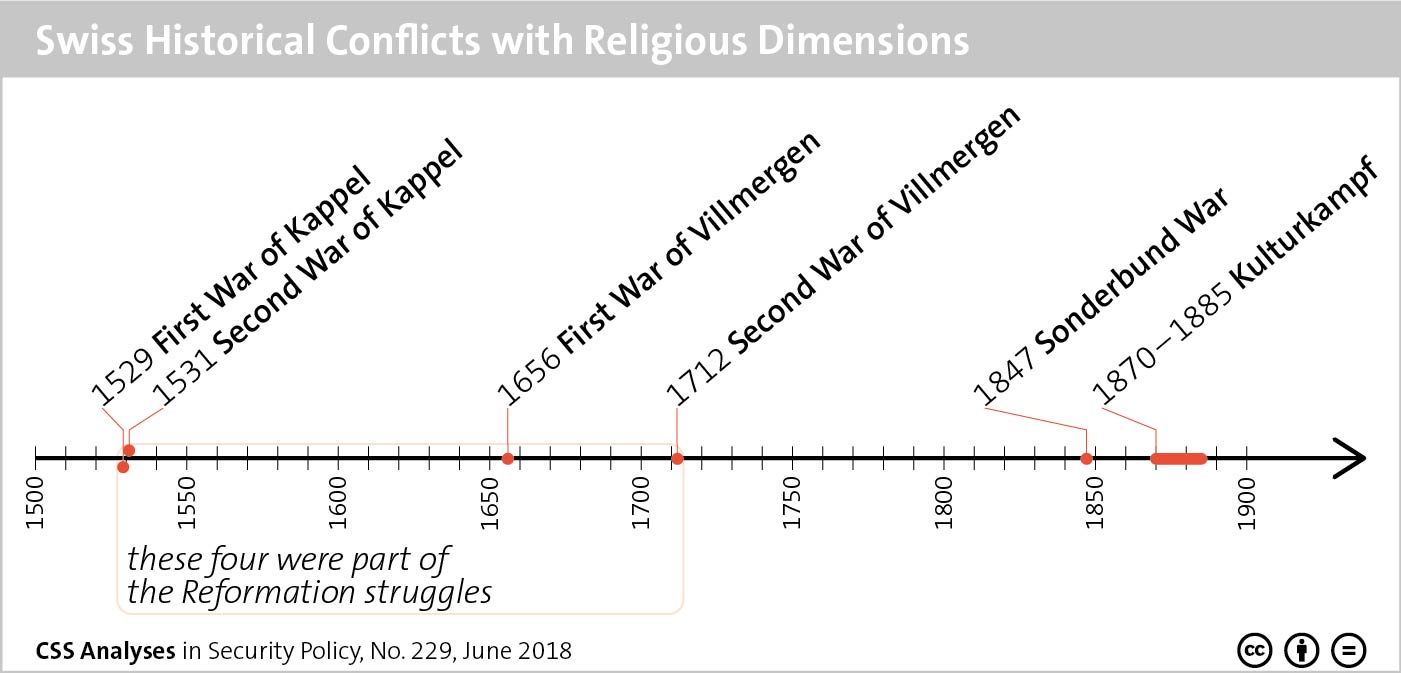
This graphic provides an overview of Swiss conflicts with religious dimensions since 1500. To find out how these conflicts continue to shape Switzerland’s contemporary political culture, see Jean-Nicolas Bitter and Angela Ullmann’s recent CSS Analyses in Security Policy here. For more CSS charts, maps and graphics, click here.
Cyberattacks must also be understood as a phenomenon of political violence and combated as such, says Myriam Dunn Cavelty.
Digitalisation will fundamentally alter many aspects of our lives – in many cases for the better. However, our increasing dependence on computers and networks for data exchange and storage is creating new vulnerabilities for both individuals and society. The key word here is: cybersecurity. This encompasses more than just technical solutions: it involves not only security in cyberspace, but also security that is influenced by cyberspace.
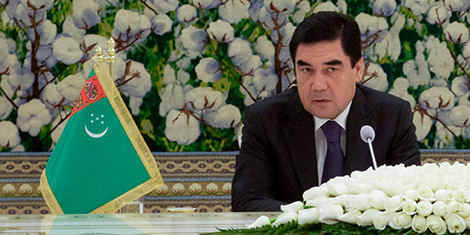
With Iran and Afghanistan as neighbors, Turkmenistan is often overlooked due to its proximity to geopolitical hotspots. Recent measures by its government to restrict emigration may seem peculiar without greater context on the challenges facing the country. Economic mismanagement and issues in securing the country’s border against the Taliban and the Islamic State (ISIS) and affiliated groups are just some of the signs that without a change in approach, there is a risk of a destabilization in the country. With endemic corruption, systemic flaws, and a totalitarian leader, the impact of larger failings in Turkmenistan could have potentially significant geopolitical repercussions.
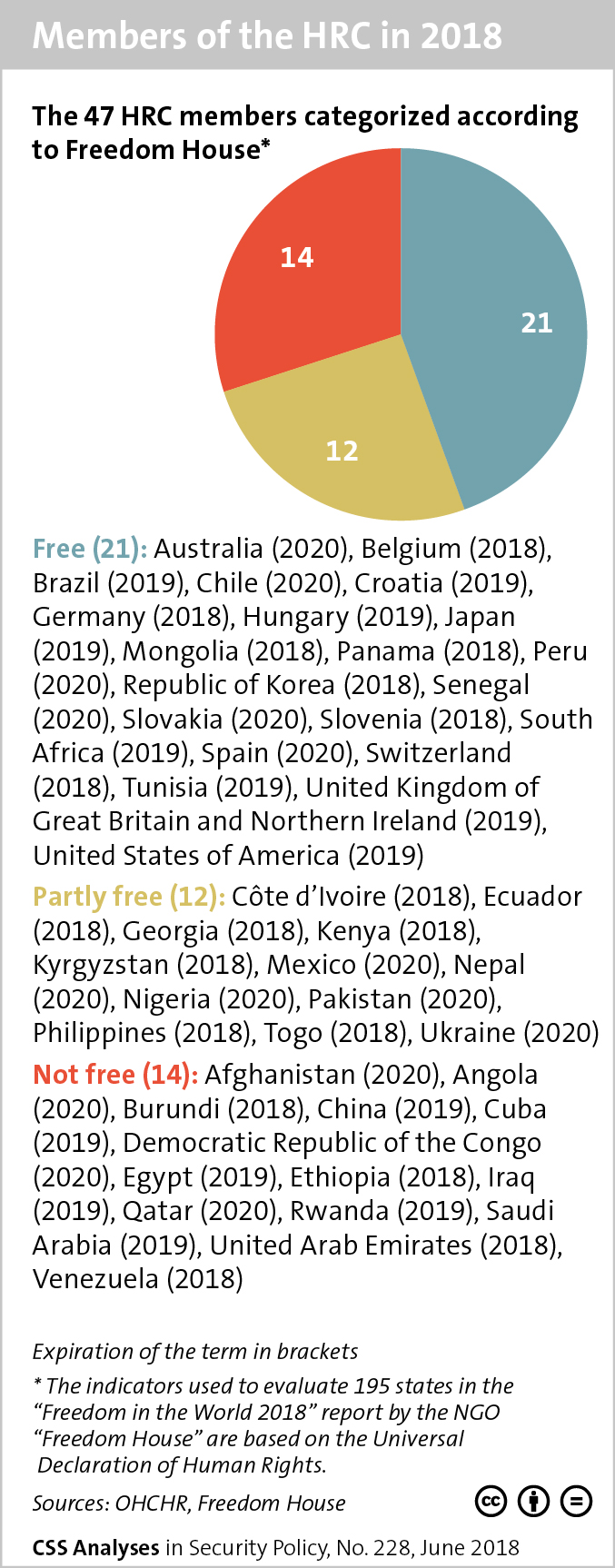
This graphic groups the members of the UN Human Rights Council according to the state of freedom in these countries. For an account of the state of the protection of human rights around the globe and the UN’s role in protecting such rights, see Céline Barmet’s recent addition to the CSS’ Analyses in Security Policy series here. For more CSS charts, maps and graphics, click here.
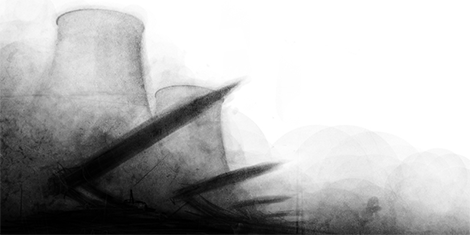
Illustration: Berkay Bugdan, ‘Iran Nuclear Program’. Charcoal and digital 2006. berkaybugdan.com
Disclaimer: The views expressed in this article are exclusively the author’s and do not necessarily represent the position of the Center for Security Studies or of any other institution.
In the conflict over its nuclear program, Iran was subjected to one of the toughest and most sophisticated sanctions regimes ever seen. Yet sanctions alone did not give rise to the Joint Comprehensive Plan of Action (JCPOA). The nuclear agreement resulted from an intricate interplay between sanctions and conflict context. This successful resolution of the nuclear issue can be attributed to two factors. First, masterful diplomacy on both sides isolated the issue of the nuclear program from the wider conflict between the Islamic Republic and the West and circumnavigated some of its intractable trials and tribulations. Second, the agreement was reached in the face of the constant machinations of hardliners on both sides, whose precise objective it was to link the nuclear issue to the wider struggle between the Islamic Republic and the West.