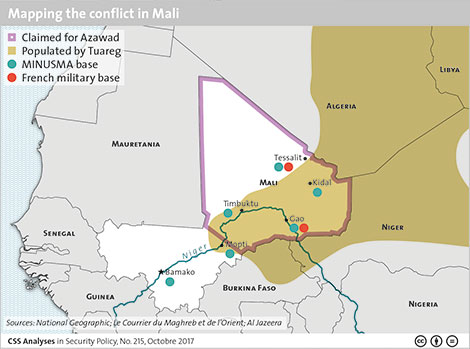
This graphic offers a geographical overview of the various international security actors in Mali’s ongoing struggle with widespread insecurity and Islamist extremism. To read more about the conflict as well as Switzerland’s efforts to support the Mali’s fragile peace, see Allison Chandler and Benno Zogg’s recent CSS analysis here. For more graphics on peace and conflict, check out the CSS’ collection of graphs and charts on the subject here.
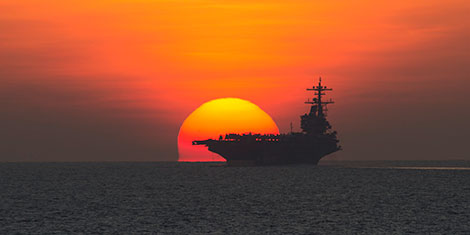
The 2017 National Security Strategy is a statement of Trump administration priorities, and its central tenets can be directly traced to statements made by Donald Trump on the campaign trail, albeit now framed in more genteel terms. National security experts are busily analyzing the strategy to discern its insights, pivots, oversights, inconsistencies, and priorities. This essay, however, concerns itself solely with the strategy’s implications for American seapower.
The total absence of European policies to address climate-driven migration from Africa is deeply concerning.
Europe is underestimating the primary cause of migration from sub-Saharan Africa: climate change. Environmental changes have a particularly pronounced impact on migration from Africa for at least four reasons: the continent is highly dependent on natural resources and agriculture, which are the first assets to be undermined by climate change; it has poor infrastructure, such as flood defences; its states are often characterized by weak institutions, which are less able to adapt to climate change; and its high poverty rate undermines the resilience of local populations to climate shocks.
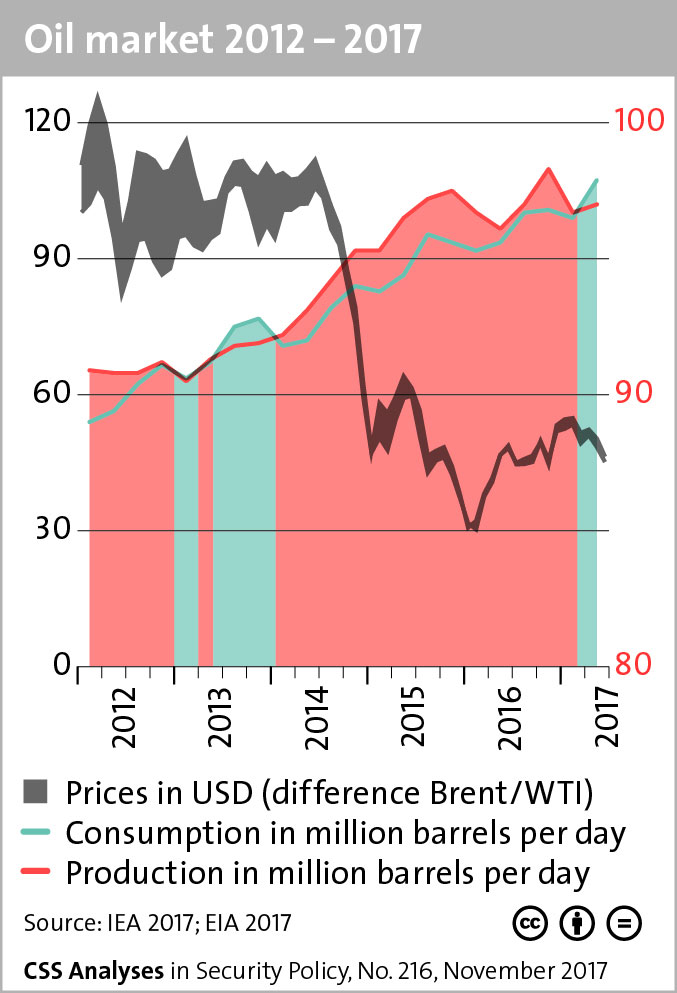
This graphic maps key indicators of the oil market in between 2012 – 2017. For more information on which trends will shape the oil market, check out this CSS analysis by Severin Fischer. For more graphics on natural resources, check out the CSS’ collection of graphs and charts on the subject here.
The systems and networks naval forces must protect are complex and large in size. Ships are increasingly using systems that rely on digitization, integration, and automation. Offensive actors understand the naval reliance on communications, ISR, and visualization technologies, and perceive them as vulnerable to disruption and exploitation. Cyber has been moving from a supportive to a rather active role within an operational force. With today’s rapidly evolving threats, naval forces are well advised to develop a sense of urgency not only to develop cyber resilience capabilities that will enable them to “fight through”, but also cyber warfighting capabilities as these will be particularly valuable when they can be delivered reliably and in concert with other capabilities.