This map shows the key players in the Middle East. For more on how Trump’s Middle East policy differs from that of Barack Obama, see Jack Thompson’s recent addition to the CSS Analyses in Security Policy series here. For more CSS charts, maps and graphics on proliferation, click here.
Mediation Perspectivesis a periodic blog entry that’s provided by the CSS’ Mediation Support Teamand occasional guest authors. Each entry is designed to highlight the utility of mediation approaches in dealing with violent political conflicts. To keep up to date with the Mediation Support Team, you can sign up to their newsletter here.
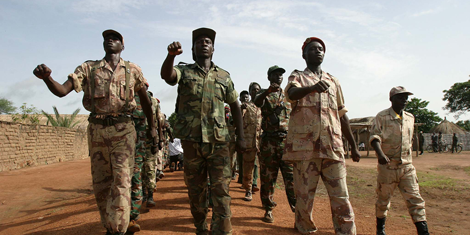
The challenge of how to deal with armed groups after a conflict ends is one of the many problems facing mediators and negotiators working toward a peace agreement. Such arrangements are critical because mistrust between armed opponents, the challenge of restoring state authority, and the hazards of peace process derailment are not easily overcome. Disarmament, Demobilization, and Reintegration (DDR) programs, which attempt to shepherd former combatants into peacetime civilian roles, are one approach. However, DDR rarely provides channels for former combatants to enter the government’s security forces. Instead, this is the focus of the subject of this blog, military integration initiatives.
As the trade war between China and the United States heats up, Europeans should think hard about who they turn to for assistance
In the early years of Xi Jinping’s presidency, China became increasingly assertive. It challenged neighbours and irksome international rules, while painting its behaviour as a measured response to other states’ mischief. Beijing lashed out at what it called Japan’s “militarism”; the “wrongful” deployment of the Terminal High Altitude Area Defense system in South Korea; “unfair” international arbitration on territorial claims in the South China Sea; the European Union’s “protectionist” view of China’s market economy status; Indian “provocations” on the Chinese border; and, of course, the United States’ “threatening” presence in East Asia. In reality, China insisted that status quo powers accept policies on its terms, while it became ever more unpredictable in its dealings with them. Europe learned this the hard way – through botched summits, interrupted or delayed dialogues, constant Chinese attempts to divide the EU, and Beijing’s sweeping disregard for implementing joint agendas and addressing European complaints.
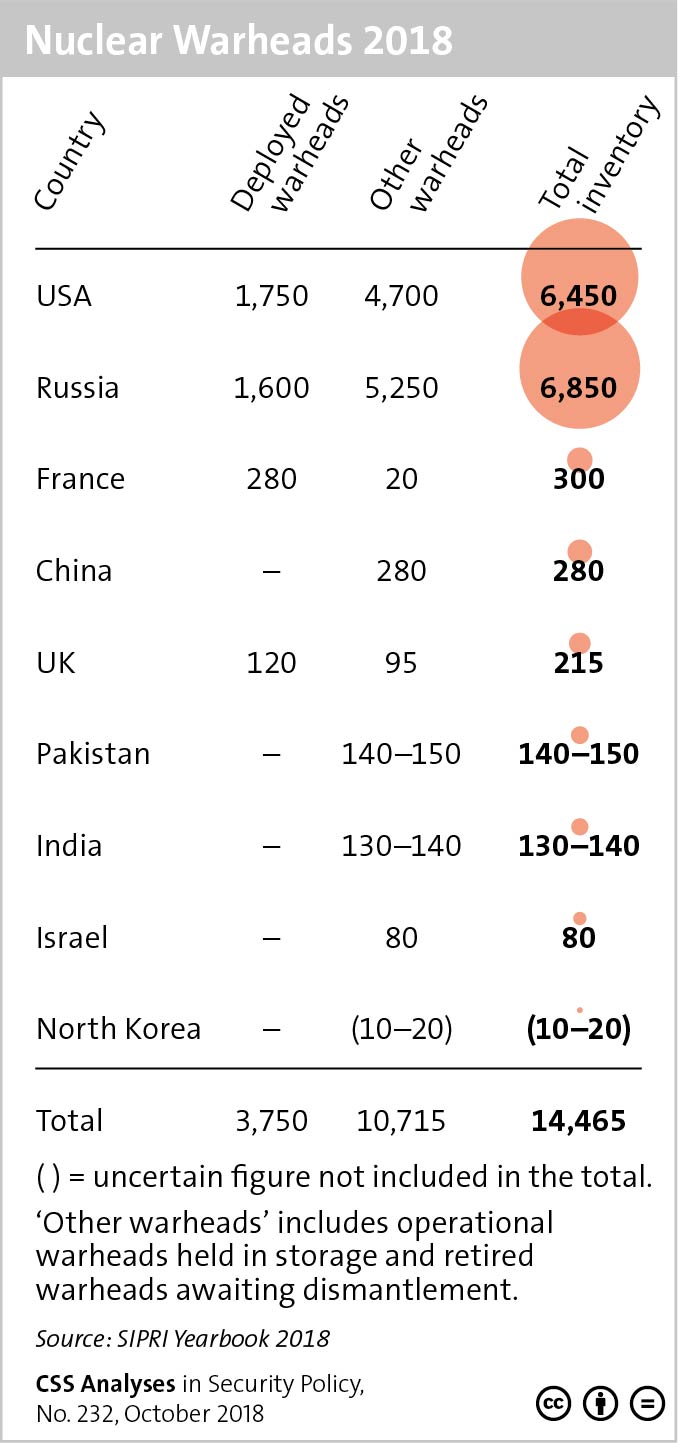
This graphic shows the number of nuclear warheads owned by each country known to have nuclear weapons. For more on trends in nuclear arms control, see Oliver Thränert’s recent addition to the CSS Analyses in Security Policy series here. For more CSS charts, maps and graphics on proliferation, click here.
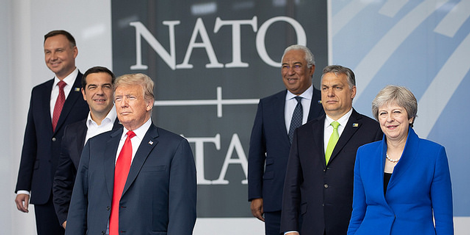
NATO Summits take stock of recent political and security developments, assess how they affect the Alliance’s posture and adaptation agenda, and decide on possible new directions. From the outside, a key feature of any Summit is also what it reveals about NATO’s political cohesion and relevance.