
Categories
Cyber

Disinformation on Steroids: The Threat of Deep Fakes

Image courtesy of PDPics/pixabay.

This article was originally published by the Council on Foreign Relations on 16 October 2018.

Introduction

Disinformation and distrust online are set to take a turn for the worse. Rapid advances in deep-learning algorithms to synthesize video and audio content have made possible the production of “deep fakes”—highly realistic and difficult-to-detect depictions of real people doing or saying things they never said or did. As this technology spreads, the ability to produce bogus yet credible video and audio content will come within the reach of an ever-larger array of governments, nonstate actors, and individuals. As a result, the ability to advance lies using hyperrealistic, fake evidence is poised for a great leap forward.

Categories
CSS Blog

Mediation Perspectives: Integrating Religion into Conflict Analysis

Image courtesy of cms-archiv/pixabay.

Mediation Perspectives is a periodic blog entry that’s provided by the CSS’ Mediation Support Team and occasional guest authors. Each entry is designed to highlight the utility of mediation approaches in dealing with violent political conflicts. To keep up to date with the Mediation Support Team, you can sign up to their newsletter here.

A new guide published by the United States Institute of Peace (USIP) aims to help peacebuilding practitioners integrate religion into their conflict analysis and program planning. In this blogpost the authors offer a brief introduction to the guide.

Categories
CSS Blog

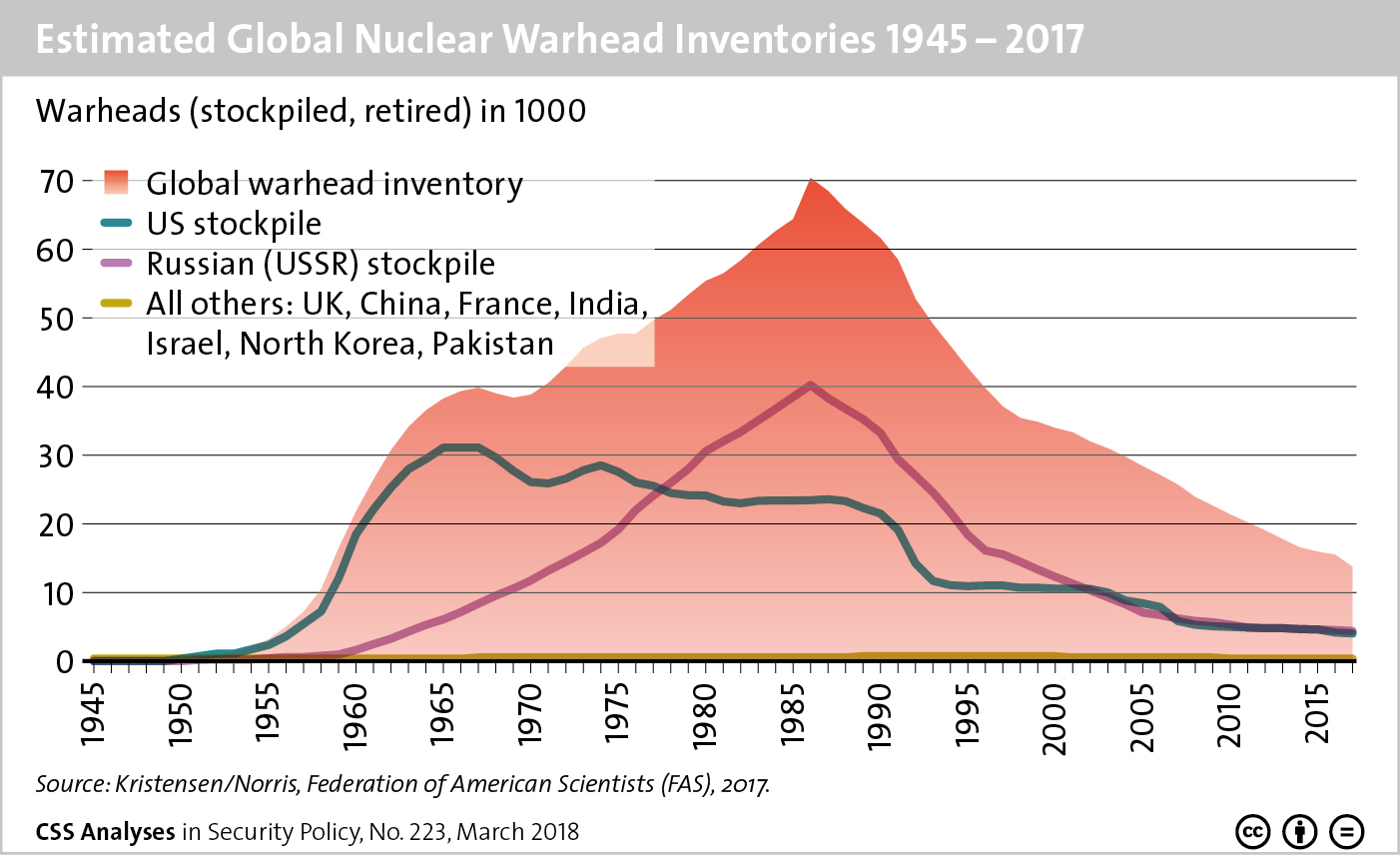
Estimated Global Nuclear Warhead Inventories 1945-2017


EmailFacebookTwitter

This graphic provides an overview of estimated global nuclear warhead inventories from 1945 to 2017. To find out more about the Trump administration’s ‘Nuclear Posture Review’ and what it means for US nuclear policy, see Oliver Thränert ‘s recent addition to the CSS’ Analyses in Security Policy series here. For more CSS charts and graphs on proliferation, click here.

Paranoia and Defense Planning: Why Language Matters When Talking About Nuclear Weapons

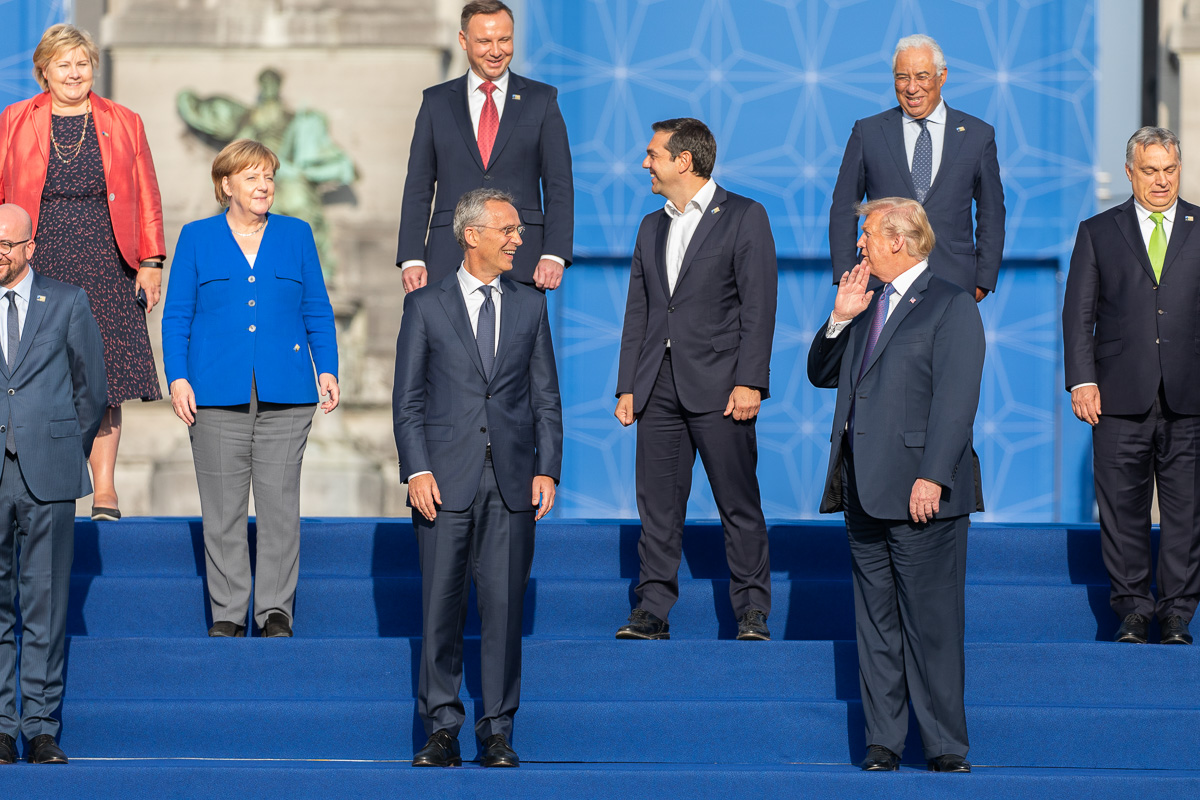
Image courtesy of the White House/Flickr

This article was originally published by War on the Rocks on 10 October 2018.

The U.S. ambassador to NATO has, when one thinks about it, just one job. No matter who holds the job, the U.S. ambassador to NATO has many priorities, as one would expect for a role that involves dealing with dozens of countries and trying to get them to agree on a coherent defense policy. But one would think that not provoking a nuclear war with Russia would be at the very top of the ambassador’s list of priorities. This seems like a no-brainer, but it helps to focus on the simple things. The United States has a special obligation to be the “adult in the room” and to keep the alliance focused on constructive responses to collective threats.

In Search of Sustainable Approaches to Migration, EU Strives for Partnerships

Image courtesy of pxsphere

This article was originally published by the IPI Global Observatory on 12 October 2018.

Last month, president of the European Commission Jean-Claude Juncker proposed a new program that would aim to bolster economic growth in Africa as part of the European Union’s (EU) efforts to reduce irregular migration. Such a measure stands in contrast to others taken in recent years where, for example, Italy worked to stem the flow of migrants—with EU backing—by engaging local intermediaries, who have allegedly paid armed groups to cease smuggling. Avoiding the extreme flows of migrants as experienced in 2015 remains a top concern irrespective of the measures employed, not least to contain the rising tide of populism rooted in anti-migrant sentiment in Europe.