The signs are ominous—especially in Israel and its neighbours, Syria, Lebanon and Gaza. Violence, both actual and rhetorical, has been escalating on all three fronts. Gaza could become the immediate flash point as the Palestinians’ ‘March of Return’, which began on 30 March, intensifies and Israeli retaliation becomes increasingly lethal.
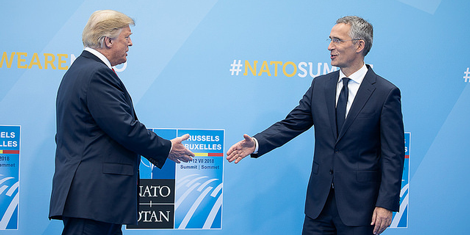
When asked about President Donald Trump’s July 2018 visit to Europe, Henry Kissinger presciently noted, “I think Trump may be one of those figures in history who appears from time to time to mark the end of an era and to force it to give up its old pretenses.” In other words, for all the uproar surrounding the president’s personality, something bigger is going on, and Trump has come to personify it. Perhaps the biggest challenge is, therefore, to put words to this shifting ground and imagine its potential consequences.
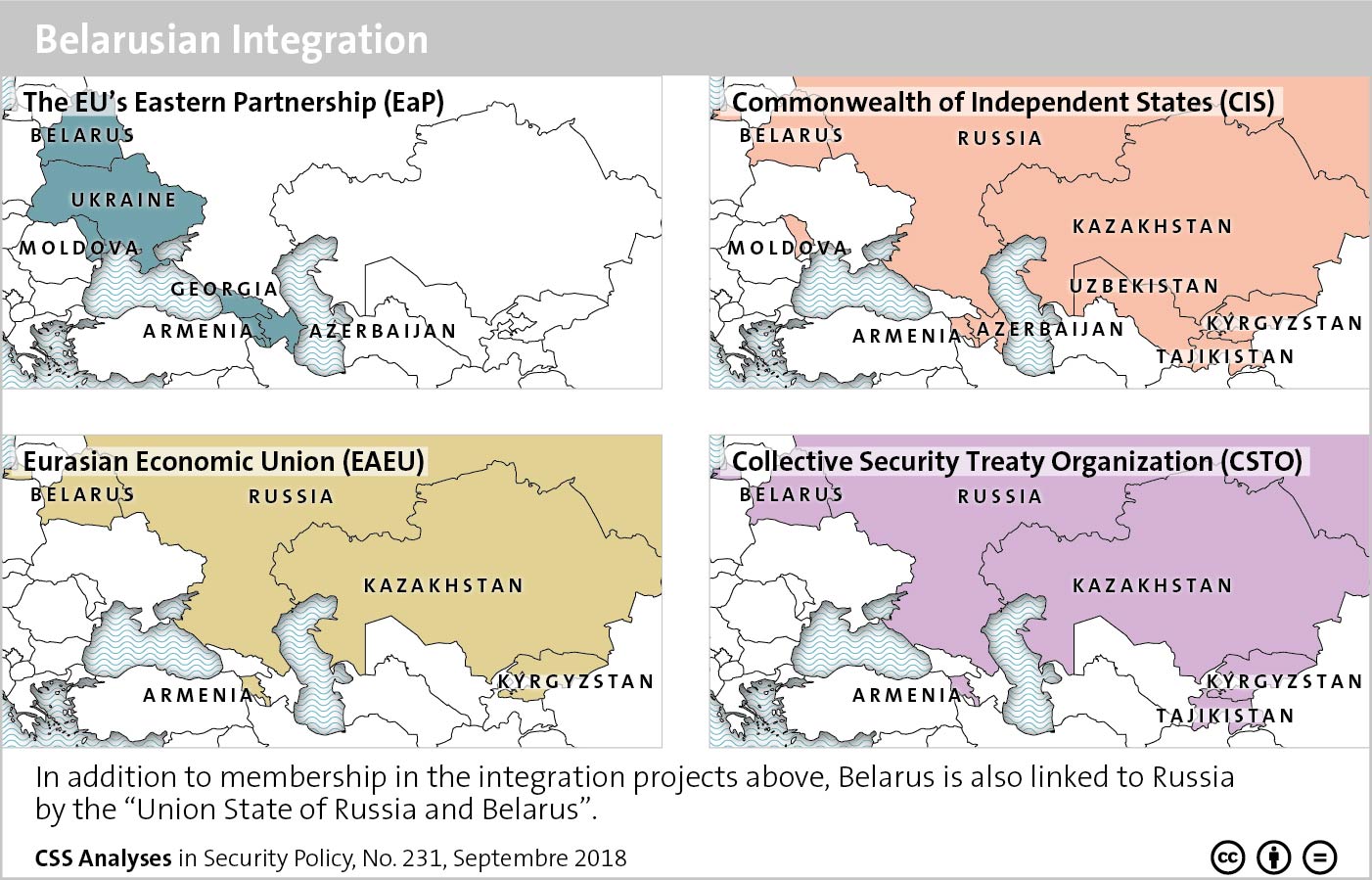
This graphic maps the different regional integration projects and organisations Belarus is a member of. For more on how Belarus’ relations with the East and the West will develop, see Benno Zogg’s recent addition to the CSS Analyses in Security Policy series here. For more CSS charts, maps and graphics on proliferation, click here.
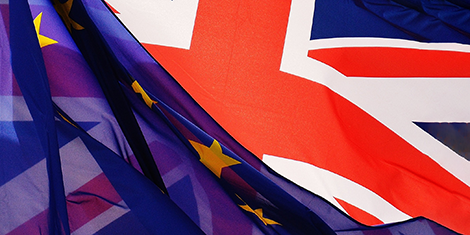
As like-minded partners, sharing many policy traditions, norms and standards the EU and UK have every strategic interest in working together on a values-based foreign policy post-Brexit.
In the ongoing white noise of the Brexit negotiations, we hear very little spoken about UK-EU relations on foreign policy and development assistance. Yet this is an area where the UK and the EU have every interest in working closely together, in a way which recognises the strong alignment of the UK and EU on norms, values and priorities. The UK can work with the EU post-Brexit to ensure its vision remains at the heart of a future relationship, and that the vision remains based on shared values, grounded in human rights, democracy and the rule of law. The UK should also recognise where in the past it has been able to capitalise on its membership to advance its normative vision and seek ways to recreate the relationships that emulate this.
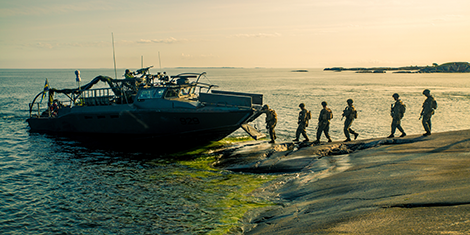
Starting from different points of departure, the Nordic countries are coming closer together regarding their outlook on security, due to a perceived Russian threat and lack of American leadership. Multilateral forums like NATO, the EU and the UN remain their best chance of contributing to defining and addressing threats to their own and global stability.