Perspectives on NATO’s Deterrence and Defence on the Eastern Flank

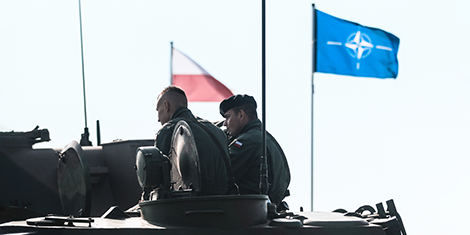
Image courtesy of Hubert Delany/DVIDS.

This article was originally published by The Polish Institute of International Affairs (PISM) on 12 September 2018.

Implementation of the NATO Brussels Summit decisions will enhance deterrence and defence on the Alliance’s Eastern Flank, especially through an improvement of the ability to mobilise and deploy larger reinforcements. At the same time, NATO members’ different threat perceptions, including their view of Russia, remain a challenge. Maintaining the U.S. in the lead role will be key to further adaptation but this position could be weakened by growing transatlantic tensions and dissonance in the American administration.
Categories
Business and Finance CSS Blog

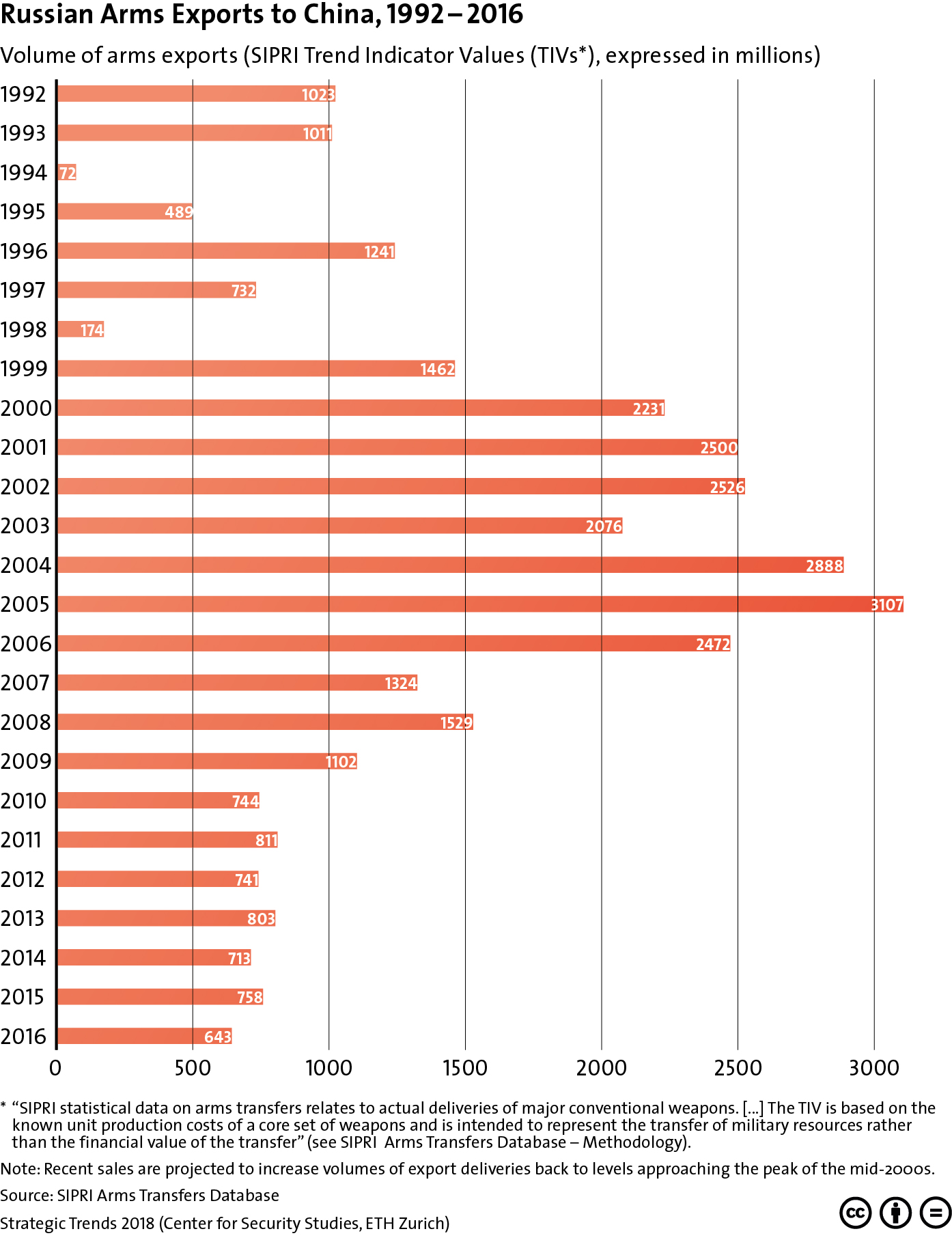
Russian Arms Exports to China, 1992 – 2016

EmailFacebookTwitter

This graphic charts the volume of Russian arms exports to China from 1992-2016. For more on the strengthening China-Russia relationship, see Brian Carlson’s chapter for Strategic Trends 2018 here. For more CSS charts, maps and graphics on proliferation, click here.

Going Legit? The Foreign Policy of Vladimir Putin

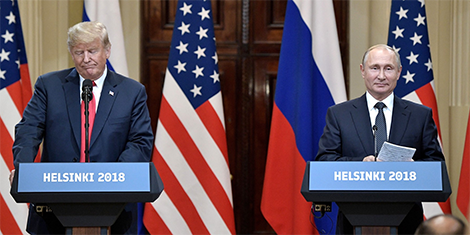
Image courtesy of Kremlin.ru. (CC BY 4.0)

This article was originally published by the Lowy Institute on 17 September 2018.

Key Findings

  • There will be broad continuity in Russian foreign policy over the course of Vladimir Putin’s current presidential term. Any policy changes will be stylistic, not transformative.
  • The Kremlin is committed to asserting Russia as a global power, although it will be tactically flexible in pursuing this ambition.
  • Putin will present different faces to the West: sometimes accommodating, at other times assertive and even confrontational. But there will be no compromise on core principles.

How Assad Won the Syrian Civil War Before it Began

Image courtesy of watchsmart/Flickr. (CC BY 2.0)

This article was originally published by Political Violence @ a Glance on 5 September 2018.

In recent months, many observers of the still-smoldering civil war in Syria have concluded that Bashar al-Assad’s triumph, once unthinkable, now appears inevitable. How did the Syrian regime accomplish such a come-from-behind victory?

Most analysts emphasize how Assad benefited from extensive international support from Russia and Iran, as well as non-state militias like Hezbollah. They also credit Assad’s deft deployment of a divide-and-rule strategy, in which he sought modus vivendis with some opponents—ISIS and Kurdish rebel groups carving out autonomous spaces far from Damascus—while unleashing the full weight of his military strength on moderate Western-backed rebel factions. Yet the most important factor in Assad’s victory was neither his international support nor his wartime strategies; rather, Assad triumphed because Syria’s armed domestic opposition was hopelessly fragmented from the beginning to the closing stages of the conflict.

Can Europe Become a Nuclear Power?

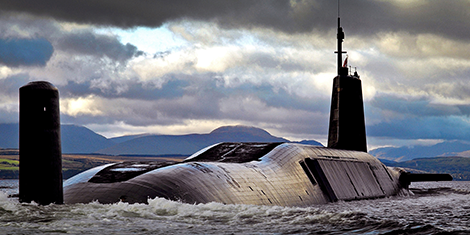
Image courtesy of British Ministry of Defence. OGL License.

The article was originally published by the European Council on Foreign Relations (ECFR) on 3 September 2018.

Only if Europeans resume a serious debate about their responsibilities for their own security

“Do we need the bomb?” asked the front page of Welt am Sonntag, one of Germany’s biggest newspapers, last month. In an essay in the paper, political scientist Christian Hacke answered “yes”, arguing that, “for the first time since 1949, the Federal Republic of Germany is no longer under the United States’ nuclear umbrella.”