Categories
Uncategorized

روسيا تقوم بمناورات عسكرية تُقلق جورجيا

قامت روسيا بعدة مناورات عسكرية مع بعض حلفائها في يونيو/حزيران ويوليو/تموز. على أن تكون هناك مزيد من المناورات في شهري أغسطس/آب وسبتمبر/أيلول. بالطبع لا يوجد بين تلك المناورات شيء بشكل موسع كتلك التي تداولتها وكالة الأخبار الإيرانية يوم 19 من يونيو/حزيران، 2012 في تفكير يدل على رغبة ما. لكن لن تكون هناك أية مناورات يشترك فيها 90,000 عسكري تقام في سوريا بواسطة روسيا، الصين وإيران. [جميع الروابط بالروسية ما لم يُذكر غير ذلك]

مع ذلك، تعد المناورات مكثفة وبشكل كبير في وسط آسيا. في يونيو/حزيران كانت هناك مهمة السلام 2012 [بالروسية – بالعربية]، تمت بواسطة خمسة من دول منظمة شانجهاي للتعاون (روسيا، الصين، كازخستان، كرجيزستان، وطاجيكستان) في طاجيكستان. شارك 2000 عسكري في تلك المناورات التي اتخذت طابع محاربة الإرهاب، حيث شاركت روسيا ب350 عسكري.

في يوليو/تموز قامت روسيا بمناورات ألداسبان-2012، هذه المرة المناورة ثنائية مع كازخستان. بعد ذلك، في بداية شهر أغسطس/آب كانت هناك مناورات فرونتير-2012 بالتعاون مع أعضاء منظمة معاهدة الأمن الجماعي [بالعربية]. [انسحبت أوزبكستان [بالعربية]، إحدى أعضاء منظمة معاهدة الأمن الجماعي من المنظمة يوم 28 من يونيو/حزيران. وقد رفضت السماح لقوات كازخستان الانتقال إلى طاجكستان من أجل مناورات مهمة السلام 2012 مباشرة قبل خروجها من المنظمة.]
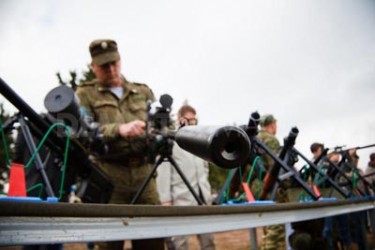
تدريبات القوات المسلحة الروسية 2012. الصورة بواسطة جورج مالتس. حقوق الملكية محفوظة لديموتكس (08/26/2010)

حتى الآن المناورات الوحيدة التي لم تتم في وسط آسيا كانت زمالة سلافي-2012، المناورات العسكرية الأولى التي تُجرى بين روسيا، بيلاروسيا، وأوكرانيا منذ فترة طويلة. كانت في يوليو/تموز ولم تتم ملاحظتها نسبيا. بشكل عام، لم تُولد أي من تلك التدريبات والمناورات كثير من الضجة على رو نت أو فضاء الإنترنت الروسي، وبعض المناورات ستأتي قريبا مثل – سلنجا-2012 مع منغوليا أو التعاون-2012 مع منظمة معاهدة الأمن الجماعي، والمناورتين مخطط لهما في سبتمبر/أيار – ويستبعد أن تكون هناك أخبار تتصدر الصحف أو أن تشكل ضجة.

لكن قد لا يكون هذا هو الحال مع المناورات المخطط أن تتم في سبتمبر/أيلول القادم القوقاز-2012، حيث تخطط روسيا أن تكون مع قوات من مقاطعة أبخازيا المستقلة عن جورجيا ومع أوسيتيا الجنوبية. تجرى مناورة القوقاز-2012 في منطقة شمال القوقاز، وتتضمن 8,000 عسكري، وآليات ثقيلة، مدفعية، سلاح البحرية، والقوات الجوية. مما يجعلها أكبر مناورات روسية هذا العام.

يعتبر اسم القوقاز-2012 هو الأشهر دوليا، وذلك لعدم معرفة كثير من الدول بأبخازيا وجنوب أوسيتيا. وقد سارع الجيش الروسي بالطمأنة من أنه لن يستخدم القواعد على الحدود الجنوبية في تلك المناورات، على الرغم من مشاركة بعض القوات من تلك القواعد في المناورات في المقاطعات الروسية. مع ذلك، يعتبر هذا الأمر مطمئن إلى حد ما إلى جورجيا، التي تشعر بالقلق من تكرار سيناريو أغسطس/آب 2008. حيث وقتها، قامت روسيا بمناورات في القوقاز أيام قليلة قبل الغزو.

لاحظ بعض المدونين من جورجيا مثل المدون المشهور المتحدث بالروسية سيكسيمو، أن الحشد الذي تعمل عليه روسيا في المنطقة يأتي مباشرة قبل الانتخابات البرلمانية في جورجيا في الأول من أكتوبر/تشرين الأول. تؤمن المدونة ذات الأصل الجورجي، زابوجينا، أن هدف الجيش الروسي هو زعزعة الاستقرار في المنطقة وفرض سيطرتها على الانتخابات. تعتقد أن روسيا لن تقوم بغزو مرة أخرى، حتى تبذل جهدها للتأثير والتلاعب حتى تؤثر في الرأي العام في جورجيا للتصويت لصالح الأحزاب الصديقة لروسيا. مع ذلك، يعتقد الصحفي الروسي والمدون بودرابينك، أن بوتين قد يشن حرب حدودية صغيرة من أجل أن تعزيز شعبيته.

مع ذلك، لا تولد جميع مناورات الجيش الروسي مثل هذا الاهتمام الذي تلاقيه مناورات القوقاز 2012. حالياً، تشترك الهند مع روسيا في مناورات إندرا-2012 في جمهورية بورياتيا التي تخضع لروسيا، على الحدود المنغولية. يحكي مدون روسي قصة هزلية عن كيفية تعامل الناس في حافلة عندما أعلن المذيع في المذياع بالخطأ 500,000، بدلا من 500، وهو رقم القوات الهندية المشاركة في المناورات:

На этом месте в салоне автобуса наступает покусывающая за пятки тишина. Гробовая.

عند هذه النقطة سكتت الحافلة كلها – وكأن على رؤوسهم الطير. سكوت يثير القشعريرة بالمعدة. سكوت مميت.
Categories
Global Voices

Russia’s War Games Make Georgia Nervous

Russian Military Exercise 2010. Photo by George Malets. Copyright Demotix (08/26/2010)

In June and July Russia held several military exercises with its regional partners. There are more to come in August and September. Of course, none of the planned events are quite as extensive as the one that an Iranian news agency falsely reported on June 19th, in a bit of wishful thinking. There won’t be joint war games involving 90,000 troops held in Syria by Russia, China and Iran.

Even then, the exercises are numerous and heavily concentrated in Central Asia. In June there was Peaceful Mission-2012 [ru], held by five Shanghai Group countries (Russia, China, Kazakhstan, Kyrgyzstan, and Tajikistan) in Tajikistan. There were 2000 troops involved in the antiterrorist themed war game, of which Russia contributed 350.

Kyrgyz Secret Police to Monitor Web

Bits, bytes, and cyberspace
How secure is the Kyrgyz cyberspace? Photo: University of Maryland Press Releases/flickr.

Observers have questioned the need for Kyrgyzstan’s security service to monitor websites to identify hate speech.

The State Committee for National Security, or GKNB, is setting up a system to monitor the internet, with a particular focus on news sites with the .kg domain name, and plans to launch it in early autumn.

Using a web search engine that looks for certain words or phrases, the agency will seek to identify content liable to incite hatred on grounds of ethnicity, religion and even regional origin, in the wake of the ethnic violence that rocked southern Kyrgyzstan in 2010.

Occupy the Hood: Leveraging Occupy in Minority Communities

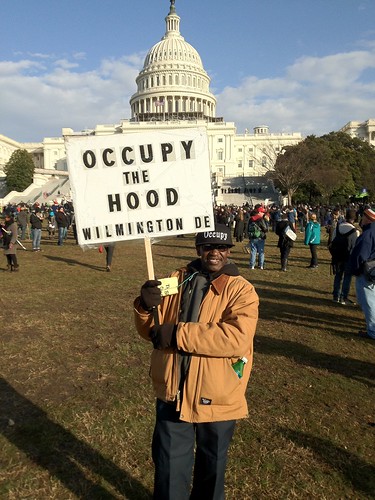
Occupy The Hood
Occupy The Hood. Photo: democapitol/flickr.

In the first days of Occupy Wall Street’s Zuccotti Park phase, the protest was overwhelmingly homogenous. The movement was originally so dominated by white men that women in the group felt the need to form their own meetings—Fem GAs—in order to create a safe environment and open space for their concerns. Minority activists in New York City shared the concerns that the Occupy protests were ignoring crucial differences in the experiences of their audience, choosing instead to label all with an overwhelmingly white interpretation of “the 99 Percent.” African American and Latino activists were particularly worried about that organizing around the right to overtake a public space for long periods of time would detract from more sober public discussions of urban poverty and the effects of deepening austerity, while rhetoric surrounding police brutality towards protestors would distract from the daily trials minorities face in interactions with the police.

Under the Radar: the Crisis in Madagascar

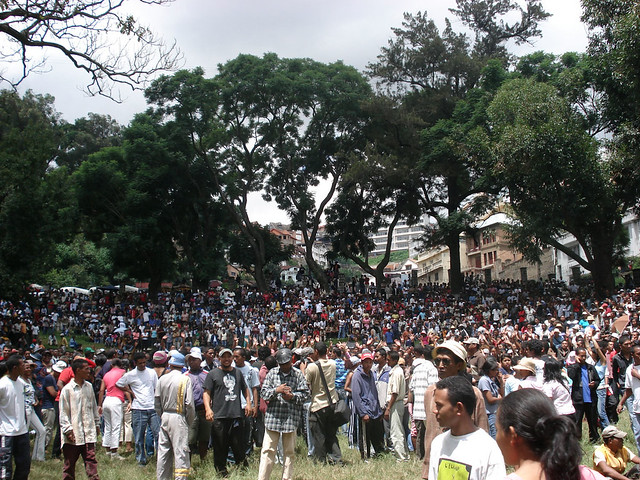
Rally against Andry Rajoelina's installation
Rally against Andry Rajoelina’s installation. Photo: r1_lita/flickr.

Isolated for around 80 million years, the island of Madagascar is home to hundreds of animals and plants that exist nowhere else in the world. A biodiversity hotspot of exotic fauna and flora, the Indian Ocean island is often likened to paradise. Yet Madagascar continues to be rocked severe economic and political crises – problems that remain largely unnoticed by Western audiences.

Ever since the 2009 ouster of its democratically elected president Marc Ravalomanana, Madagascar has been paralyzed by a political stalemate that has brought the already impoverished island of 20 million people to the brink of economic collapse. Although progress made in recent reconciliation talks has led to Western donors to gradually resume development aid, the road back to democracy promises to be a rocky one.

The political upheavals began after dissident army officers took power in what was regarded by the international community as a coup d’état. Officially, President Ravalomanana stepped down following violent street protests led by opposition leader Andry Rajoelina – a self-made dairy tycoon – and handed power to the military which in turn transferred its authority to Rajoelina. This prompted Rajoelina to declare himself as president of the “High Transitional Authority” (HAT) and consolidate a tight grip on the country’s politics. Ravalomanana, by contrast, fled into self-imposed exile in South Africa and was prevented twice from returning to Madagascar where he was sentenced in absentia to life imprisonment for allegedly ordering the killing of protestors.