Conflict Is Still Africa’s Biggest Challenge in 2020

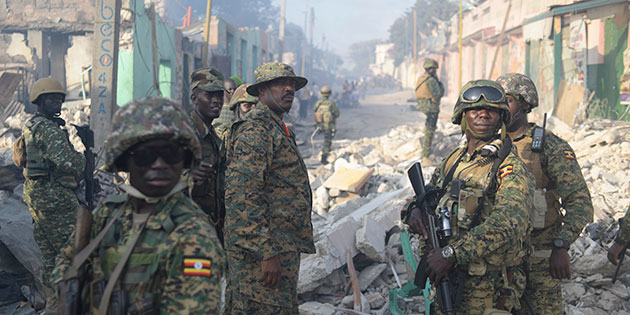
Image courtesy AMISOM Public Information/Tobin Jones

This article was originally published by the Institute for Security Studies (ISS) on 6 January 2020.

Can African leaders repeat the show of unity achieved on continental free trade to silence the guns?

For the African Union, 2020 is supposed to be a landmark year. Its ‘silencing the guns’ initiative is aimed at ‘ending all wars, civil conflicts, gender-based violence, violent conflicts and preventing genocide in the continent by 2020.’ While no one can argue with that laudable goal, the continental body and its member states will have to work miracles to achieve it by the end of this year – especially when the trend seems to be heading in the other direction.
The Ethical Upside to Artificial Intelligence

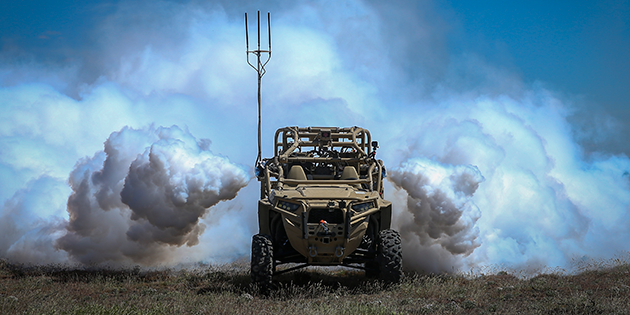
Image courtesy of DVIDS/Nathaniel Hamilton

This article was originally published by War on the Rocks on 20 January 2020. 

According to some, artificial intelligence (AI) is the new electricity. Like electricity, AI will transform every major industry and open new opportunities that were never possible. However, unlike electricity, the ethics surrounding the development and use of AI remain controversial, which is a significant element constraining AI’s full potential.

Categories
CSS Blog

The Relationship between Switzerland and the USA

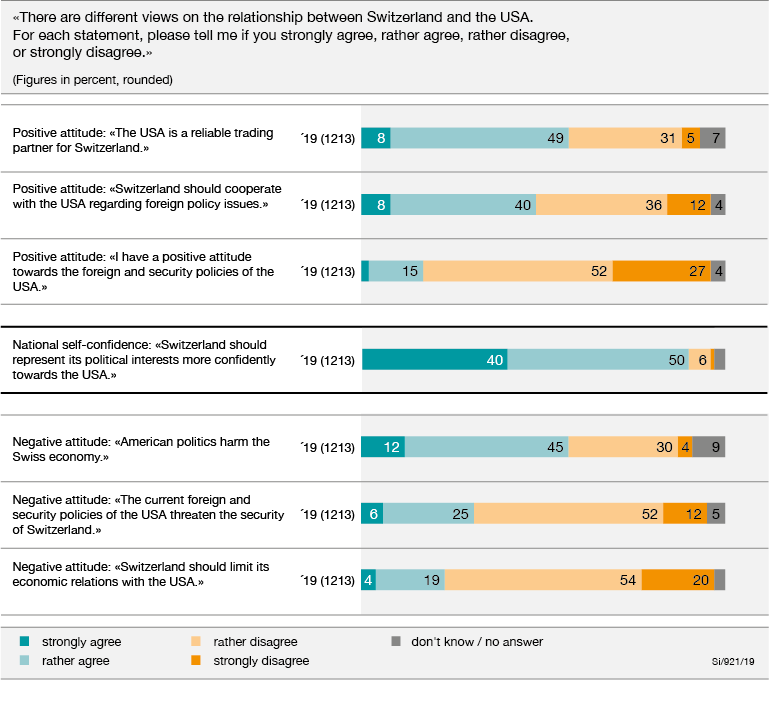
Assessment of the relationship between the USA & Switzerland – ‘Sicherheit 2019’

This graphic provides an overview of Swiss respondent’s opinions to a survey on security, foreign policy and economic issues regarding relations between Switzerland and the US. To find out more, read the ‘Sicherheit 2019’ here. The ‘Sicherheit’ study is an annual survey conducted by the Center for Security Studies and the Military Academy at ETH Zurich. Since 1999, it has evaluated long-term trends and tendencies in public opinion on foreign, security and defense policy issues in Switzerland.

Alliance Capabilities at 70: Achieving Agility for an Uncertain Future

Image courtesy of NATO/Flickr. (CC BY-NC-ND 2.0)

This article was originally published by the NATO Defense College (NDC) in January 2020.

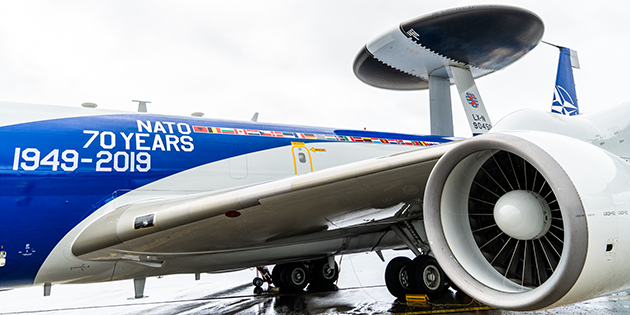
The credibility of any alliance depends on its ability to deliver deterrence and defence for the safety and security of its members. Without capability, any alliance is deprived of credibility and exists only on paper. Despite a rocky history – up to and including the current debate on burden-sharing – capability lies at the heart of NATO’s success. There is good cause to draw optimism from the Alliance’s accomplishments throughout its 70 years in providing a framework for developing effective and interoperable capabilities.

Europe Needs to Make Some Hard Choices in 2020

Image courtesy of Sara Kurfeß/Unsplash

This article was originally published in the ASPI’s The Strategist on 21 January 2020.

For the first time since 1957, Europe finds itself in a situation where three major powers—the United States, China and Russia—have an interest in weakening it. They may squeeze the European Union in very different ways, but they share an essential hostility to its governance model.

The European model, after all, is based on the principle of shared sovereignty among states in crucial areas such as market standards and trade. That liberal idea is antithetical to the American, Chinese and Russian view of sovereignty, which places the prerogative of states above global rules and norms of behaviour. Shared sovereignty is possible only among liberal states; unalloyed sovereignty is the preserve of populists and authoritarians.