
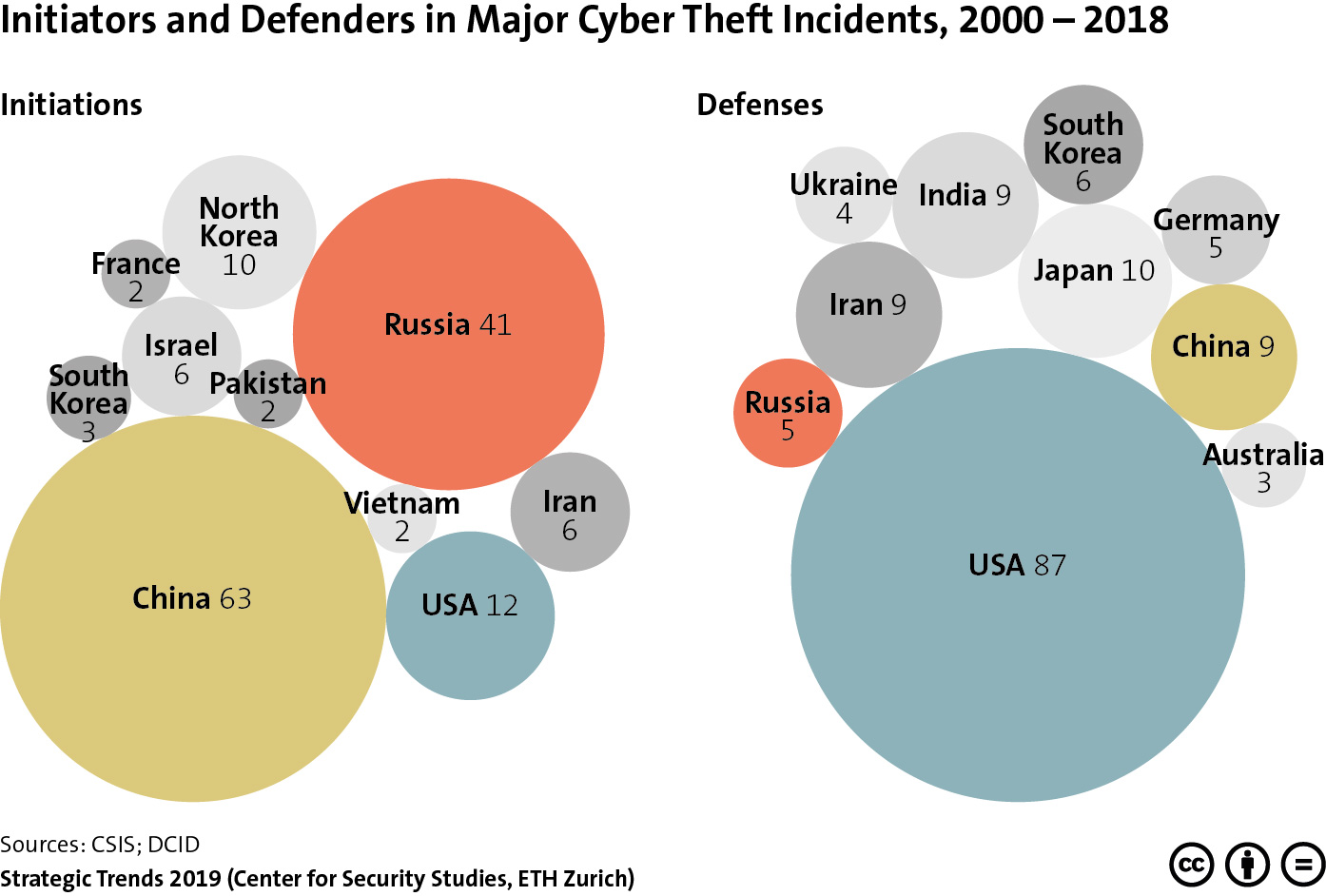
 This graphic provides an overview of the nations in which major cyber theft incidents were initiated, as well as the countries affected by these attacks between 2000 and 2018. To find out what this highlights about the eclipse of Western military-technological superiority, read Michael Haas’ chapter for Strategic Trends 2019 here. Strategic Trends 2020 is out on 30 April.
Category: CSS Blog
The CSS Blog features the analyses of CSS experts, entries in the CSS Mediation Perspectives series and graphics produced by the CSS, which cover a range of international relations and security-related issues.
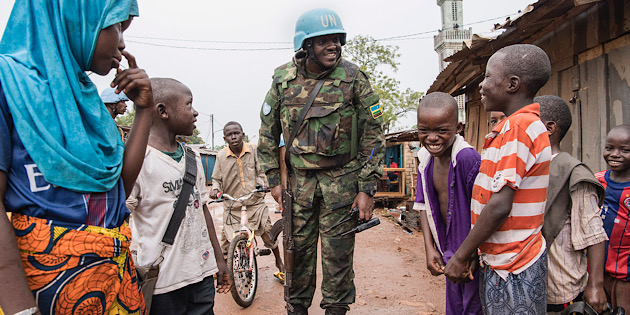 Image courtesy of United Nations Photo/Flickr. (CC BY-NC-ND 2.0)
This article was originally published by Political Violence at a Glance on 13 April 2020.
Imagine this: You are a farmer in northwest Central African Republic. In 2013, several of your family members and friends were killed by the ex-Séléka, a predominately Muslim rebel group that briefly took control of a large part of the country. Your wife survived, but was violently raped by some ex-Séléka fighters. A loosely organized network of Christian militias, generally referred to as the anti-Balaka, managed to defeat the ex-Séléka. Subsequent retaliatory attacks by the anti-Balaka, and communal clashes between the Christian and Muslim populations, forced almost the entire Muslim population to flee from the area where you live.
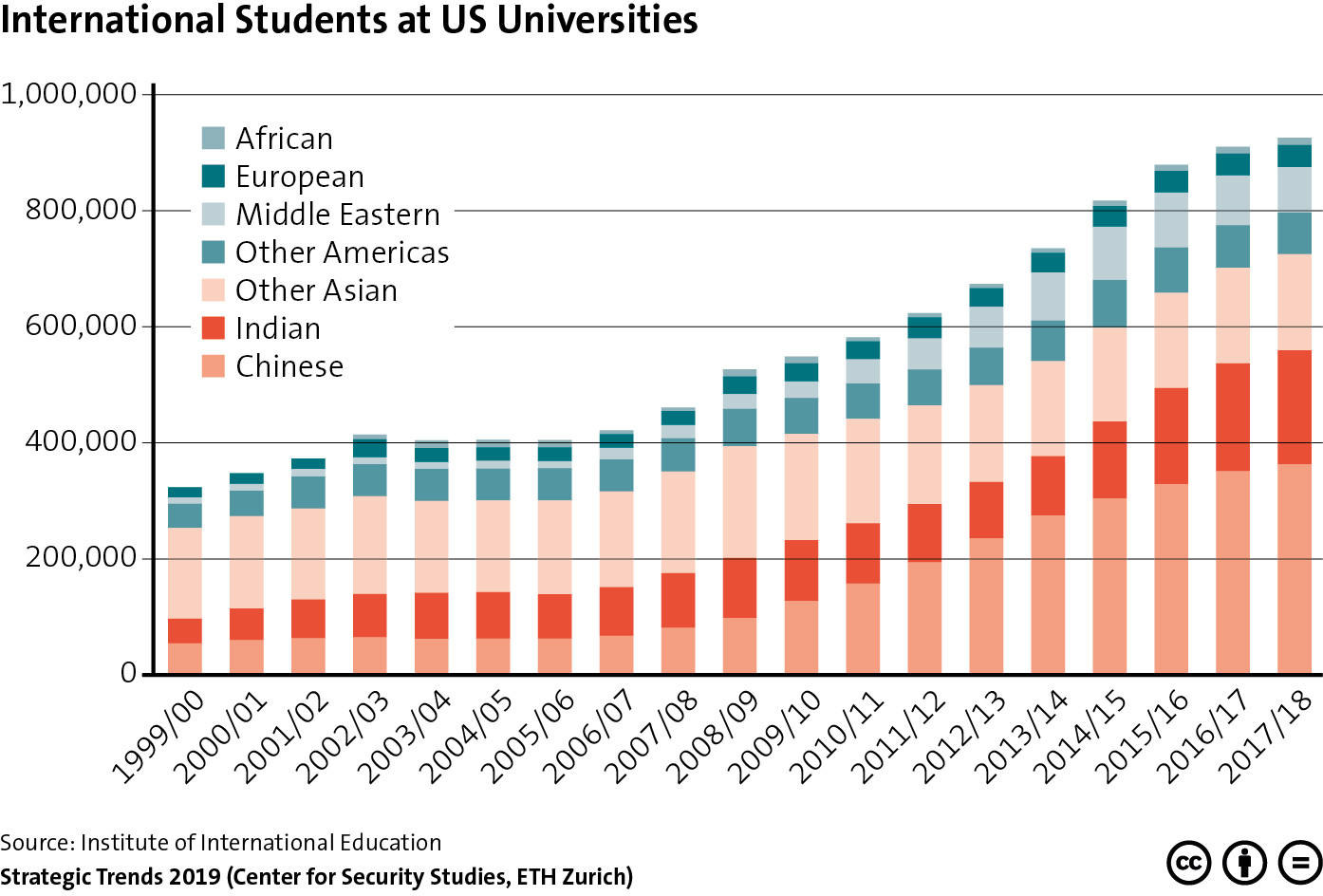
This graphic outlines the rising number of international students enrolled at US universities since 1999. To find out what this trend could mean for the transfer of specialized knowledge from Western countries to emerging nations – particularly regarding the West’s military-technological superiority – see Michael Haas’ chapter in Strategic Trends 2019 here.

Image courtesy of François Genon/Unsplash
This blog belongs to the CSS’ coronavirus blog series, which forms a part of the center’s analysis of the security policy implications of the coronavirus crisis. See the CSS special theme page on the coronavirus for more.
The criticality of medical goods and volatility of European economies resulting from the corona crisis increase the risk of opportunistic acquisitions of strategic assets and technology via foreign direct investments (FDI). The EU Commission and Member States are stepping up the protection of European economies to contain the fallout of the crisis.
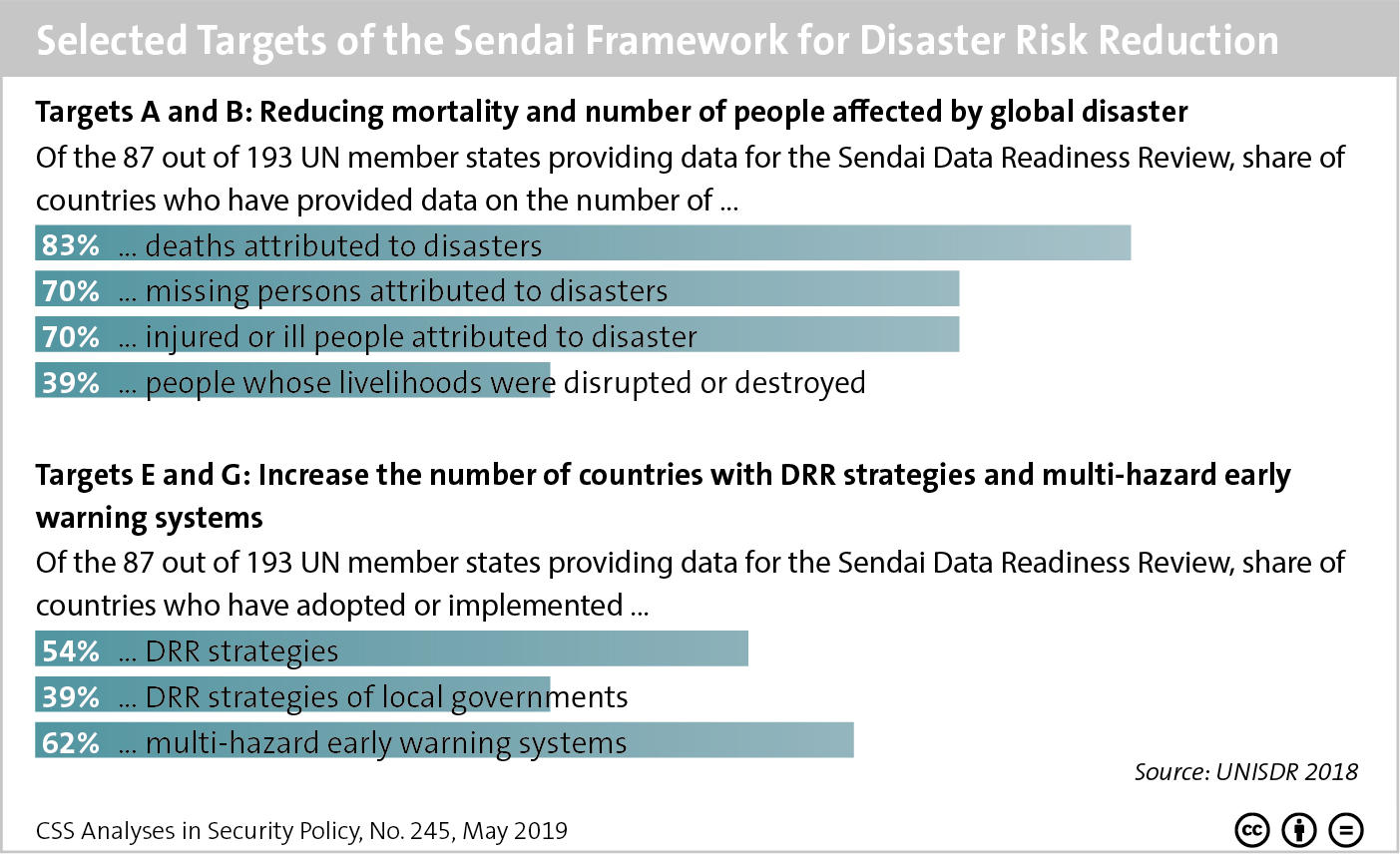
This graphic outlines data related to four of the seven targets set out in the 2015 Sendai Framework for Disaster Risk Reduction (SFDRR), which seeks to highlight the interdependencies between sustainable development, human development and disaster risk reduction (DRR). To find out about global disaster risk reduction efforts and more, see Tim Prior and Florian Roth’s CSS Analyses in Security Policy, ‘Resilience to Disaster Is No Small Measure’.