
Increasing International Cooperation in Cybersecurity and Adapting Cyber Norms

Image courtesy of Colin/Wikimedia Commons. (CC BY-SA 4.0)

This article was originally published by the Council on Foreign Relations (CFR) on 23 February 2018.

Without increased cooperation, the global digital economy is vulnerable to catastrophic cyberattack.

The Challenge

Information and communications technology (ICT) presents one of the most critical modern challenges to global security. Threat assessments predict that the next major international crisis could be due to a state or terrorist group weaponizing ICTs to devastate critical infrastructure or military logistics networks. The proliferation of asymmetric warfare (i.e., conflicts between nations or groups that have disparate military capabilities) has increased states’ use of ICTs, which necessitates the development of an international code of cyber conduct.

Categories
Terrorism

10 Takeaways from the Fight against the Islamic State

Image courtesy of DMA Army -Soldiers/Flickr. (CC BY-NC 2.0)

This article was originally published by War on the Rocks on 12 March 2018.

Nearly three years on from the Islamic State’s high water mark in the summer of 2015, there are several lessons that the United States and its allies can discern from the terrorist group’s meteoric rise to control large parts of Iraq and Syria to the loss of its physical caliphate late last year. The steady decline in ISIL’s fortunes is striking given the palpable fear its rise in the summer of 2014 sparked across Washington, when a common question circulating within the policy community was whether Baghdad itself might fall. Many of these takeaways will be relevant to U.S. policymakers as they attempt to prevent the group from reconstituting itself in the coming months.

Categories
CSS Blog

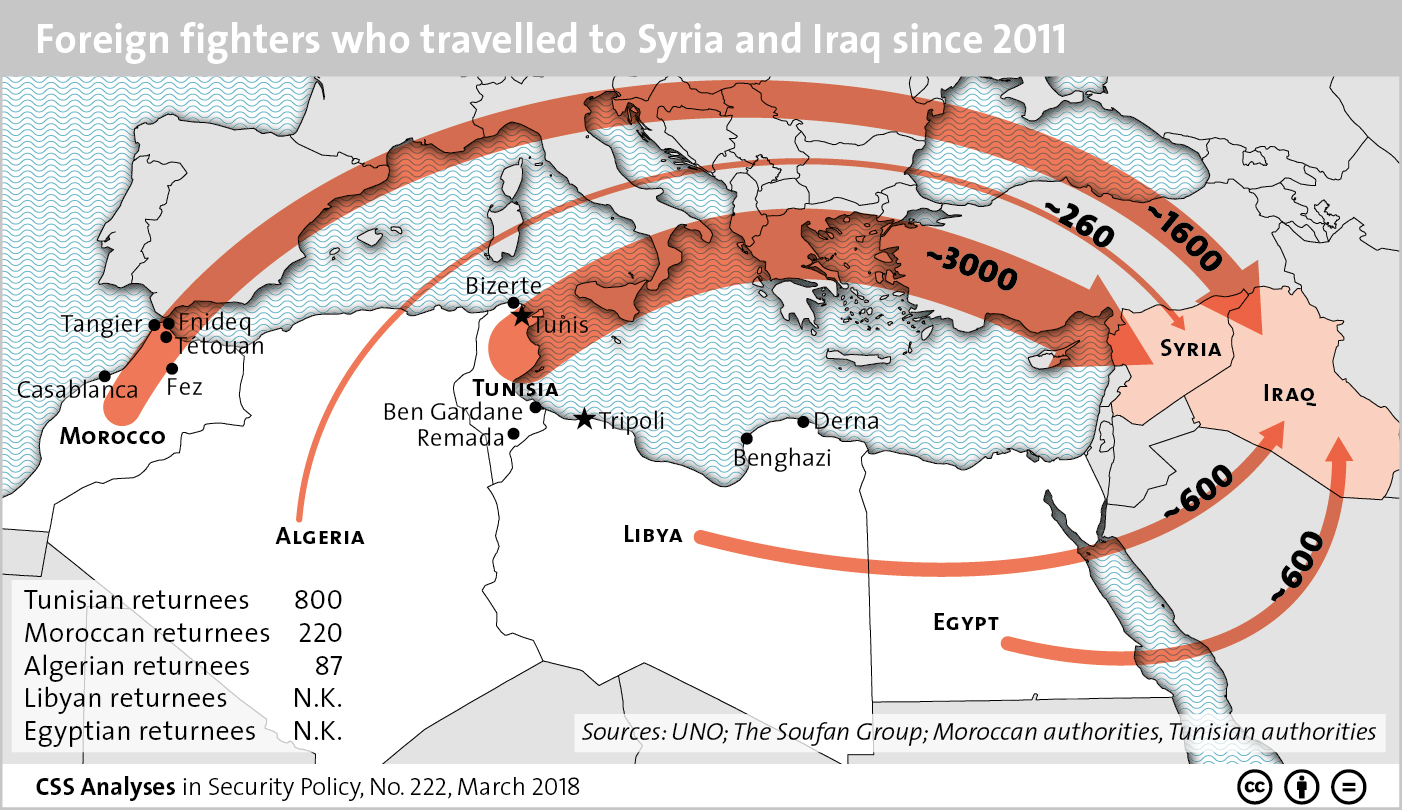
Foreign Fighters who Travelled to Syria and Iraq Since 2011

EmailFacebookTwitter

This graphic traces both the numbers of foreign fighters who traveled to Syria and Iraq from North African countries, as well as those who have returned to their country of origin or residence since 2011. To find out more about North Africa’s foreign fighters, see Lisa Watanabe’s recent addition to our CSS Analyses in Security Policy series here. For more graphics on peace and conflict, see the CSS’ collection of graphs and charts on the subject here.

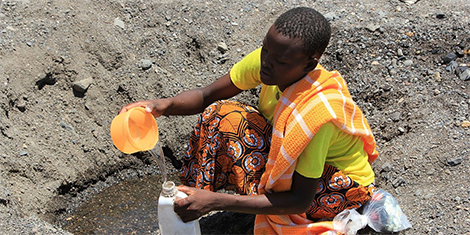
Climate Conflicts: Myth or Reality?

Image courtesy of Marisol Grandon/Department for International Development/Flickr. (CC BY 2.0)

This article was originally published by IPI Global Observatory on 5 March 2018.

The specter of water wars has long loomed large in political and popular imaginations. With the end of the Cold War, fresh concerns emerged that future wars would be fought not over ideology but over natural resources. The alliteratively appealing phrase of “water wars” began rolling off the tongue as United Nations leaders and politicians made bold claims about the inevitable carnage that resource scarcity would bring. Climate change heightens these concerns as the gap widens between what science tells us is necessary and what politics tells us is feasible.

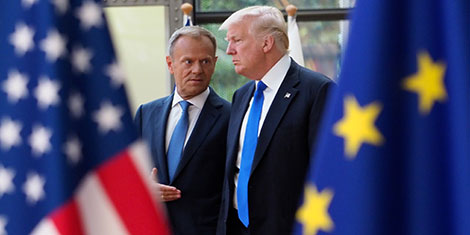
Too Close for Comfort: European Geostrategy and the Transatlantic Alliance

Image courtesy of the European Council President/Flickr. (CC BY-NC-ND 2.0)

The question for Europe now is whether it needs to de-couple its strategy toward regional great powers from that of the United States.

Geopolitical competition has made a roaring come back in recent years. Russian President Vladimir Putin, always on the cutting edge of new fads, welcomed the new era with flair last week by introducing an entire new generation of nuclear weapons aimed at the United States.