Whence Korean Denuclearization

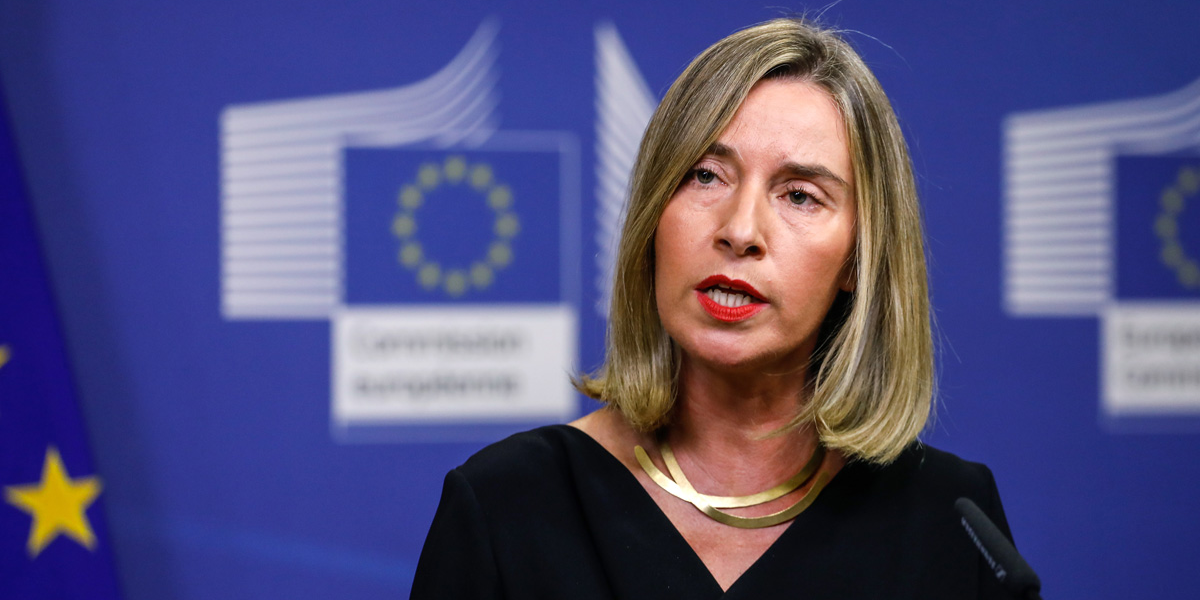
Image courtesy of US Department of State/Flickr.

This article was originally published by the Pacific Forum on 14 January 2019.

North Korea’s state-owned news agency ran a wire story with tremendous significance just before Christmas, making clear that unilateral denuclearization is not going to happen. As part of a detailed explanation of Pyongyang’s position, it said: “When we refer to the denuclearization of the Korean peninsula, it, therefore, means removing all elements of nuclear threats from the areas of both the north and the south of Korea and also from surrounding areas from where the Korean peninsula is targeted. This should be clearly understood.” The text also states that “the denuclearization of the Korean peninsula means ‘completely removing the nuclear threats of the U.S. to the DPRK.’”
A European Security Council: Added Value for EU Foreign and Security Policy?

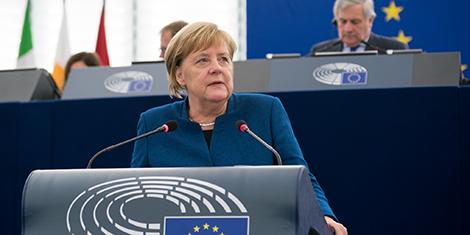
Image courtesy of European Parliament/Flickr. (CC BY-NC-ND 2.0)

This article was originally published by the German Institute for International and Security Affairs (SWP) on 2 January 2018.

A European Security Council (ESC) would – so the German government has suggested – make the European Union (EU) better prepared for making decisions about inter­national politics and thus better able to act. It believes that if the EU and its member states do not manage to take and implement coherent decisions more quickly, their ability to (further) enforce European rules and strengthen multilateral formats will be weakened. The EU-27’s diplomatic, financial and military resources should there­fore be supplemented by a format for more effective intergovernmental cooperation. However, this idea can only take shape if the German government can demonstrate the added value of such a body, and if it shows more willingness itself to shape for­eign policy within the EU framework.

Categories
CSS Blog

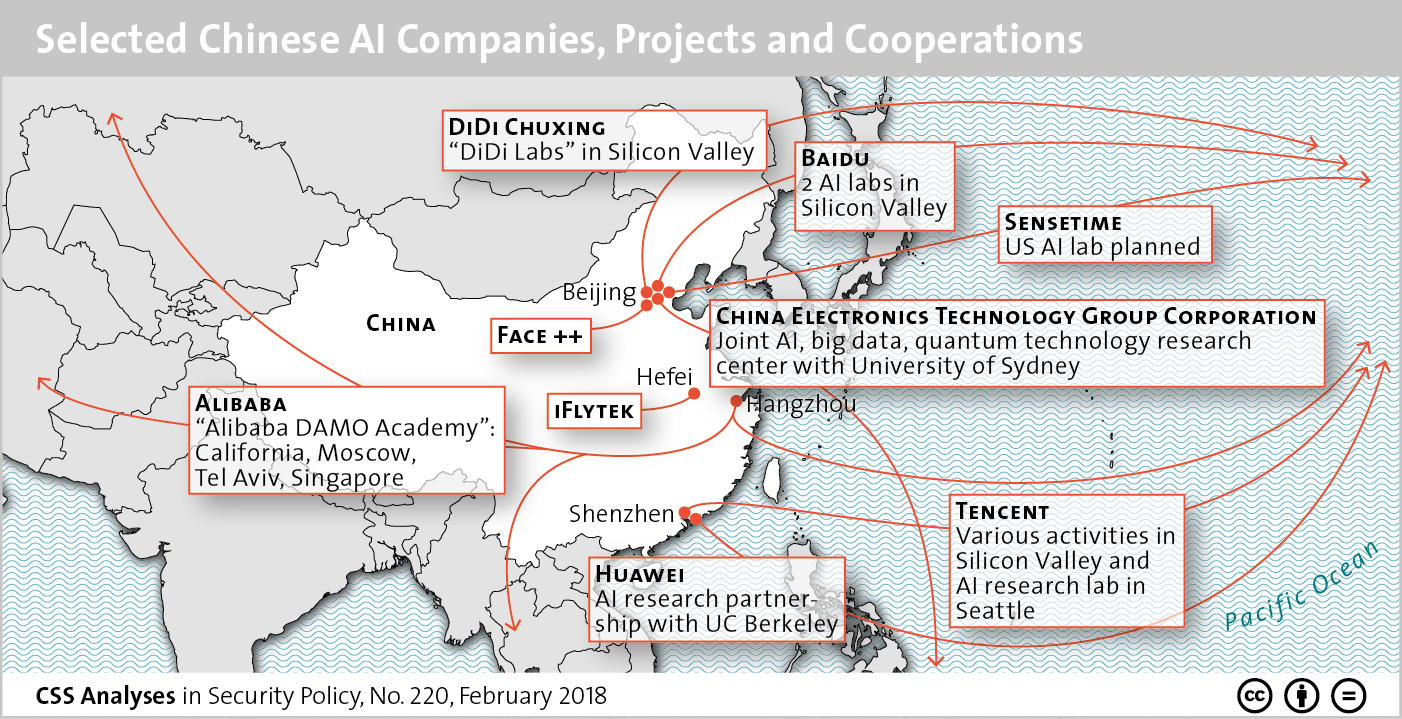
Selected Chinese AI Companies, Projects and Cooperations

EmailFacebookTwitter

This graphic maps out a selection of Chinese AI companies and provides an overview of their current projects and collaborative efforts. To find out more about China’s ambitions to become a world leader in artificial intelligence, see Sophie-Charlotte Fischer’s recent addition to our CSS Analyses in Security Policy series here. For more graphics on economics, see the CSS’ collection of graphs and charts on the subject here.

Top Ten Foreign Policy Trends in 2019

Image courtesy of European External Action Service/Flickr. (CC BY-NC 2.0)

This article was originally published by the European Council on Foreign Relations (ECFR) on 3 January 2019.

Top ten trends that will occupy European foreign policymakers in 2019

It’s a new year and thus a new opportunity to predict the big events and trends that will shake the world in 2019. We want to get this in early, so you have time to forget what we said by the end of the year.

However, lest you think that we have completely forgotten the recently deceased 2018, we have responded to the demands of the intellectual harpies our trusted ECFR colleagues and graded ourselves on last year’s predictions. With our usual combination of feigned humility and self-delusion, we eked out a score of 7.5 out of 10.

10 Conflicts to Watch in 2019

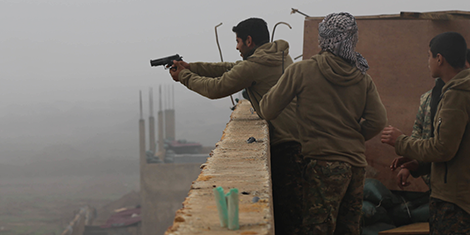
Image courtesy of DVIDS/Christian Simmons.

This article was published by the International Crisis Group on 28 December 2018.

As U.S. leadership of the international order fades, more countries are seeking to bolster their influence by meddling in foreign conflicts. In this new era of limit testing, Crisis Group’s President Robert Malley lists the Ten Conflicts to Watch in 2019.