Why China is Not about to Catch Up with US Military Technology Just Yet

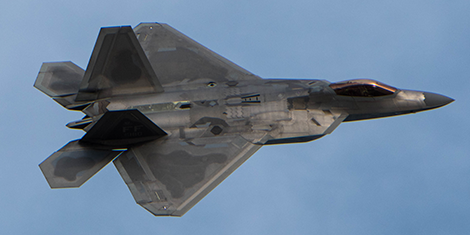
Image courtesy of DVIDS/Ericha Guyote.

This article was originally published by ETH News on 26 February 2019.

Is China about to catch up with the US, the world’s leading military and geopolitical power? Researchers at ETH’s Center for Security Studies and NATO’s Defense College say no. The growing complexity of military technology makes it difficult for modern weapon systems to be imitated.
Ending Terror in Kashmir

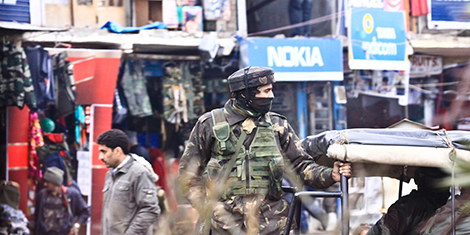
Image courtesy of Jesse Rapczak/Flickr. (CC BY-NC-ND 2.0)

This article was originally published by Political Violence @ a Glance on 22 February 2019.

Why—on February 14th— did a 20-year-old Kashmiri villager blow himself up, taking with him the lives of 46 Indian security personnel? What should the Indian government do in response to the deadliest attack on its forces in Kashmir since the insurgency began in 1988?

NATO’s Nuclear Deterrence: More Important, Yet More Contested

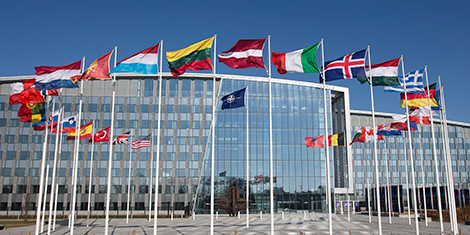
Image courtesy of NATO/Flickr. (CC BY-NC-ND 2.0)

This article was originally published by the NATO Defense College in February 2019.

A more competitive international environment, and in particular Russia’s assertive policies, have sparked renewed interest in the concept of nuclear deterrence as part of NATO’s approach to security. This has manifested itself in devoting greater attention to Russia’s nuclear policy and posture as well as to NATO’s own nuclear arrangements, and in a stronger emphasis on nuclear deterrence in public statements. However, this renaissance of nuclear deterrence takes place against the backdrop of new developments that seek to challenge the military rationale and moral legitimacy of that very concept. Put differently, just as nuclear deterrence is again becoming more important, it is also becoming more contested.

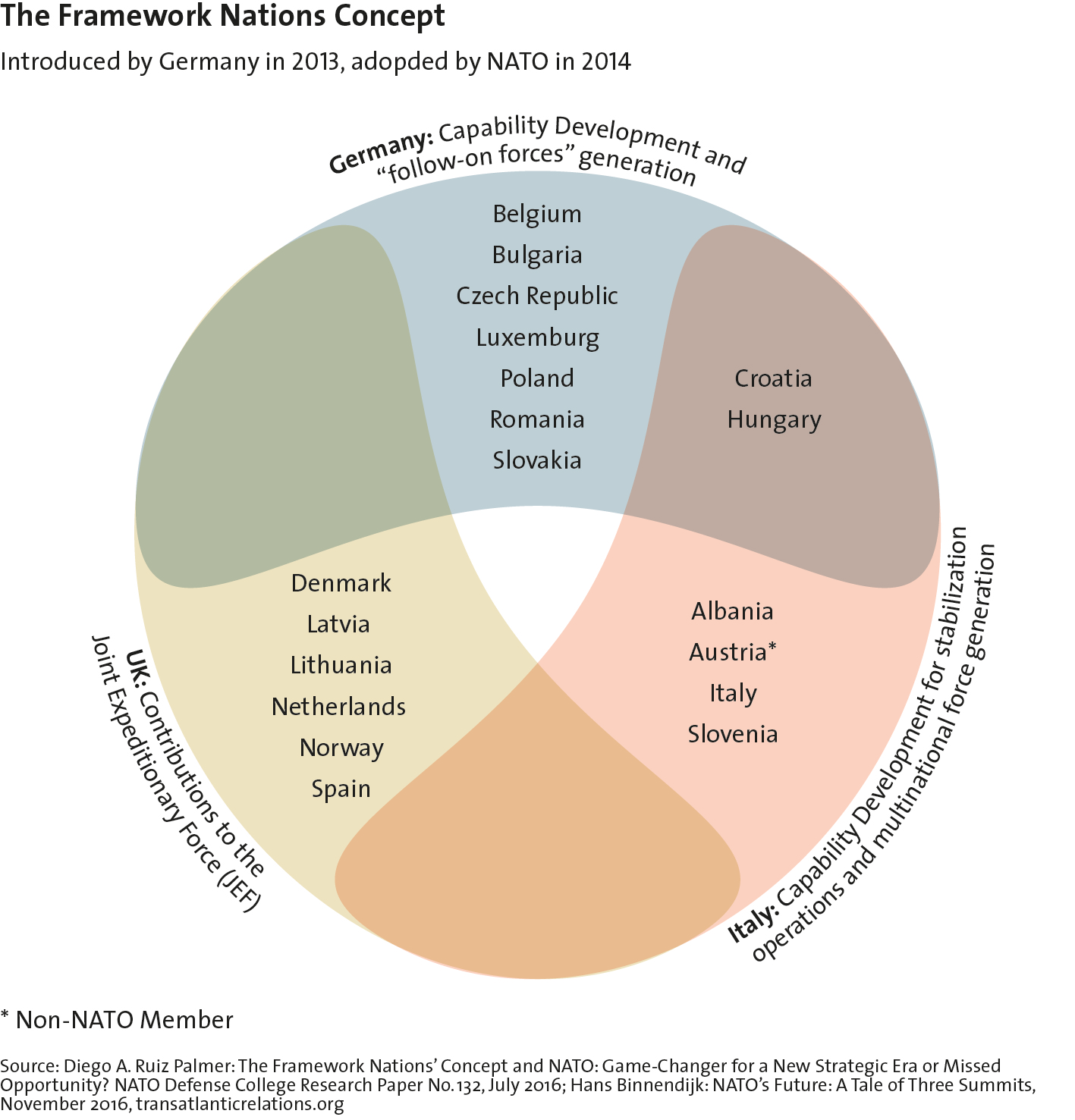
The Framework Nations Concept

EmailFacebookTwitter

This graphic features NATO’s Framework Nations Concept to highlight the trend of regionalization within NATO. For more on the internal challenges NATO faces, see Martin Zapfe’s chapter in Strategic Trends 2017 here. For more CSS charts and graphics, click here.

New Era of Nuclear Rearmament

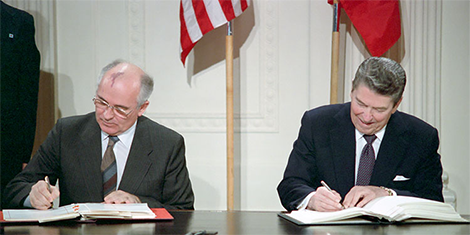
Image courtesy of the Ronald Reagan Presidential Library and Museum.

This article was originally published by YaleGlobal Online on 21 February 2019.

Thirty years ago, when the Berlin Wall was brought down marking the end of the Cold War, the threat of conflict between two nuclear-armed, ideologically opposed superpowers receded, and my generation, which had grown up in the shadow of the bomb, breathed a sigh of relief. Although the nuclear threat did not vanish then, it certainly became subdued as the process of disarmament and control seemed to move forward along a clear path of no return.