Often in development aid, misery and natural disasters determine where the money goes. The tsunami that devastated Banda Aceh in 2004 could be seen all over the news for many weeks. The recent Haitian earthquake is still very present in many minds and may touch our conscience in such a way that we gladly give our money to respective development agencies. As a consequence, these places are swarmed with NGOs, IOs and private initiatives creating and realizing projects.
Yet, isn’t that exactly the purpose of development aid? To help people in need? Yes, but meanwhile a disaster victim in Banda Aceh receives 5 tents, 7 pairs of shoes and tons of goods of development aid for years to come, children in the poorer regions of Africa, South America or elsewhere lack the public attention to attract comparable support.
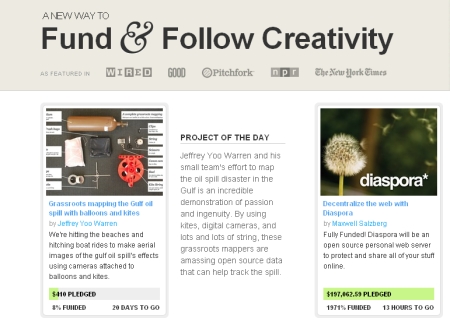
Relying heavily on organizations such as the UN Development Programme or US Aid, funding of projects in unknown and remote areas can be very difficult. It is a widespread practice that agencies, especially those which count on private financial contributions, use the “big disasters” to raise money and then redirect these funds to cross-finance smaller, less known projects in other regions. However, this practice is often prone to intransparency, fraud and improper management.