Categories
Cyber CSS Blog

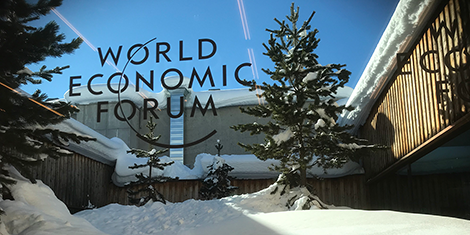
The CSS at the 2019 World Economic Forum

Image courtesy of Myriam Dunn Cavelty

The World Economic Forum’s (WEF) annual meeting brings together global leaders from governments, companies, science and international organizations as well as societal actors. Three members of the CSS attended this year’s WEF in Davos. While Myriam Dunn Cavelty and Matteo Bonfanti joined discussions on different aspects of cybersecurity, Sophie Fischer presented on the role of Artificial Intelligence (AI) in international politics.

Categories
CSS Blog

Countries that Experienced Armed Conflict with Religious Dimensions in 2016

Click to enlarge

EmailFacebookTwitter

This graphic maps out the various countries that experienced armed conflicts with religious dimensions in 2016. To find out more about the interlinkages of religion and conflict and how conflict resolution approaches should respond, see Jonas Baumann, Daniel Finnbogason, and Isak Svensson’s CSS Policy Perspective here. For more graphics on conflict resolution, see the CSS’ collection of graphs and charts on the subject here.

Categories
CSS Blog

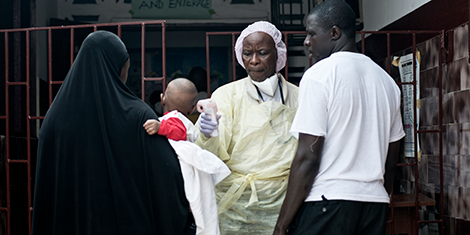
Communicating Effectively in Crises

Image courtesy of USAID/Flickr. (CC BY-NC 2.0)

This article was originally published in the ETH Zukunftsblog on 15 January 2019.

To combat epidemics, the local population must be more involved and respected, says Ursula Jasper. This is one of the lessons learned from the Ebola outbreak in West Africa in 2014.

Categories
CSS Blog

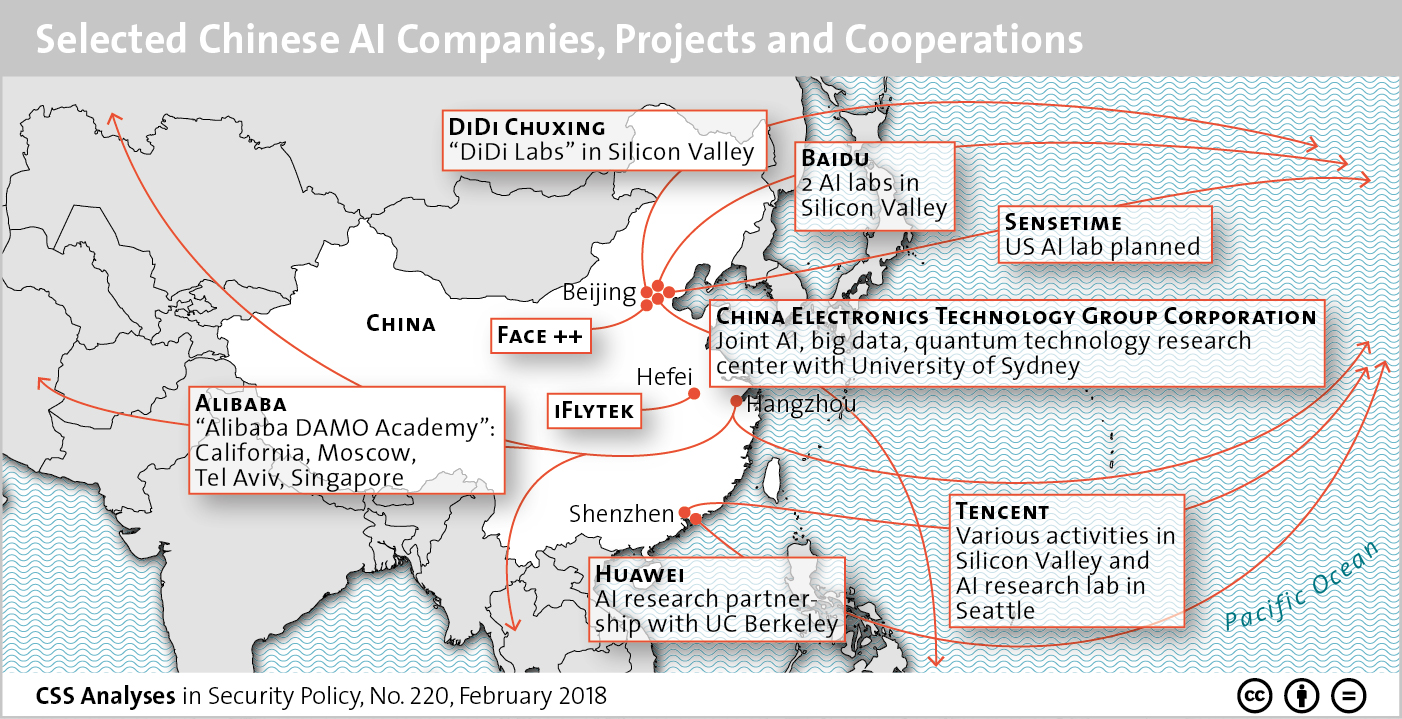
Selected Chinese AI Companies, Projects and Cooperations

EmailFacebookTwitter

This graphic maps out a selection of Chinese AI companies and provides an overview of their current projects and collaborative efforts. To find out more about China’s ambitions to become a world leader in artificial intelligence, see Sophie-Charlotte Fischer’s recent addition to our CSS Analyses in Security Policy series here. For more graphics on economics, see the CSS’ collection of graphs and charts on the subject here.

Categories
CSS Blog

From Vancouver to Vladivostok: The 57 OSCE Participating States

Click the image to enlarge

EmailFacebookTwitter

This graphic of the week maps the 57 OSCE participating states and the organization’s 11 partner countries. To find out more about the OSCE, see Christian Nünlist’s CSS Analyses “The OSCE and the Future of European Security” and “The OSCE’s Military Pillar: The Swiss FSC Chairmanship“. For more CSS charts, maps and graphics on defense policy, click here.