
Categories
Cyber CSS Blog

Contested Public Attributions of Cyber Incidents and the Role of Academia

Image courtesy of Saksham Gangwar/Unsplash

In a recent article in Contemporary Security Policy, Florian J. Egloff reflects on the contested nature of public attributions of cyber incidents and what role academia could take up.

In the last five years, public attribution of cyber incidents has gone from an incredibly rare event to a regular occurrence. Just in October 2018, the UK’s National Cyber Security Centre publicized its assessment of cyber activities conducted by the Russian military intelligence service (also known by its old acronym, the GRU). Clearly, publicizing activities that other political actors like to keep secret is a political act – but what kind of political act is it and what happens when a government publicly attributes?
Categories
CSS Blog Cyber

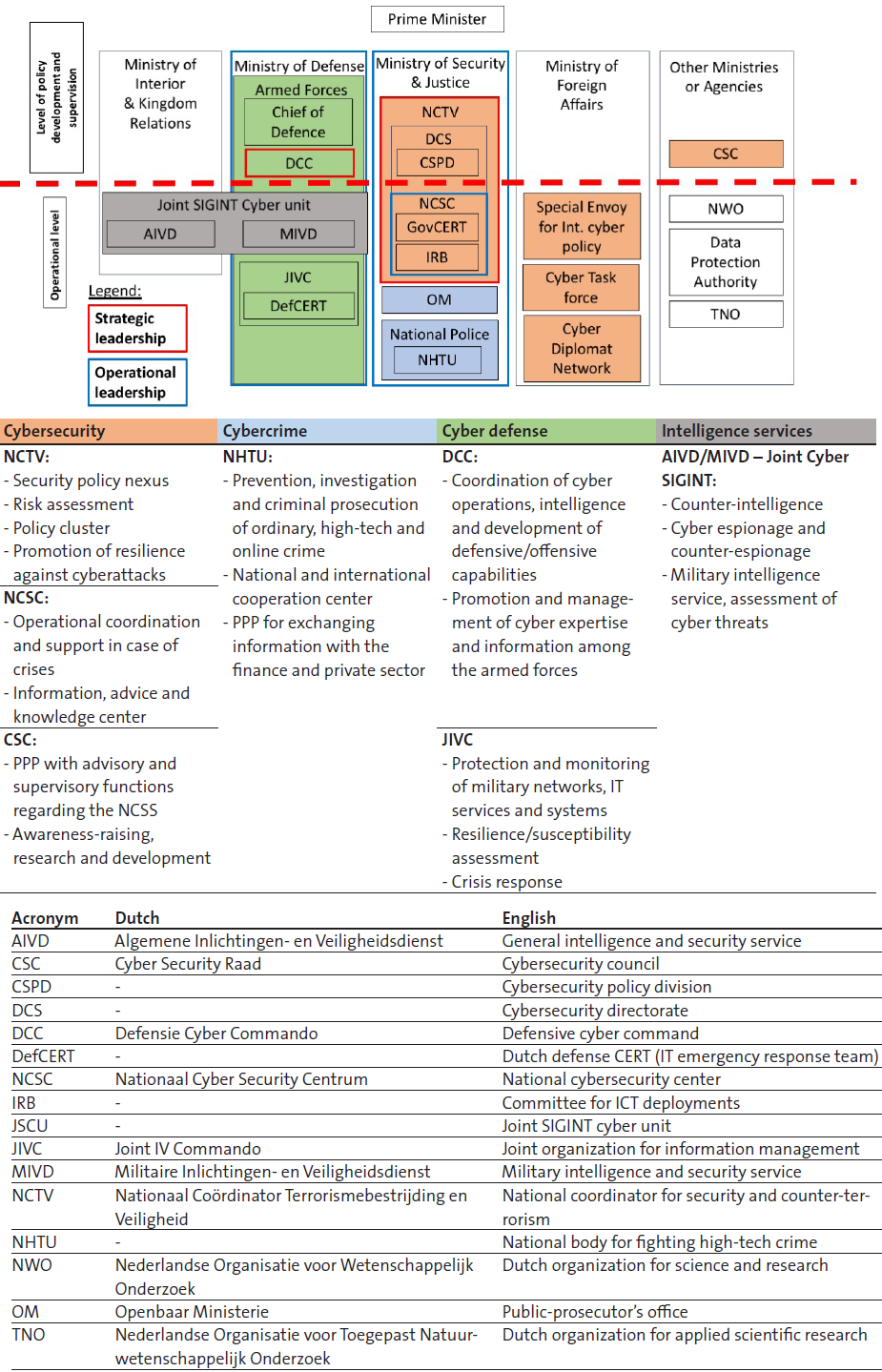
National Cybersecurity Organizations, Main Bodies and Responsibilities: Netherlands

EmailFacebookTwitter

This week’s featured graphics outline how cybersecurity responsibilities are shared among governmental organizations in the Netherlands. For more information on national cybersecurity strategies and cybersecurity challenges in Italy, as well as in Finland, France, Germany, Israel, Italy and Switzerland, read Marie Baezner and Sean Cordey’s CSS cyber defense report here.

Categories
CSS Blog

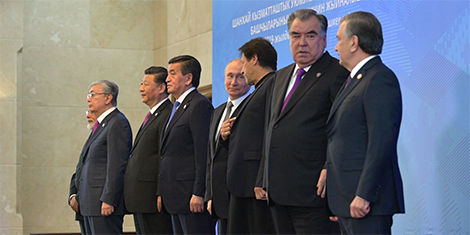
Central Asian States: Is Intra-Regional Integration Possible?

Image courtesy of the Kremlin.ru. (CC BY 4.0)

This article was originally published by the Italian Institute for International Political Studies (ISPI) on 3 October 2019.

For a long time, the five Central Asian republics have presented a puzzle to researchers and policymakers regarding regional cooperation. They have a range of historical, linguistic, religious and political aspects in common: they were all part of the same bloc, the Soviet Union; they have Russian as a lingua franca, while most national languages are part of the Turkic linguistic family and largely mutually intelligible; Sunni Islam is the region’s predominant religion; and they exhibit similar political systems. Furthermore, Central Asian states share the fate of being situated in a largely neglected, landlocked region surrounded by more populous, powerful neighbours, namely Russia and China.

Categories
Cyber CSS Blog

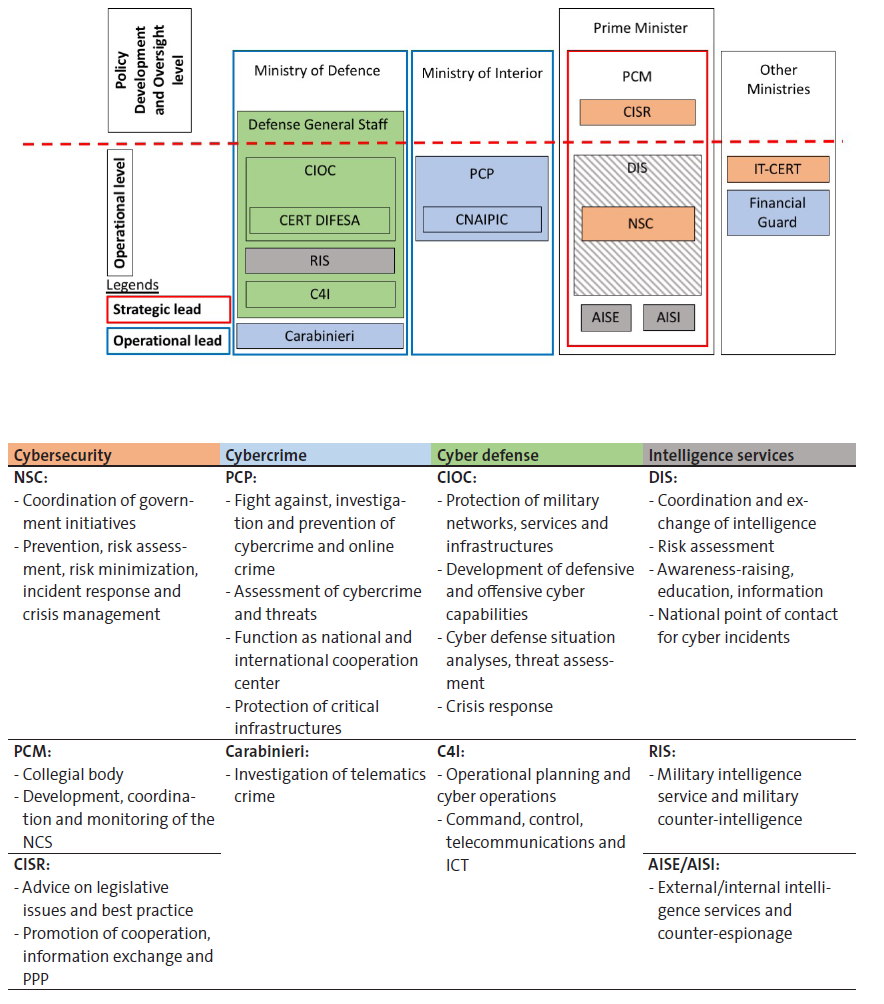
National Cybersecurity Organizations, Main Bodies and Responsibilities: Italy

Categories
Cyber CSS Blog

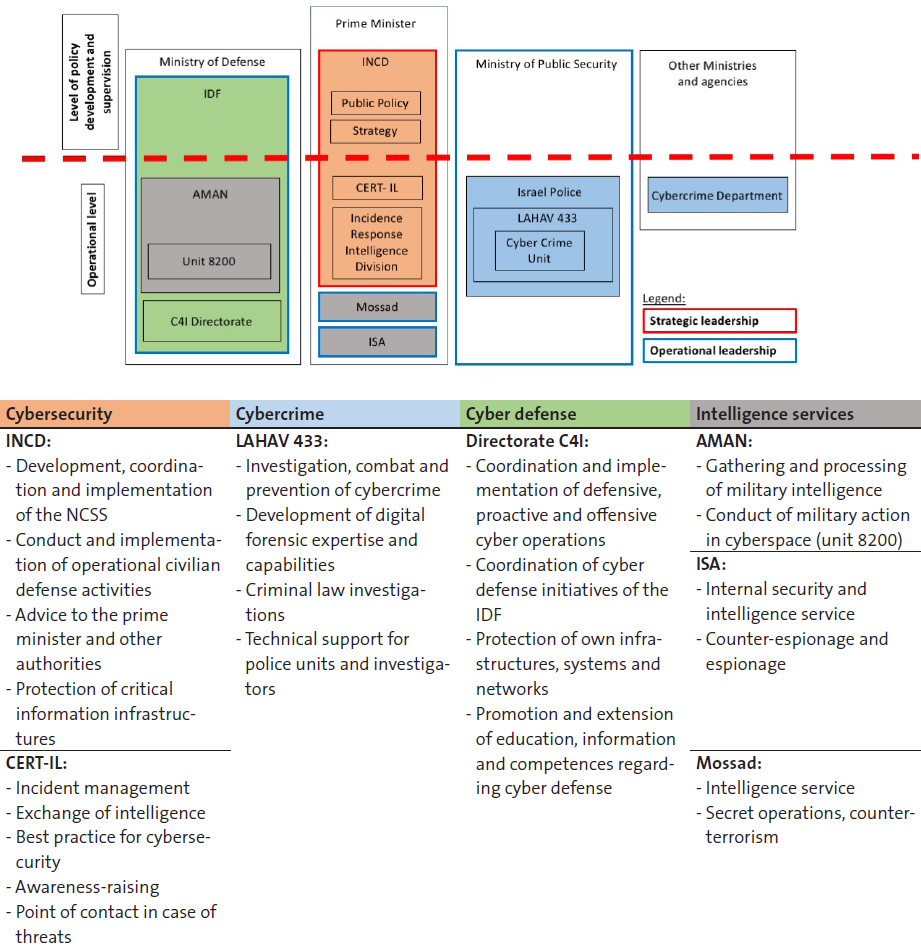
National Cybersecurity Organizations, Main Bodies and Responsibilities: Israel

EmailFacebookTwitter

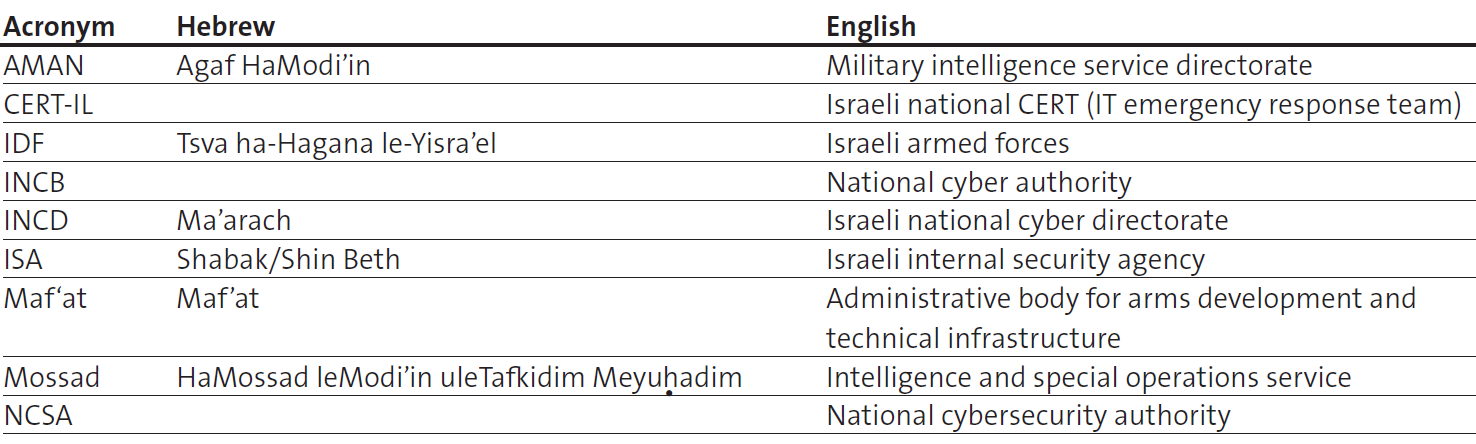
This week’s featured graphics outline how cybersecurity responsibilities are shared among governmental organizations in Israel. For more information on national cybersecurity strategies and cybersecurity challenges in Israel, as well as in Finland, France, Germany, Italy, the Netherlands and Switzerland, read Marie Baezner and Sean Cordey’s CSS cyber defense report here.