Categories
CSS Blog

Local Peace Processes and the Protection of Civilians

Image courtesy of UNAMID/Flickr. (CC BY-NC-ND 2.0)

This article was originally published by the IPI Global Ovservatory on 27 September 2019.

Resolving local conflicts between non-state armed groups, or between communities, is key to reducing violence against civilians. The United Nations is often involved in supporting local peace processes and seems to enhance the prospects for local conflict resolution. One major obstacle to a successful local peace process, however, is that local conflicts are often integrated into higher-level, national or transnational conflicts. A holistic approach to peacemaking is therefore necessary, which could allow peace to trickle down from the transnational or national level to the local, ultimately reducing violence against civilians.
Categories
Terrorism CSS Blog

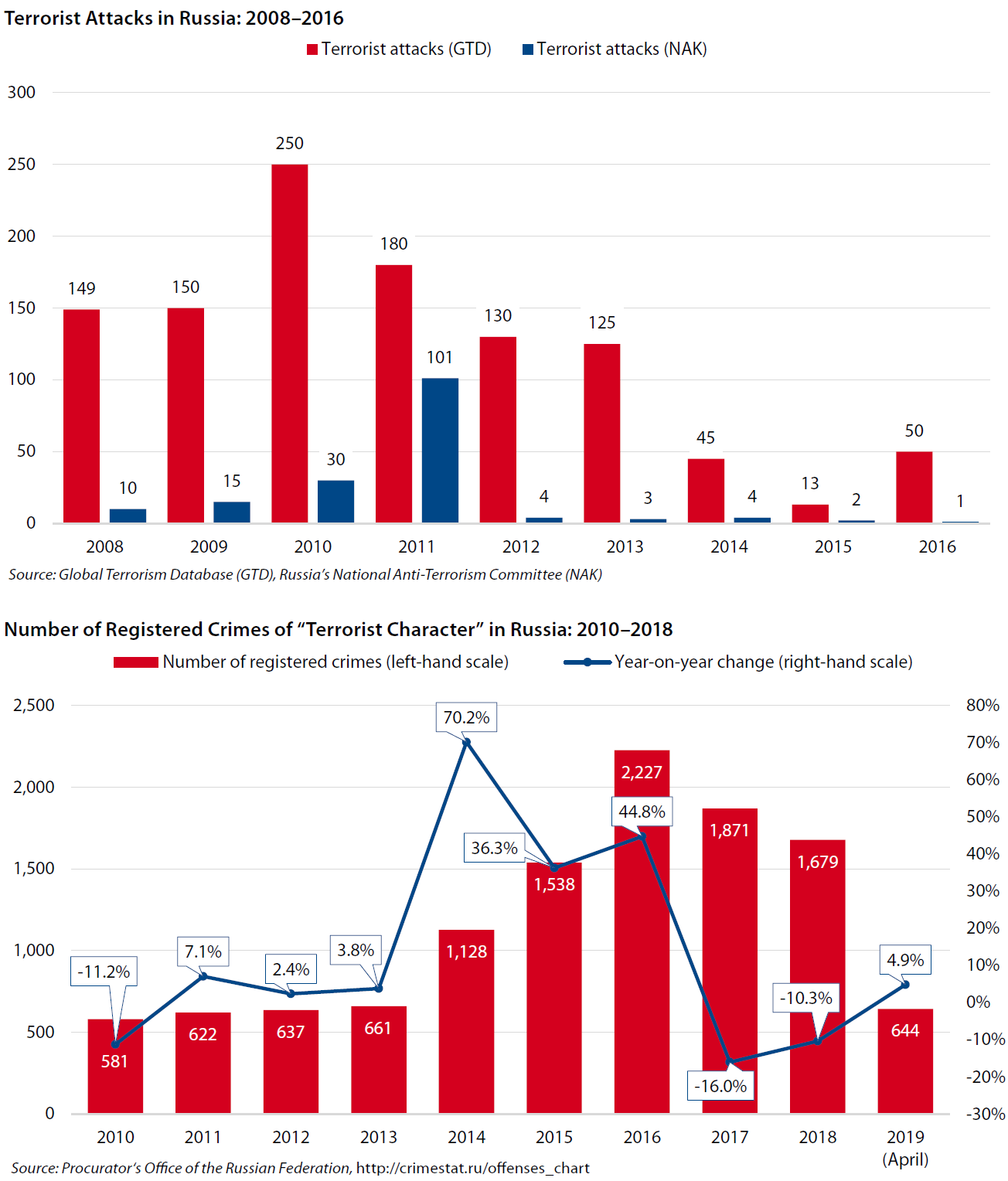
Terrorist Attacks in Russia

Click image to enlarge

EmailFacebookTwitter

These graphics provide an overview of the trend in terrorist attacks in Russia since 2008. For an examination of the impact of the 2014 economic crisis on counterterrorism in Russia and more, see ‘Russian Analytical Digest No. 237: Security Issues’.

Categories
CSS Blog

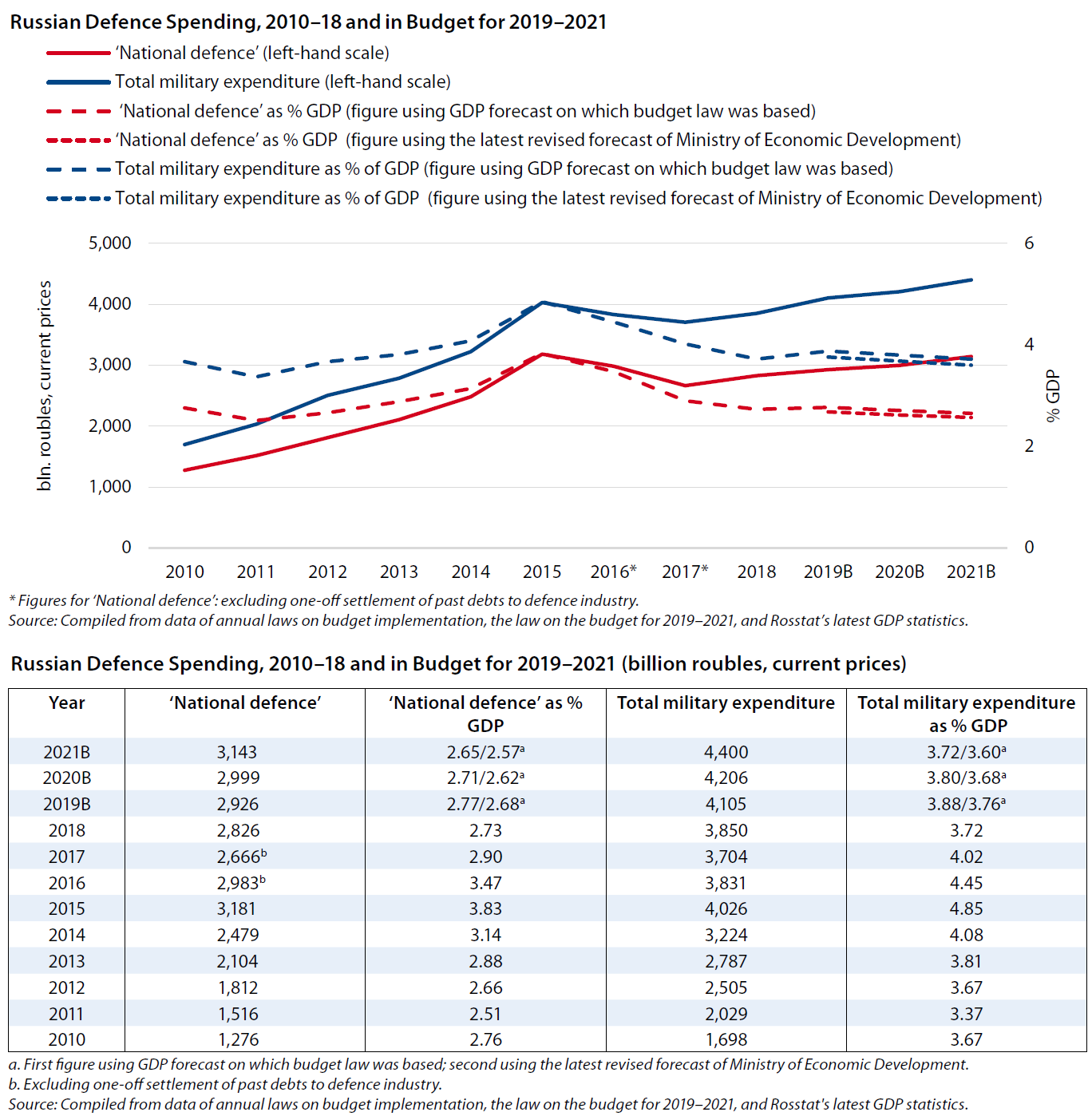
Russian Defense Spending

Click to enlarge

EmailFacebookTwitter

These graphics provide an overview of the trend in Russia’s defense spending, outlining spending between 2010 and 2018 as well as forecasts for the defense budget up to 2021. For an insight into the prospects for Russia’s defense spending and more, see ‘Russian Analytical Digest No. 237: Security Issues’.

Categories
Terrorism CSS Blog

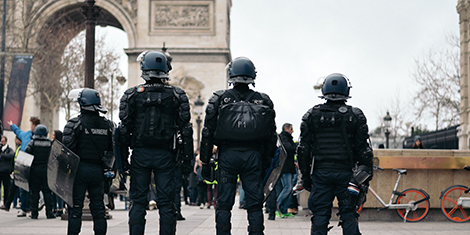
Terrorism Boosts Military Involvement in Politics (And Why It Matters for Democracy)

Image courtesy of Dmitriy Nushtaev/Unsplash

This article was originally published by Political Violence @ a Glance on 14 October 2019.

Terrorism does more than kill people and spread fear. We already knew that terrorism damages economies and weakens human rights; now we also know that it boosts military involvement in politics. This occurs because, in protracted struggles against terrorism, military actors may exploit their informational advantage over civilian authorities to “push” their way into politics and policymaking; or the military may be “pulled” into politics by decision makers.

Categories
CSS Blog

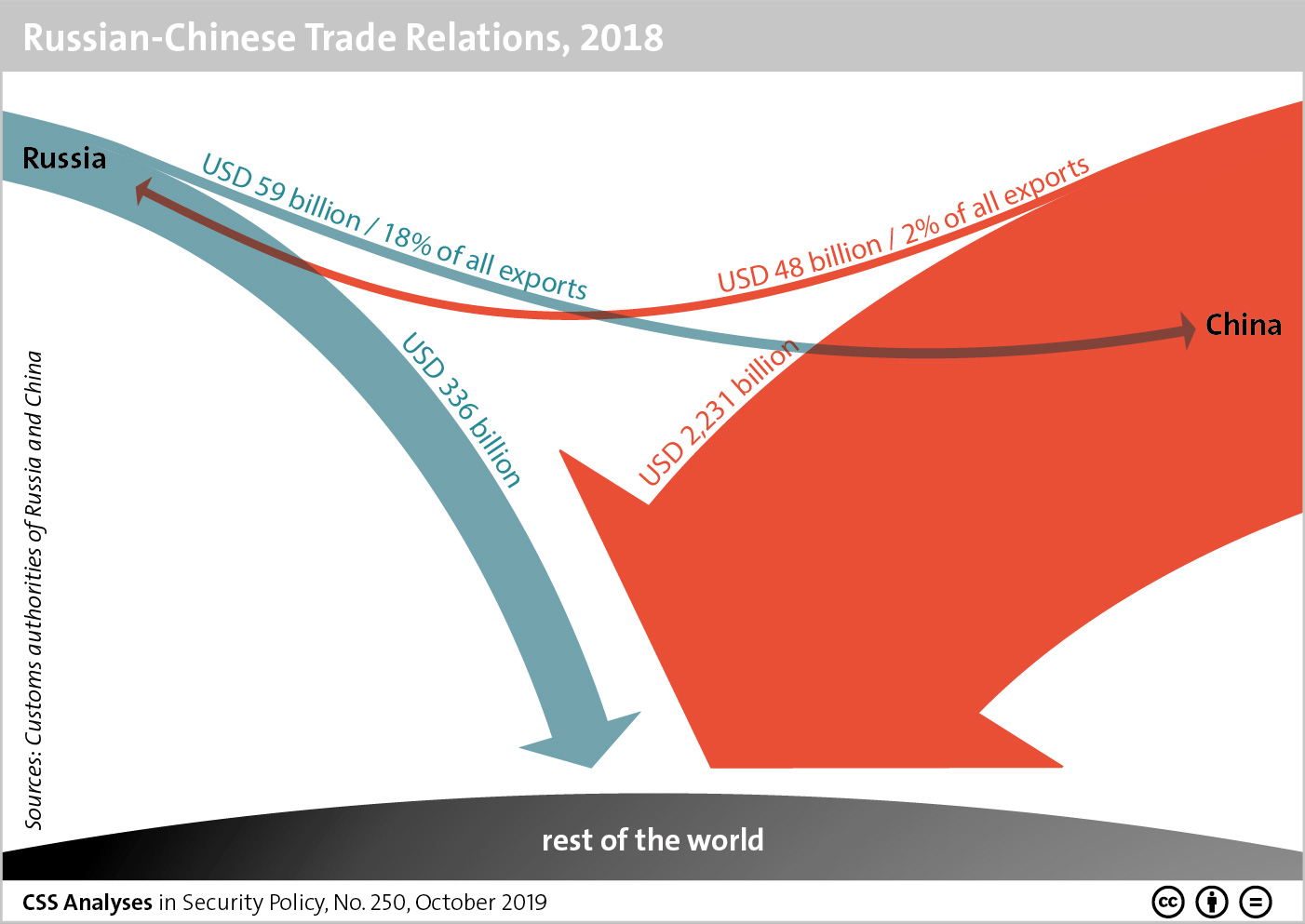
Russian-Chinese Trade Relations

EmailFacebookTwitter

This graphic shows Russia and China’s trade relations with one another and the rest of the world. For an insight into the potential of Moscow and Beijing’s partnership, read Jeronim Perović and Benno Zogg’s recent #CSSAnalyses in Security Policy here.