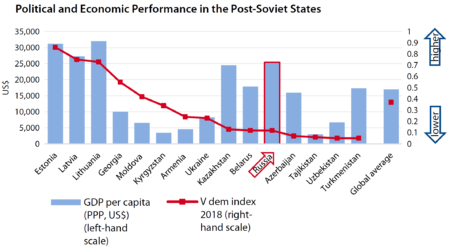
This graphic highlights Russia’s political and economic performance relative to other post-Soviet states. For more on Russia’s economy, read Russian Analytical Digest No. 241: Russia’s Economy.
 CSS Blog Network
The CSS Blog features the analyses of CSS experts, entries in the CSS Mediation Perspectives series and graphics produced by the CSS, which cover a range of international relations and security-related issues.
This graphic highlights Russia’s political and economic performance relative to other post-Soviet states. For more on Russia’s economy, read Russian Analytical Digest No. 241: Russia’s Economy.
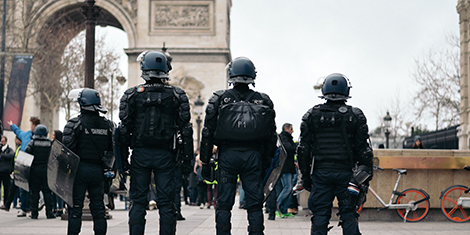
This article provides an overview of the forthcoming article “Can Terrorism Abroad Influence Migration Attitudes at Home” by Vincenzo Bove, Tobias Böhmelt and Enzo Nussio. It was originally published by the American Journal of Political Science on 6 December 2019.
Over the past few years, political leaders in Europe and elsewhere increasingly link the risk of terrorism to immigration. This includes moderate politicians in countries targeted by terrorism such as the German Chancellor Angela Merkel as well as leaders of states that are less frequently hit by terrorist attacks, such as the Polish president Andrzej Duda. In this context, our article investigates the impact of terrorism on immigration attitudes across Europe. Specifically, we ask whether terrorist attacks can propagate migration concern from targeted countries to their neighbors.
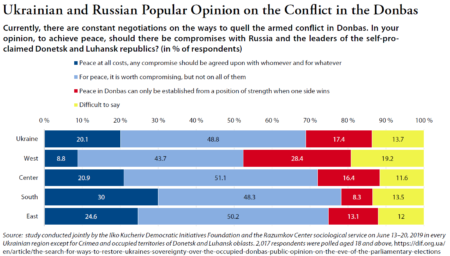
This graphic outlines the findings of a survey of Ukrainian and Russian public opinion on the conflict in the Donbas. For more, read the new issue of the Russian Analytical Digest ‘Russia-Ukraine‘.
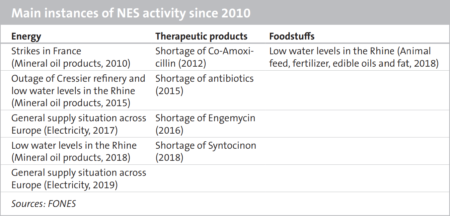
This week’s featured graphic summarizes the efforts of Switzerland’s National Economic Supply (NES) organization to deal with shortages in vital goods and services since 2010. To find out more about the NES, read Andrin Hauri’s new CSS Analysis in Security Policy on ‘National Economic Supply as an Emergency Precaution’.
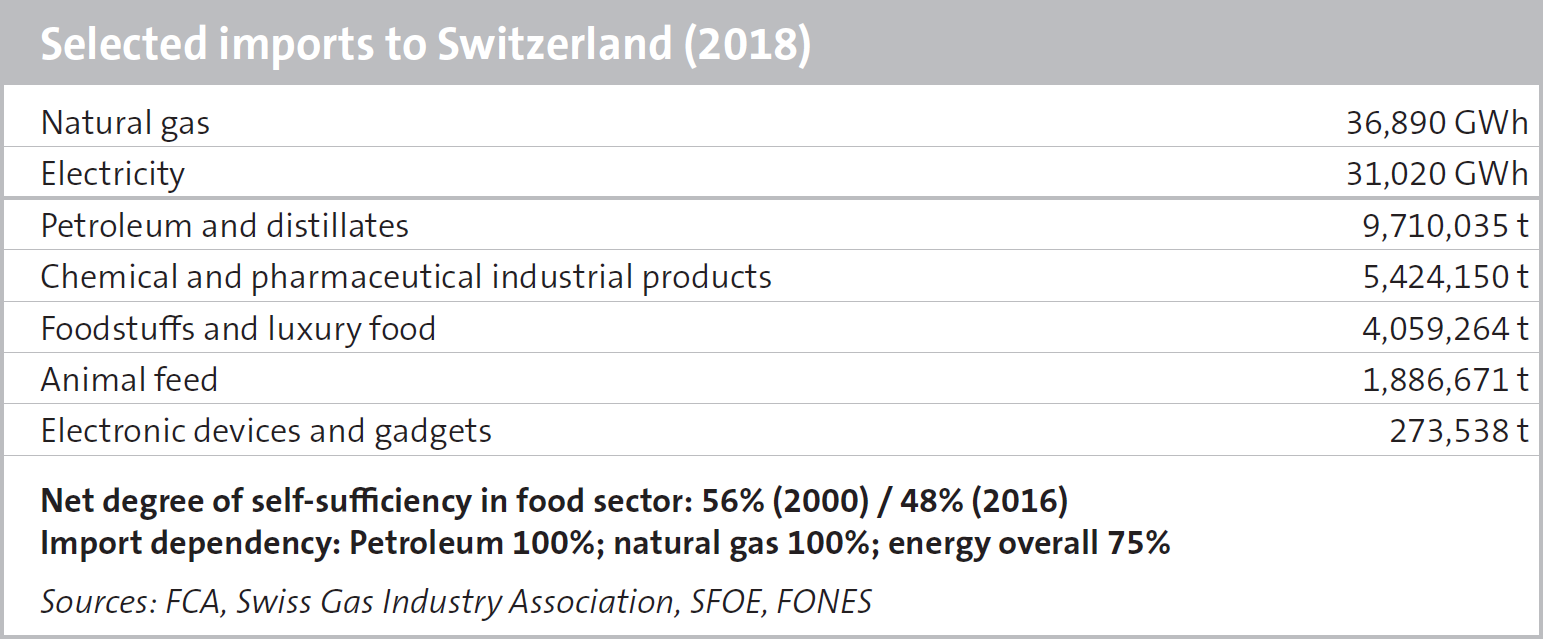
As a highly developed, landlocked resource-poor country that relies on imports for many vital commodities and services, Switzerland is comparatively vulnerable to disruptions of supply. This graphic provides an overview of a selected number of such imports and more.
To find out about how Switzerland attempts to ensure the supply of essential goods and services in times of crises, read Andrin Hauri’s recent CSS Analyses in Security Policy ‘National Economic Supply as an Emergency Precaution.’