Categories
CSS Blog

Mediation Perspectives: Understanding Self-immolation in Sri Lanka

Image courtesy of bestbauch/pixabay

Mediation Perspectives is a periodic blog entry that’s provided by the CSS’ Mediation Support Team and occasional guest authors.

Since the end of the civil war in Sri Lanka, representatives of the island’s Muslim minority and Buddhist majority have increasingly clashed violently. Attacks and counterattacks between the two communities have challenged the hope for peace on the island. Peacebuilding approaches to deal with the clashes between the religious communities require a better understanding of human non-material needs as motivation for political action. Considering the rationality of seemingly irrational acts such as self-immolation helps in understanding both these needs and the contentious issue at hand.
Categories
CSS Blog

Selected Urban Conflicts

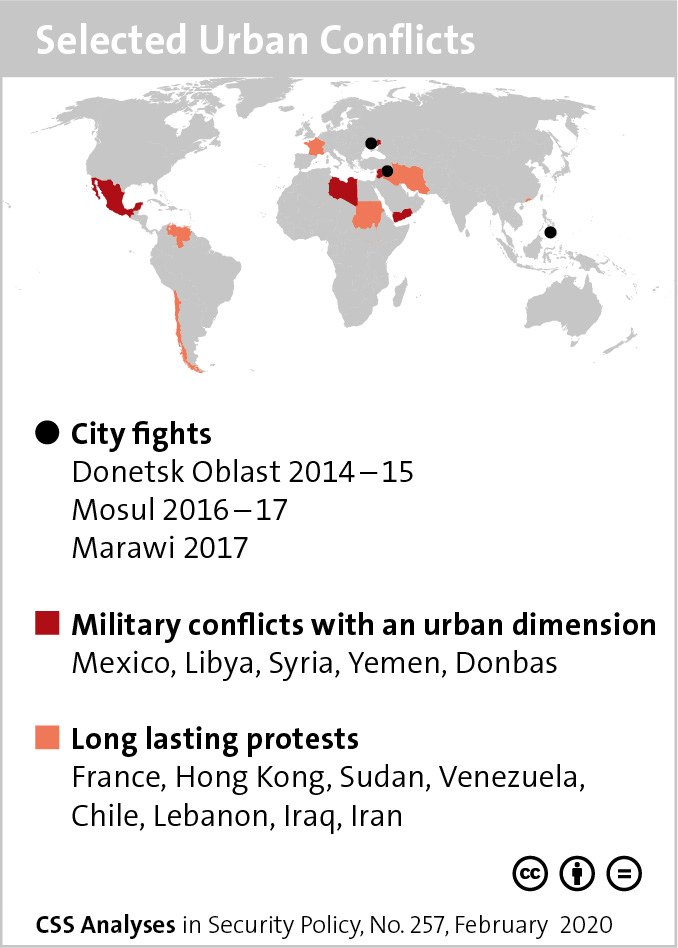
This graphic provides an overview of recent military conflicts and long lasting protests in cities around the world. For insights on how urban areas are becoming primary battlefields in conflicts, see Niklas Masuhr’s recent addition to the CSS Analyses in Security Policy series here.

Categories
CSS Blog

Mapping the Known Unknowns of Cybersecurity Education

Image courtesy of joffi/Pixabay.

This article was originally published by the Council on Foreign Relations (CFR) on 3 February 2020.

Many universities are starting to include cybersecurity as a course of study. While there is a high degree of variation between the selected readings of the syllabi of cybersecurity courses across different universities, there is some thematic overlap. By reviewing the syllabi of university cybersecurity courses, the authors seek to systematically evaluate this nascent field and advance its maturity.

Categories
CSS Blog

Belarusian Integration

Belarusian Integration

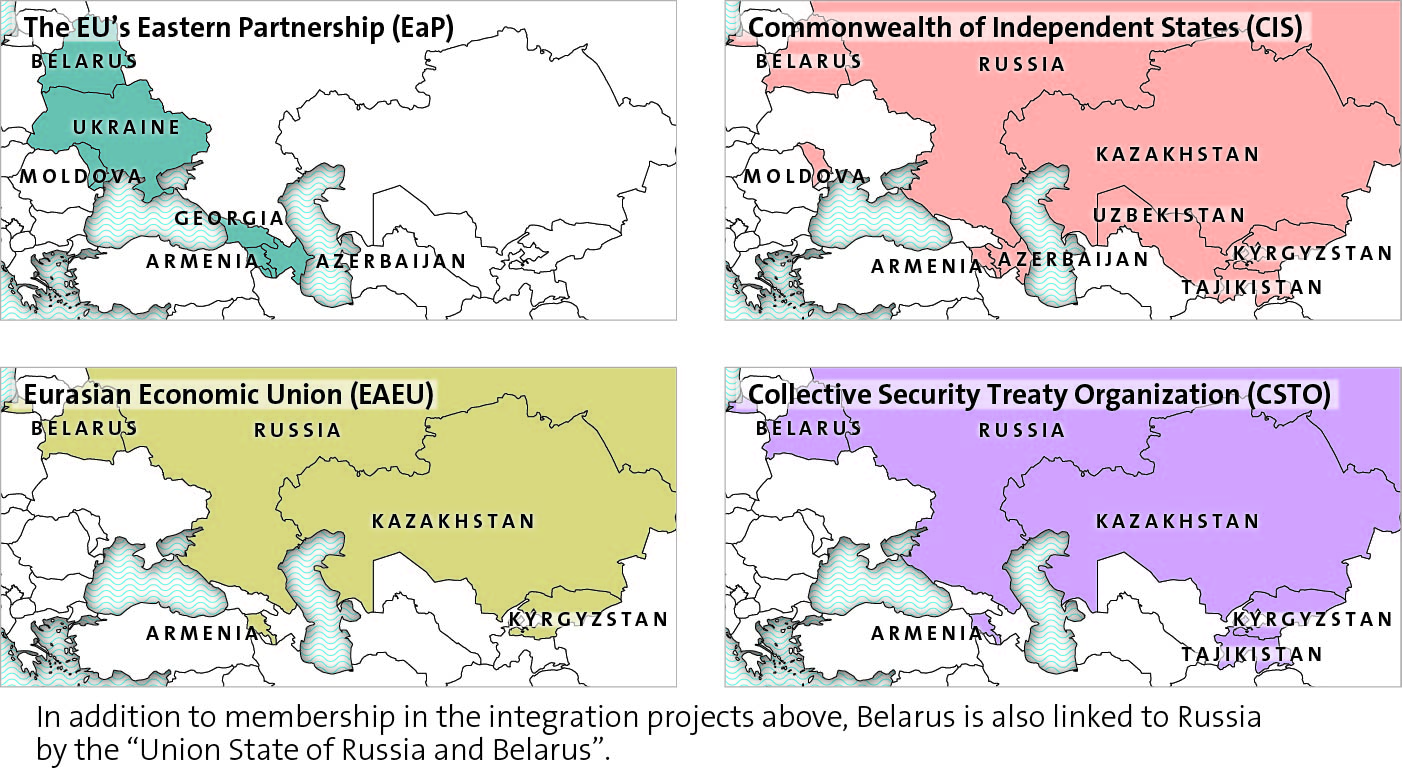
Belarus’ importance as an independent actor in Eastern Europe is growing – a fact that is underlined by Swiss Foreign Minister Cassis’ attendance of the opening of the Swiss embassy in Minsk and meeting with Belarusian President Lukashenko on 13 February 2020. This graphic illustrates four different integration projects, of which Belarus is a member. For more on Belarus’ foreign policies and strategies, read Benno Zogg’s addition to the CSS Analyses in Security Policy series ‘Belarus between East and West: The Art of the Deal‘.

Categories
CSS Blog

Mediation Perspectives: Artificial Intelligence in Conflict Resolution

Image courtesy of ev/Unsplash

Mediation Perspectives is a periodic blog entry that’s provided by the CSS’ Mediation Support Team and occasional guest authors.

How is artificial intelligence (AI) affecting conflict and its resolution? Peace practitioners and scholars cannot afford to disregard ongoing developments related to AI-based technologies – both from an ethical and a pragmatic perspective. In this blog, I explore AI as an evolving field of information management technologies that is changing both the nature of armed conflict and the way we can respond to it. AI encompasses the use of computer programmes to analyse big amounts of data (such as online communication and transactions) in order to learn from patterns and predict human behaviour on a massive scale. This is potentially useful for managing corporations and shaping markets, but also for gaining political influence, conducting psychological warfare and controlling populations.