
Categories
Terrorism Global Voices Regional Stability

Al-Shabaab’s Kenyan Ambitions

The flag of the terrorist group ‘Al-Shabaab’. Image: Ingoman/Wikimedia

This article was originally published by the International Crisis Group on its ‘In Pursuit of Peace’- Blog on 15 April 2015.

Why is Al-Shabaab increasingly targeting Kenya?

In its statement following the attack, Al-Shabaab claimed it acted to avenge atrocities it alleges have been committed by the Kenyan military deployed in Somalia (now part of the African Union peace-support operation AMISOM). This puts pressure on the Kenyan commitment to that mission. Al-Shabaab also claimed that its fight is to liberate “all Muslim lands under Kenyan occupation”, including “north-astern province and the coast”. Despite being anachronistic given Kenya’s recent divisions into county based government, this language chimes with pan-Somali nationalist and irredentist slogans of the 1960s and 70s.

Categories
Terrorism

The Politics of Oil in Today’s Middle East

Old Gas Station. Image: Rob Brewer/Flickr

On 26 March 2015, the ISN hosted an Evening Talk on “The Politics of Oil in Today’s Middle East.” The featured speaker was Dr. Gawdat Bahgat, who is currently a Professor of National Security Affairs at the US National Defense University’s Near East South Asia (NESA) Center for Strategic Studies. The following video excerpts highlight the observations Dr. Bahgat made in his prepared remarks and in a follow-on question and answer (Q&A) session which was moderated by the ISN’s Peter Faber.

Urban Battlegrounds: Dystopian Futures or Complex Realities?

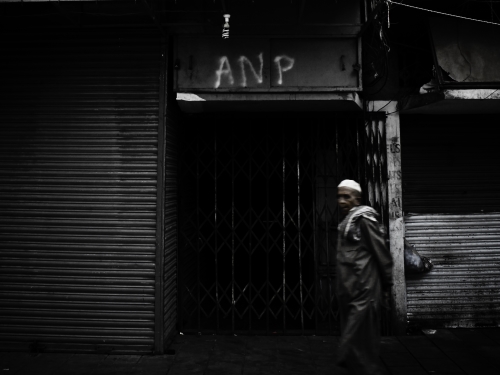
A man in a dark Karachi alley. Image: Ebtesam Ahmed/Flickr

From Kobane and Raqqa to the streets of Mexico City and beyond, cities are increasingly being perceived as urban battlegrounds – places where the world’s next wars will be fought between traditional armies and non-state actors. In this respect, there’s nothing coincidental about the fact that these ‘battlegrounds’ are primarily located in the ‘developing’ world. It’s here where most of the world’s urbanization is taking place. For many, rapid urbanization means living in informal settlements. It also means increased exposure to high rates of crime, violence and limited opportunities for human advancement.

Categories
Regional Stability

The Roles of Navies in the Yemeni Conflict

The Saudi Naval Jack. Image: Wikimedia

This article was originally published by the Center for International Maritime Security (CIMSEC) on 31 March 2015.

Although the Saudi-led Operation RESOLUTE STORM (alternately translated as DECISIVE STORM) began with air strikes into Yemen on March 26 and continue as of this writing, the heightened level of regional activity also includes maritime operations. These national and multi-national operations highlight the importance of naval platforms and presence. Yemen is strategically located with the heavily-trafficked Red Sea to its west and the Gulf of Aden along its southern coast. Some twenty thousand ships transit the Gulf of Aden annually. Yemen’s ports have been largely closed to commercial traffic.

Is Russia Really a Threat to NATO?

A Russian officer guarding the Kaliningrad border. Image: Igor Zarembo/Flickr

Russia’s ongoing military modernization program continues to alarm NATO’s eastern flank. Over the next five years, Moscow aims to have revitalized between 70 – 100 percent of the country’s armed forces. To assist, the Russian military budget was increased by 33% this year, to approximately 3.3 trillion Rubles ($81 billion), or 4.2 percent of the country’s Gross Domestic Product (GDP), with an estimated $700 billion to be spent between now and 2020.

Yet, can Moscow really afford its current defense spending spree? And why has Russian President Vladimir Putin decided that the time to revitalize the country’s armed forces is now? Part of the answer to these questions lies in a concurrent development in Russian defense policy – the recent adoption of the country’s new military doctrine.