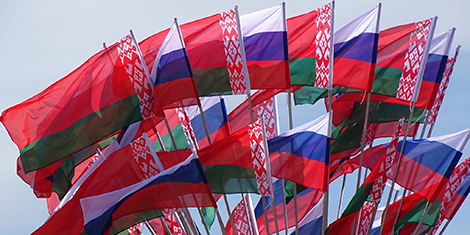
While speculation about whether Russia may repeat the Crimean scenario in Belarus should not be totally dismissed, exaggerated alarmism would not be appropriate either. Rather, Moscow’s policy is aimed at making sure that Belarus and its leadership remain critically dependent on Russia.
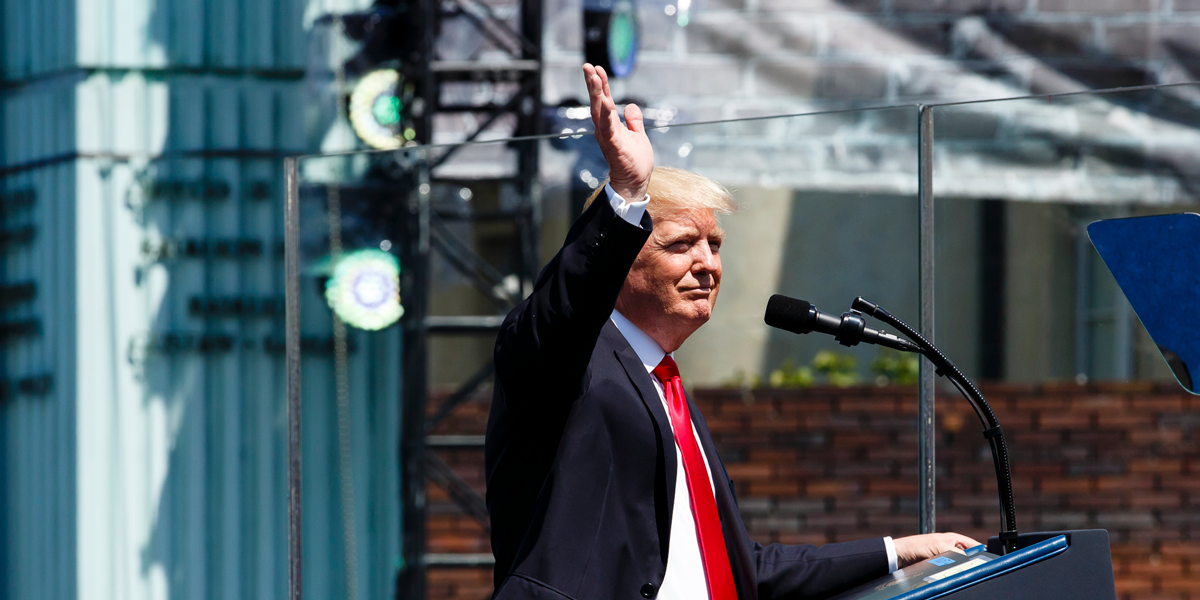
If Poland’s president gets his way, the Pentagon might soon start building Fort Trump on Polish soil. Permanently posting thousands of American troops in Poland, however, isn’t the best way to convince NATO allies that America will defend them from Russian aggression.
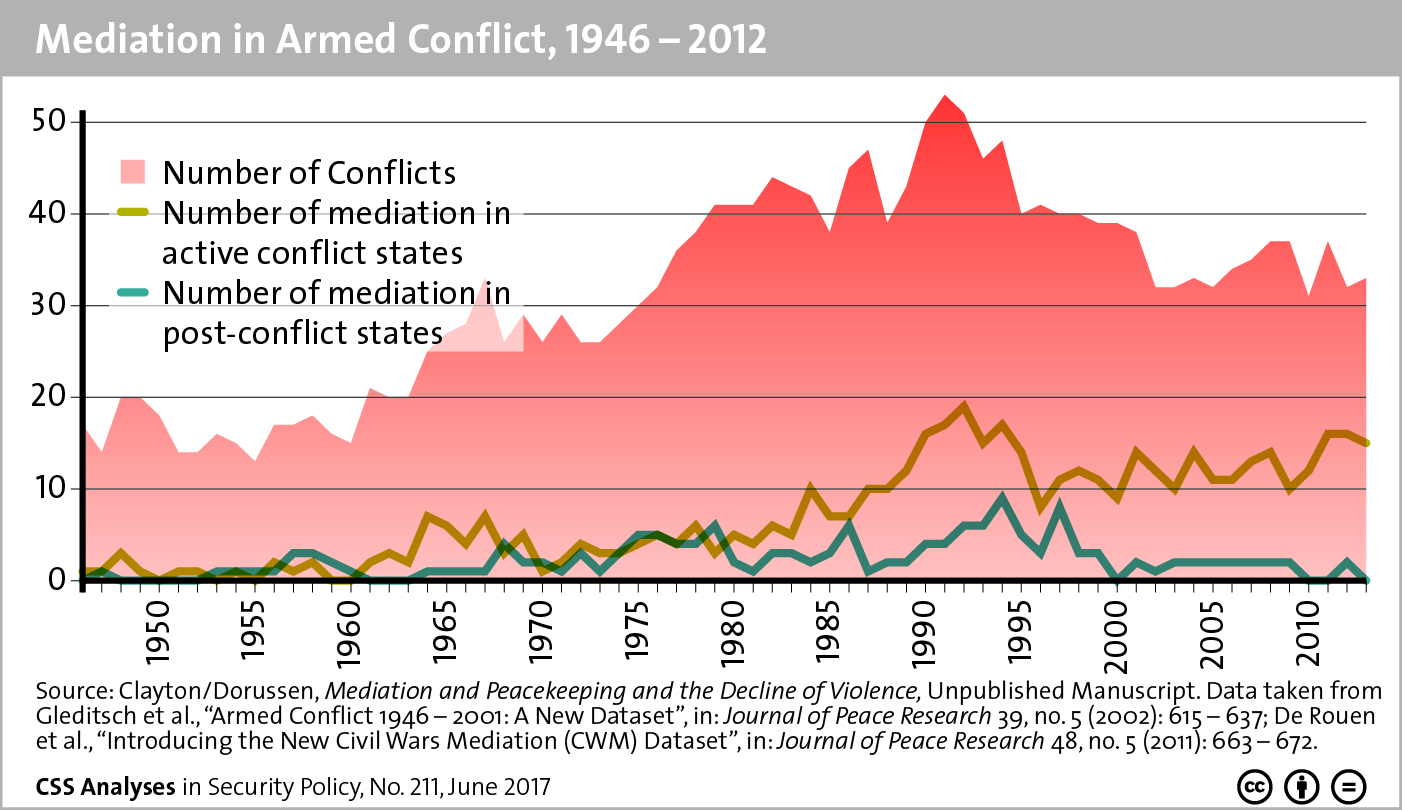
This graphic contrasts the number of conflicts that occurred between 1946 and 2012 with the amount of mediation that took place over the same period in both active-conflict and post-conflict states. To find out more about mediation in armed conflict, see Jonas Baumann and Govinda Clayton’s recent addition to our CSS Analyses in Security Policy series here. For more graphics on peace and conflict, see the CSS’ collection of graphs and charts on the subject here.
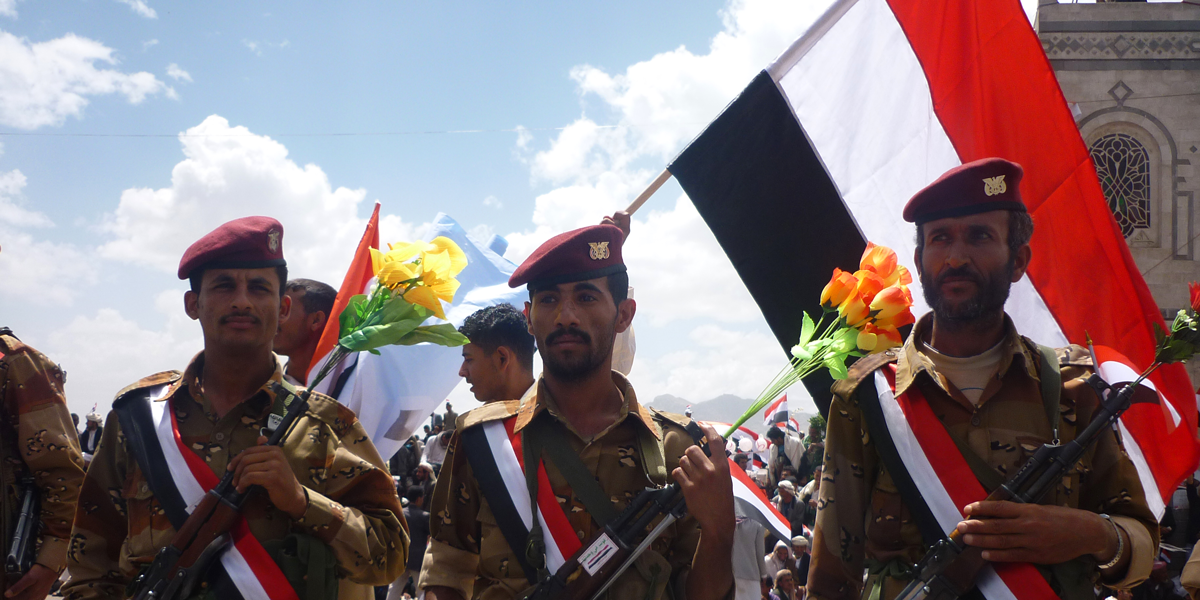
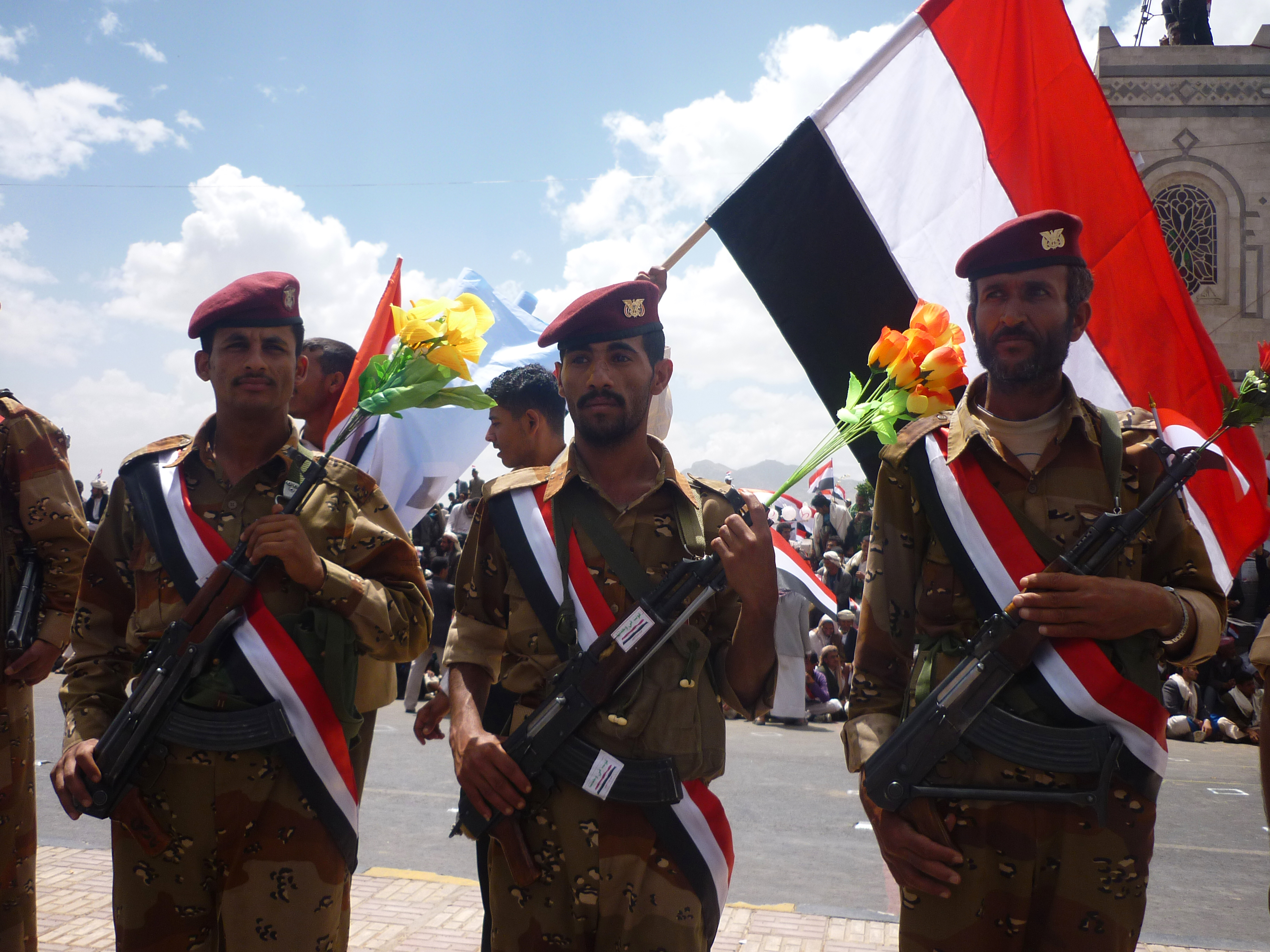
The diffusion of protests against authoritarian regimes across the Arab world in 2011 reinvigorated Yemen’s marginalized social movements and united different geographical and political factions in Yemen, such as the northern Houthi movement and the southern secessionist movement Hiraak.1 The Saudi Kingdom, along with other Gulf monarchies, swiftly designed a transitional plan for the country to ensure that President Ali Abdullah Saleh wass replaced with a friendly government led by President Abd Rabo Hadi. Disillusioned by the transition, the Houthis took military control of the capital Sana’a in September 2014, and Yemen descended into a civil war. On 26 March 2015, Saudi Arabia launched airstrikes on Yemen with the aim to restore the Saudi-backed Hadi government and destroy the Houthi movement. What was initially planned as a limited operation degenerated into a war of attrition without a conclusion insight. Scholars and policy analysts moved quickly to examine the Yemen war as a by-product of Saudi-Iranian rivalry and another manifestation of a region-wide war between Sunni and Shi’a Muslims. Yet, the crisis in Yemen is more complex; it is neither an international proxy war nor a sectarian confrontation.
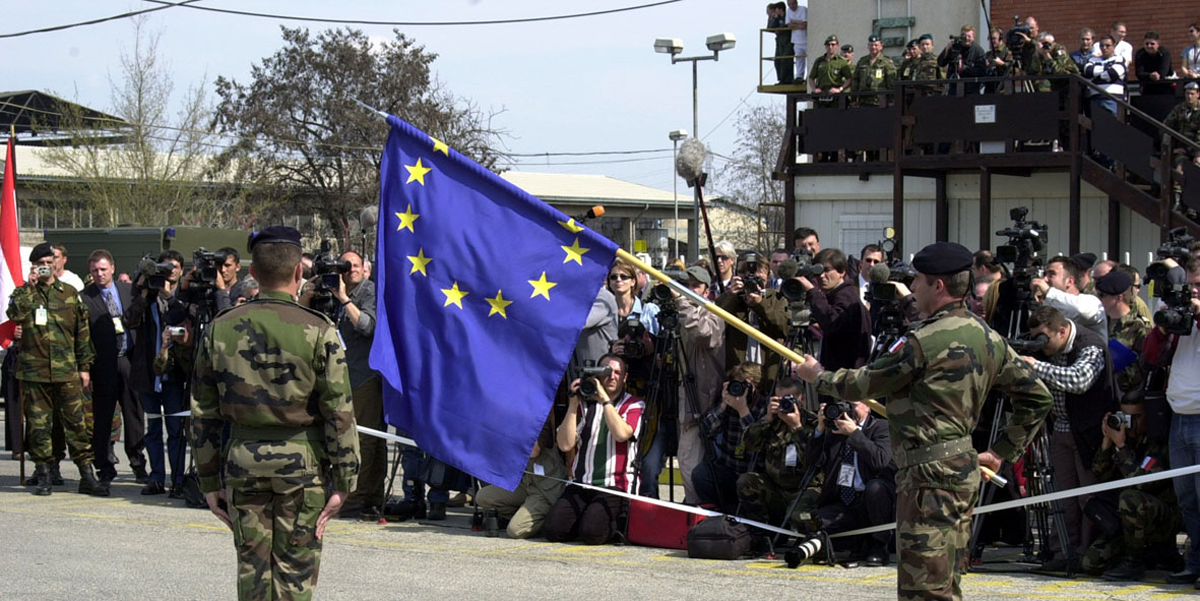
‘European army’ is an empty phrase; what is actually needed is less talk and more action – more concrete projects to integrate defence efforts while avoiding careless talk.