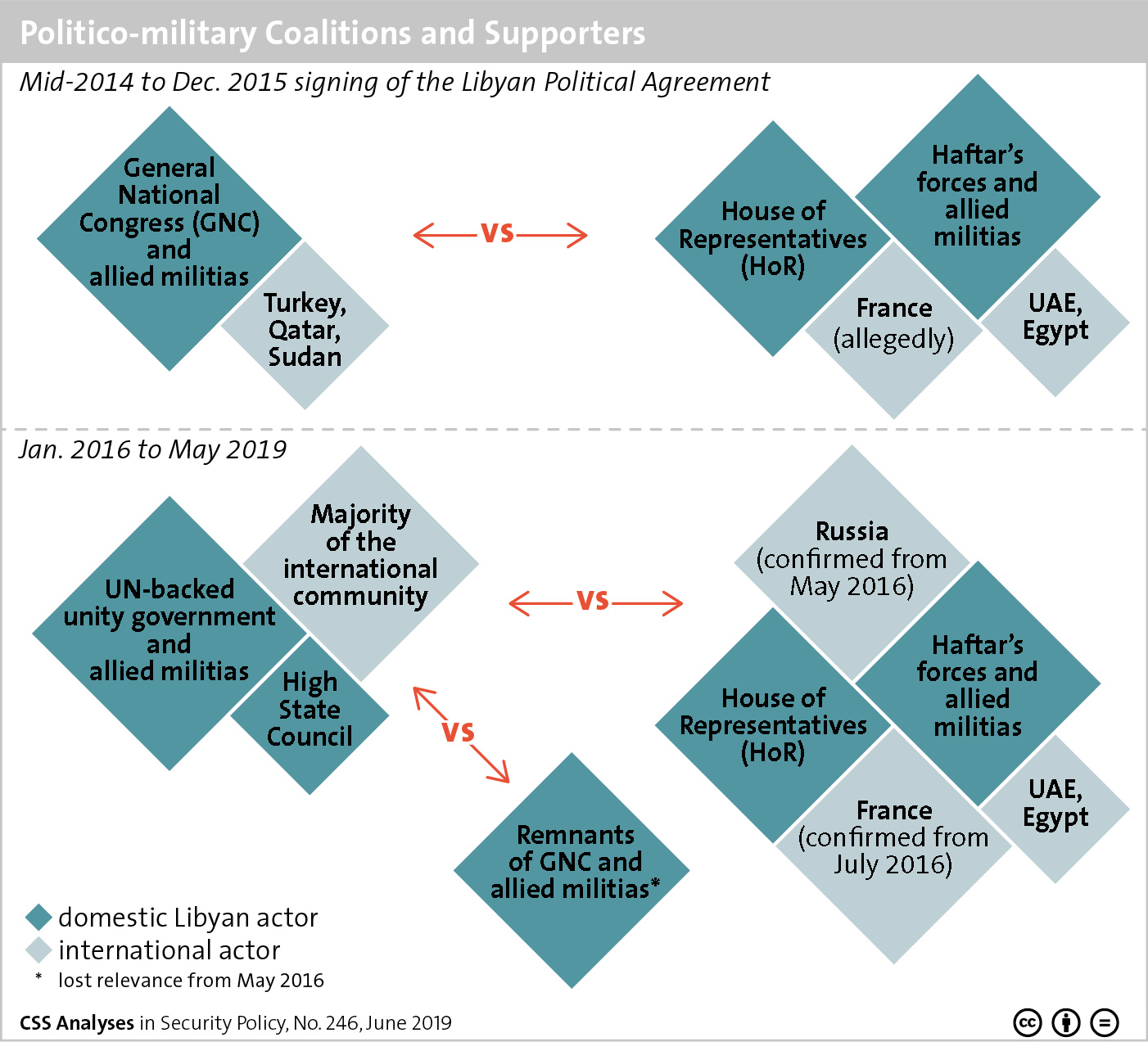


This week’s featured graphic maps the domestic coalitions in the Libyan conflict and their international supporters. For an insight into UN mediation in Libya, read Lisa Watanabe’s recent CSS Analyses in Security Policy here.
 CSS Blog Network
This week’s featured graphic maps the domestic coalitions in the Libyan conflict and their international supporters. For an insight into UN mediation in Libya, read Lisa Watanabe’s recent CSS Analyses in Security Policy here.
This article was originally published by E-International Relations on 23 August 2019.
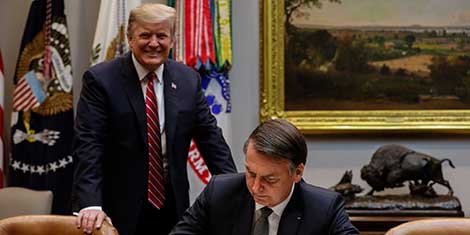
The contemporary political environment has seen a paradoxical hijacking of key liberal peace and security concepts which helped to secure the post-Cold War era. With key concepts like human security undermined, what will come next? The following is an initial reflection as my colleague, and I embark on a larger study of how the emergence of right-wing populist nationalism has become a significant global phenomenon and what impact it has had for dominant theories of security in the post-World War II liberal international system. From the challenges to the NATO alliance to questioning the link between poverty and violence, the peace, security and development agenda has been radically transformed in a few short years, with trust between former allies eroding and the moderate level of predictability in the liberal international system being shaken.
This article was originally published by Saferworld on 19 August 2019.
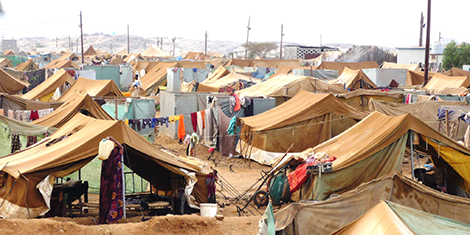
To mark World Humanitarian Day, Saferworld’s Director of International Programmes, Susana Klien, looks at what it means to embark on bold reform of the humanitarian system, and explores how power can be shifted to those affected by conflict and crisis.
One of my favourite Paulo Freire’s quotes says that “the more radical the person is, the more fully he or she enters into reality so that, knowing it better, he or she can transform it. This individual is not afraid to confront, to listen, to see the world unveiled. This person is not afraid to meet the people or to enter into a dialogue with them. This person does not consider himself or herself the proprietor of history or of all people, or the liberator of the oppressed; but he or she does commit himself or herself, within history, to fight at their side.”
This article was originally published by YaleGlobal Online on 13 August 2019.
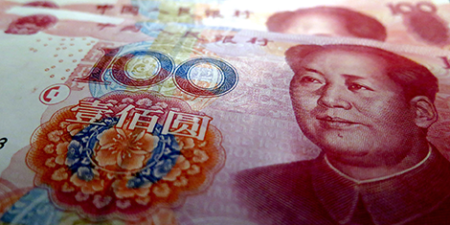
Trade is complex: US tariffs targeting China could weaken the renminbi, allowing Chinese exporters to maintain profit levels and keep US import costs the same
At 5 am on August 5, the US president sent a message on Twitter accusing China of being a “currency manipulator,” describing this as a “major violation.” US Treasury Secretary Steven Mnuchin followed with an official announcement later that day.

This article was originally published by the Foreign Policy Research Institute (FPRI) on 31 July 2019.
In the field of international relations, a nation’s credibility is often thought to be calculated by evaluating its historical record of following through on threats of punishment issued to adversaries. In contrast, today, the larger challenge to U.S. global credibility arises not from questions about its ability to inflict pain on rivals, but rather from the demonstrated failure of U.S. policymakers to make good on incentives promised to rivals in exchange for constructive changes in their behaviors.