
Categories
Coronavirus CSS Blog

The US-China Clash over Corona Has Implications for Nuclear Arms Control

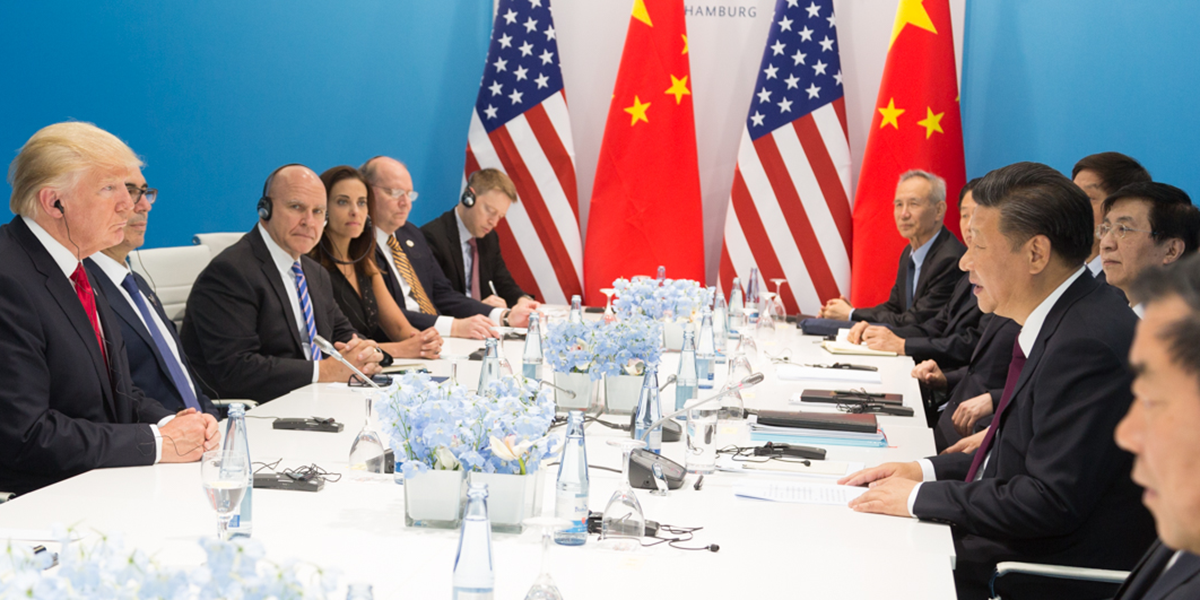
Image courtesy of the White House/Flickr.

This blog belongs to the CSS’ coronavirus blog series, which forms a part of the center’s analysis of the security policy implications of the coronavirus crisis. See the CSS special theme page on the coronavirus for more.

US-China relations are at a new low-point following the global spread of the coronavirus, which first emerged in the Chinese city of Wuhan in December 2019. The pandemic has exacerbated tensions in what was already a fragile relationship, plagued by disputes on issues related to the South China Sea, Taiwan, trade, and 5G technology. Nuclear weapons, however, were not featured as a central element of the US-China confrontation, at least not at same level as other issues of contention, but this is likely to change. A recent call for China to drastically increase its nuclear arsenal published in the nationalistic Chinese newspaper the Global Times has revived a domestic debate on Chinese nuclear deterrence, highlighting concerns over perceived US hostile behavior.
Categories
CSS Blog

Strategic Trends 2020: Wie wahrscheinlich ist ein Krieg zwischen den USA und China?

In diesem Podcast analysieren die CSS-Experten Oliver Thränert, Michael Haas und Niklas Masuhr die Beziehungen zwischen den USA und China und mögliche Ursachen für einen militärischen Konflikt zwischen beiden Grossmächten. Das Gespräch basiert auf dem kürzlich im Rahmen der Publikation «Strategic Trends 2020» erschienenen Kapitel «US-China Relations and the Specter of Great Power War» von Michael Haas und Niklas Masuhr. Strategic Trends ist eine Jahrespublikation des Center for Security Studies der ETH Zürich, die sich wichtigen weltpolitischen Entwicklungen widmet. Strategic Trends 2020 lesen Sie hier.

Categories
CSS Blog Coronavirus

Trust and Transparency: Antidotes against Corona Conspiracies

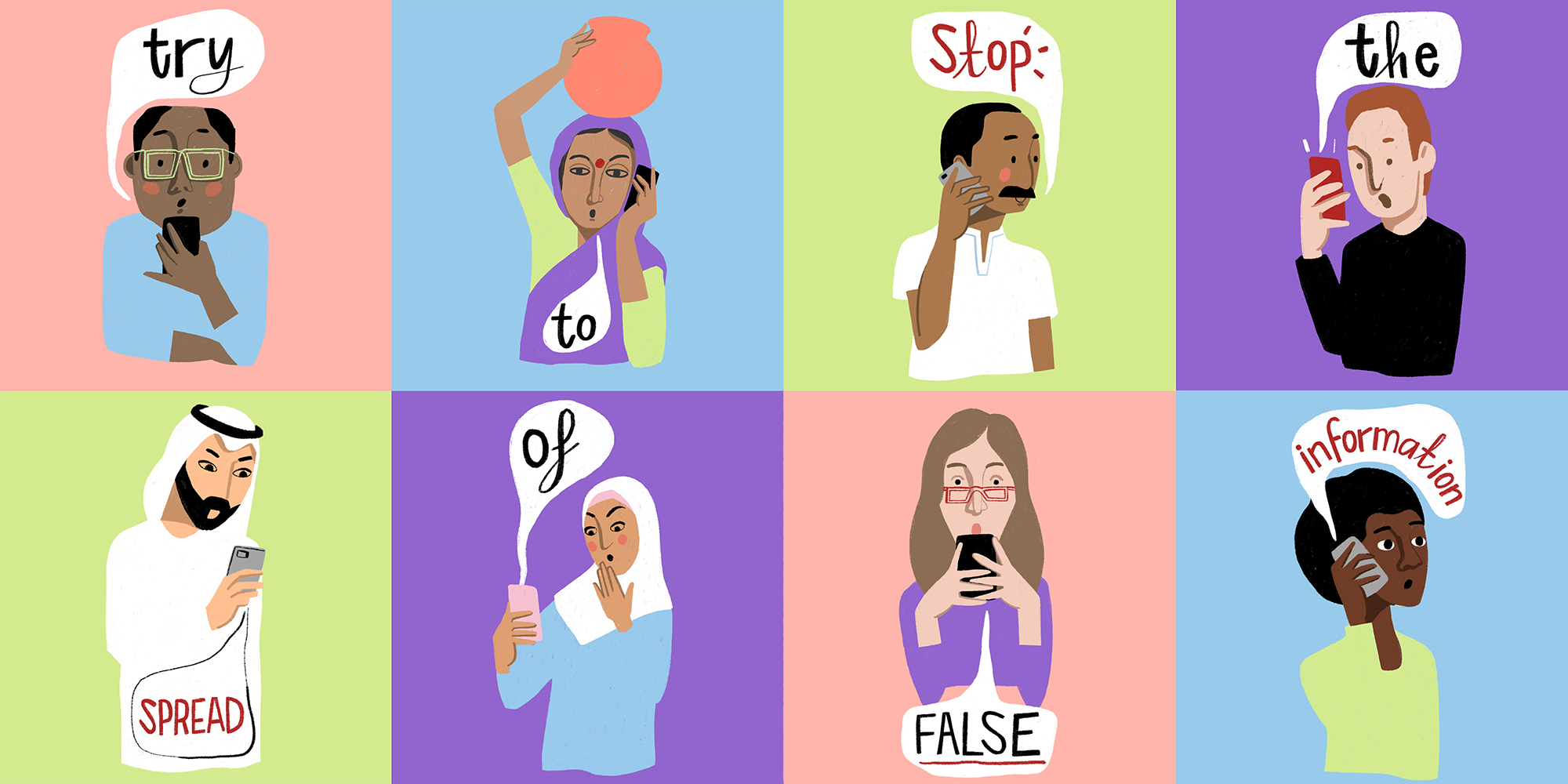
Image courtesy of United Nations COVID-19 Response/Unsplash

This blog belongs to the CSS’ coronavirus blog series, which forms a part of the center’s analysis of the security policy implications of the coronavirus crisis. See the CSS special theme page on the coronavirus for more.

Many theories are circling around the origin of the novel coronavirus SARS-CoV-2. Although scientists agree that the virus has not been manipulated, rumors persist about the possibility that it leaked from a laboratory in Wuhan or that it is a biological weapon. The Biological and Toxin Weapons Convention (BTWC) bans biological weapons, but lacks effective control mechanisms. Strengthening the BTWC could help in reducing the uncertainty that provides a basis for conspiracy theories.

Categories
CSS Blog

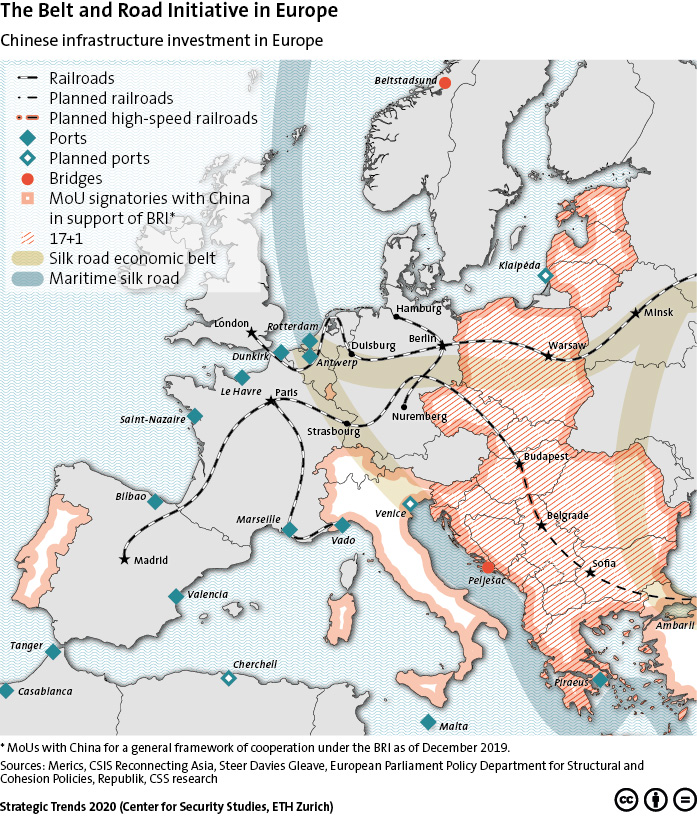
The Belt and Road Initiative in Europe

This graphic maps China’s infrastructure investment in Europe related to the Belt and Road Initiative (BRI), including planned and completed railroads, ports and bridges, among other projects.
For an insight into the implications of China’s BRI and targeted influence attempts for Europe, read Linda Maduz and Henrik Larsen’s Strategic Trends 2020 chapter here.

Categories
CSS Blog

African Mediators Outperform Their Non-African Counterparts — Here’s Why

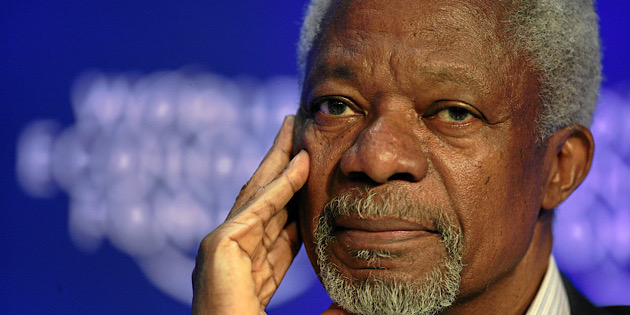
Image courtesy of World Economic Forum/Flickr. (CC BY-NC-SA 2.0)

This article was originally published by Political Violence at a Glance on 30 April 2020.

In 2013, during the 50th anniversary of the Organization of African Unity (now known as the African Union), African leaders solemnly declared their aim to “silence the guns” in Africa by the end of 2020. Consequently, silencing the guns—ending armed conflict—is the African Union’s theme for 2020, with high-level discussions on how to implement this goal throughout the year.