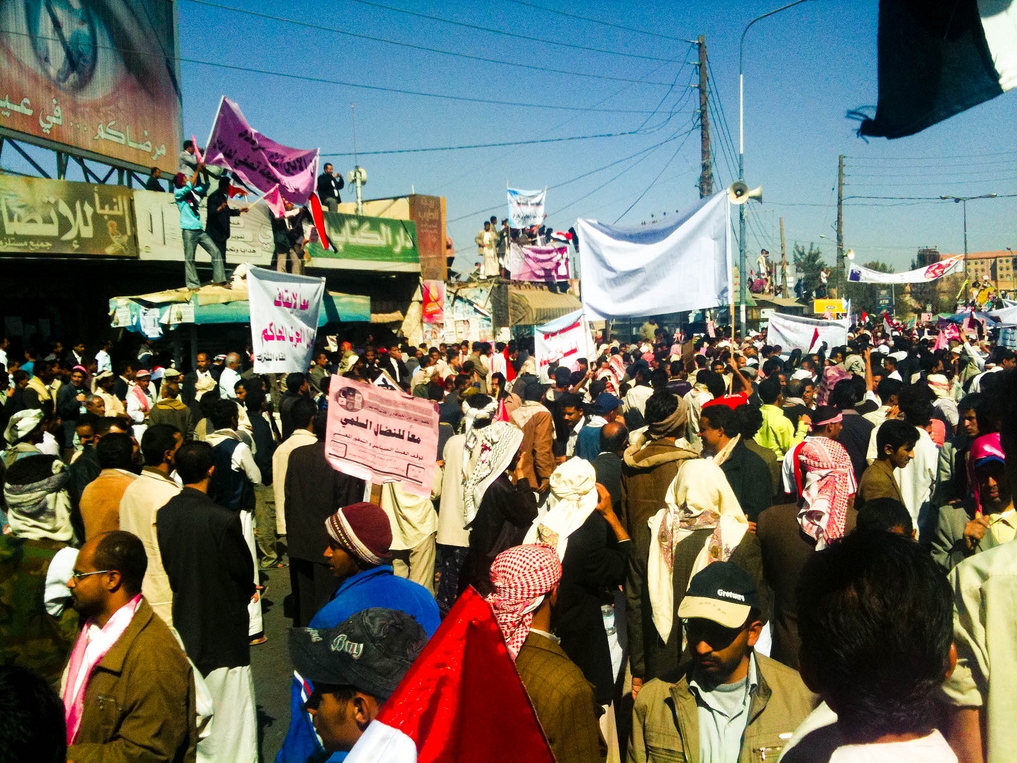
With northern rebels claiming the capital Sana’a and Al-Qaeda militants increasing their attacks in the south, Yemen’s security crisis is likely to continue, experts believe. While a new agreement between the Houthi rebels and the government may have temporarily reduced fears of all-out civil war, the country’s political, security and economic crises are unlikely to ease, leading NGOs to fear increasing humanitarian needs.
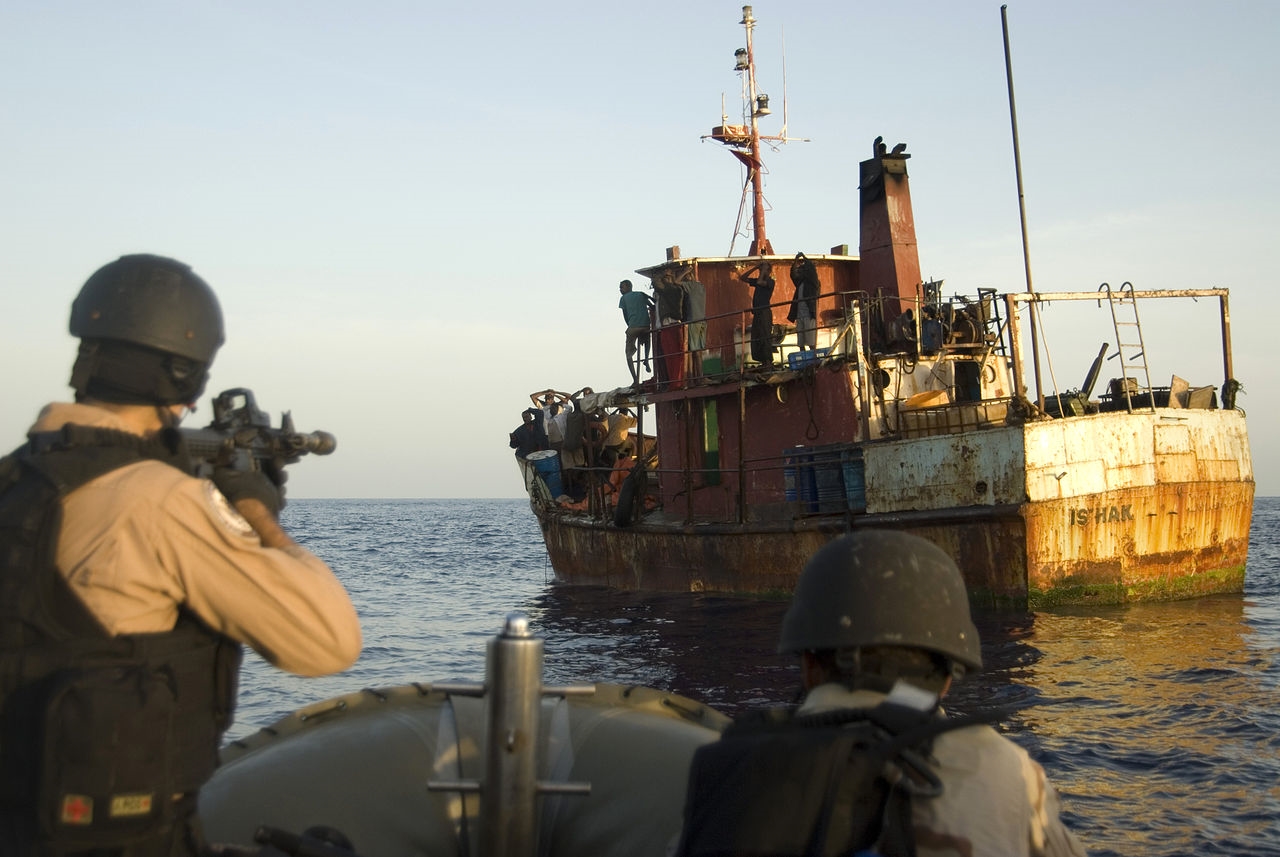
On Sept. 23, the United States joined ReCAAP, the Regional Cooperation Agreement on Combating Piracy and Armed Robbery Against Ships in Asia. The move comes amidst deepening concern about sophisticated piracy attacks in and around the Strait of Malacca, the world’s most trafficked commercial waterway. In addition to growing involvement by governments, private security companies are also joining the effort to suppress Southeast Asian piracy. As John J. Pitney, Jr. and I argue in our new book Private Anti-Piracy Navies: How Warships for Hire are Changing Maritime Security, as pirates’ operations become more refined, so too will the private security schemes to defeat them.
Vietnam analogies are often overused, particularly by people who want to stay out of a proposed war or get us out of one we are fighting. Although I agree that the Islamic State, or whatever it is calling itself this week, must be dealt with militarily; the strategy with which the Obama administration is going about it is deeply disturbing and its basic elements bring vividly to mind the War in Vietnam which began in earnest when I was in the Tenth Grade; American involvement did not end until I was a senior Marine Corps First Lieutenant in 1973. I am not yet senile enough to have forgotten key details.
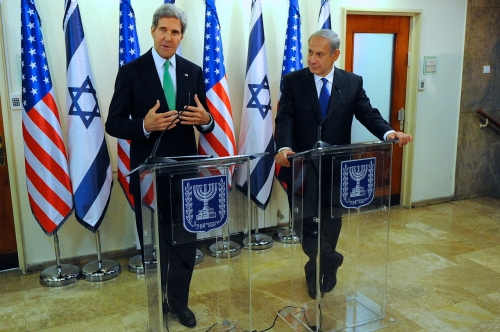
John Kerry and Benjamin Netanyahu. Image: US State Department/Wikimedia
After more than two decades of Israeli-Palestinian negotiations that have failed to bring peace, few words are as reviled among Palestinians as “normalization.” “Anti-normalization”is a widespread response: many Palestinians refuse to cooperate with Israelis, arguing that joint activities have merely given cover to Israel’s ongoing military occupation of their land and society for decades. Peace and reconciliation activities, they feel, create a false image of equality that does not reflect reality and contributes to their ongoing oppression.
Robert Cox began his canonical 1981 essay “Social Forces, States and World Orders: Beyond International Relations Theory” with the observation that it is “necessary and practical” for academic disciplines to “divide up the seamless web of the real social world”. We make these divisions, Cox wrote, in order to analyse the world and thus to produce practical knowledge of that world. It is not a stretch to suggest that the real social world of International Relations scholarship might also be approached as worthy of analysis and theory. Indeed, reflection on International Relations as theory appears in the field as part of the necessary and practical division of the complexity of the social and political world. Rare is the introduction to IR textbook that does not emphasize, and usually begin with, the “great (theoretical) debates” that have structured the field since it emerged as an academic discipline.