The Youth of the Arab Spring

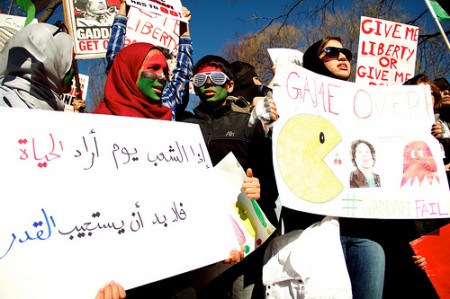
Libya's youth demonstrating against the Gaddafi regime
Game over for Gaddafi. But who's next? Photo by Collin David Anderson/Flickr

Young men and women have formed the core of the recent uprisings across the Arab world. Yet media outlets have often generalized coverage of the Arab spring and overlooked individual contributions. So the Federal Department of Foreign Affairs’ (FDFA) decision to invite six activists to its Annual Conference was an opportunity to hear the hopes and fears of the region’s youth. Their message was a mixture of genuine ambition, cautious optimism and concern for the future.

Despite recent clashes between Coptic Christians and the security forces of the interim military government, Egyptian youth remains confident that the ‘Tahrir spirit’ is alive and kicking. Confidence also remains high that genuine democratic change will happen and that upcoming elections will be free and fair. The Egyptian representative, Sondos Asem, also emphasized that relations between Muslims and Copts are generally good. While Islamists continue to grow as a significant political force, it is by no means guaranteed that they will eventually hold the reins of power. As a result, the Conference was told ‘not to fear the Arab spring’.

Libya’s Loay al-Magri offered a more substantive vision of the aspirations of the country’s youth. Demands have been made for the swift establishment of the rule of law with no ethnic distinctions. This should be accompanied by social and economic policies that review Libya’s education system, encourage vocational training, redevelop the commercial sector and revitalize the jobs market. It is also hoped that a full and frank exchange of ideas across Libyan society will result in similarly proactive foreign policies. It remains to be seen whether the recent death of Muammar Gaddafi will accelerate or temporarily derail these ambitions.


Switzerland: Less Polarized, More Fragmented

Switzerland’s political landscape after the elections: less polarized but more fragmented. Photo: twicepix/flickr

Last Sunday’s elections unexpectedly bucked the trend of growing polarization in the Swiss political landscape. All major established parties lost support, while two new center parties – the Liberal Greens and the Conservative Democrats – were the big winners.

But, to many, the biggest surprise was the weak showing of the Swiss People’s Party, the SVP. For two decades, the proportion of the electorate voting for the anti-immigration, anti-European party had steadily increased. With a number of controversial popular initiatives and xenophobic campaigns (most famously the ‘black sheep‘ campaign, which the UN denounced as racist), the party mobilized voters and more than doubled its percentage between 1991 and 2007.

Categories
Uncategorized

This Week at the ISN…

It's week 43 on the ISN's editorial calendar, Photo: Gary Thompson/flickr

We’ll highlight the following:

  • In ISN Insights on Monday, Peter Buxbaum dissects the accuracy of the claim that China’s currency policies are costing American jobs
  • We’ll have a roundup of the recent Swiss elections on Tuesday
  • In Wednesday’s ISN Insight, Anuj Chopra assess the state of post-war reconciliation and reintegration in Sri Lanka
  • Pakistan and geopolitics is under discussion on Thursday
  • And in Friday’s podcast, Dr Max Abrahms considers whether terrorism is an effective tool of political change

And in case you missed any of last week’s coverage, you can catch up here on: India’s struggle to counter terror; Uganda and conflict; political succession in Tibet; an ODI event on political economy and development; and Cyprus

The New Passive Activism?

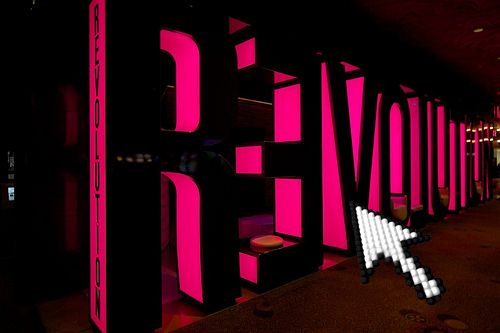
Revolution at the click of a mouse? Photo: Brian Leadingham/flickr

  “Dear incredible Avaazers,
Just a few hours ago, our community reached 10 million people!”

Last week’s announcement by Avaaz, an online pressure group, speaks volumes for the continued enthusiasm for a form of political action that requires little more than a couple of mouse clicks. Once you’ve registered on a site like Avaaz, all you need to do to support a cause is enter your email address and click a button – or two, if you want to advertise your deed on your Facebook and Twitter accounts.

Political Economy and Development

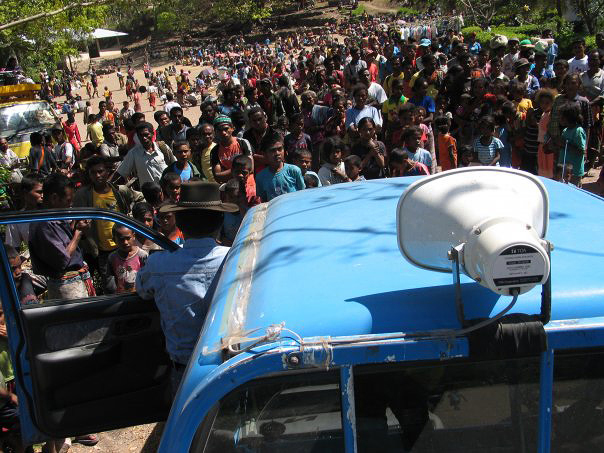
Cars with megaphones to educate the public: the best fit for Timor-Leste, photo Valerie Sticher/ISN

Next Tuesday, October 25th, the Overseas Development Institute (ODI) is hosting a free evening event examining the interplay of politics and development aid from a political economy perspective. Called “Putting Politics into Practice? Political Economy Analysis and the Practice of Development”, the event is being held at ODI’s London headquarters. Members of the public are welcome to attend.

What is political economy analysis? According to the DfID, it is the bridging of the traditional concerns of politics and economics, focusing “on how power and resources are distributed and contested in different contexts, and the implications for development outcomes. It gets beneath the formal structures to reveal the underlying interests, incentives and institutions that enable or frustrate change.”

“Putting Politics into Practice?” builds upon a previous dialogue convened by ODI in 2010 on how development actors might go about incorporating political insights into their work. While there has been growing recognition that aid effectiveness is intertwined with political context and culture, translating these insights into real changes in development practice has not been easy. This would mean, for example, that instead of working to rigid guidelines of ‘best practice’, development programs and projects should instead be based on models of ‘best fit’.