For a variety of reasons, many of today’s armed conflicts exist at the intersection between politics and economics. As part of this phenomenon, organized criminal activity in armed conflict is increasing rapidly and poses many challenges for policymakers. In this context, an important question is whether there is space for mediation in resolving conflicts in which organized criminal activity plays a significant role.
Drones were among the most popular Christmas gifts in 2014 — so popular, in fact, that British authorities warned recreational drone users to make sure to use their toys lawfully, or to expect hefty fines. Similarly, the US FAA released a video just before the holidays, teaching aspiring drone users how to “stay off the naughty list”. More and more people are becoming familiar with drones as the number of ‘hobby droners’ (yes, this is a term) grows. Businesses are discovering drones as well: drones carry mistletoe in restaurants (with questionable results), or are used to give real-estate buyers a better view of their property. Beyond this, hundreds if not thousands of commercial drone users are waiting in the wings for a few last technical details to be figured out (especially sense-and-avoid technology) and for the implementation of legal regulations allowing drones to share airspace with manned aircraft.
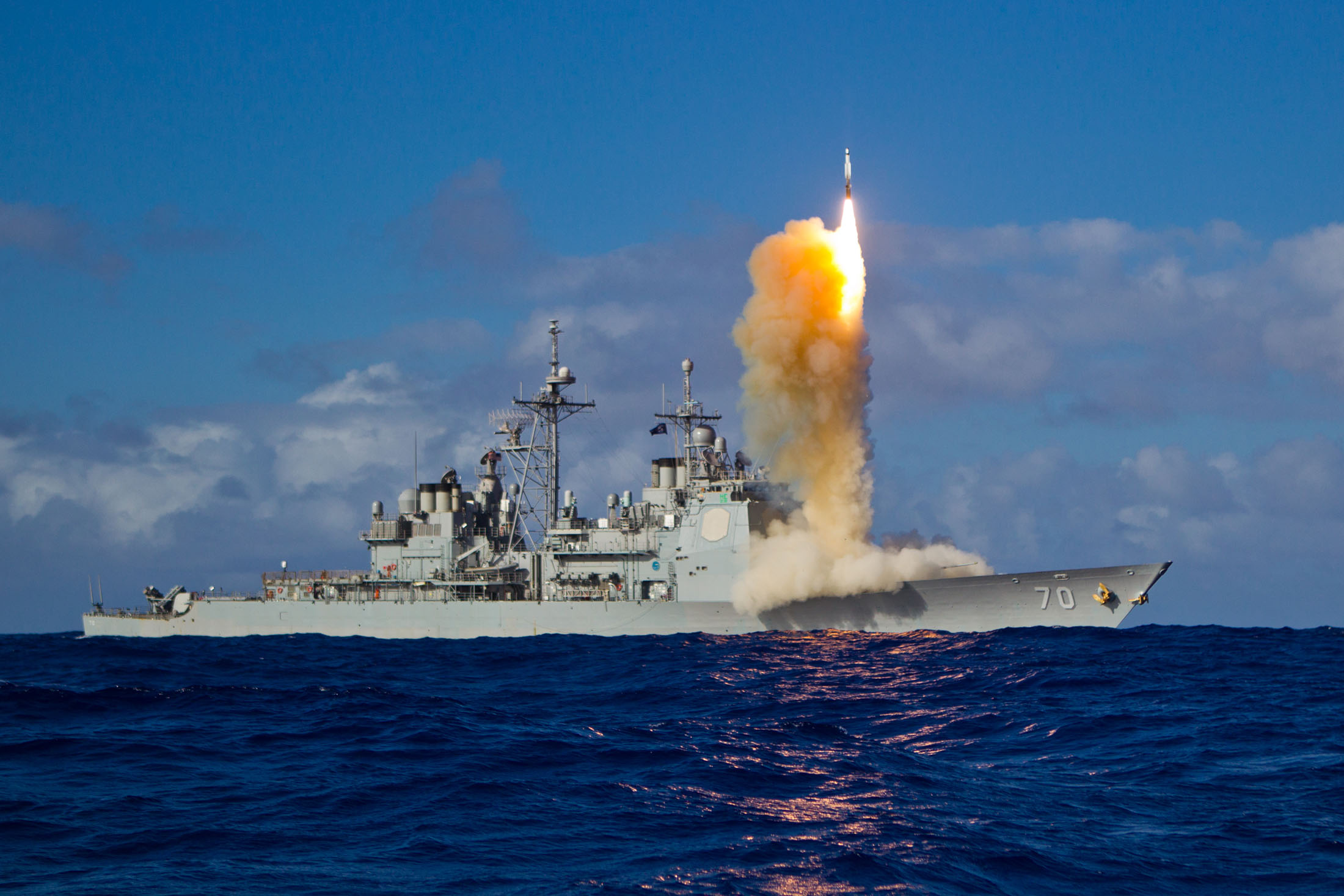
Ballistic missile firing from US military vessel, courtesy of NATO
NATO’s missile defense program remains mired in controversy because of its disputed costs, feasibility and strategic necessity, and because of how it has negatively impacted the Alliance’s relations with Russia. To discuss these and related issues, ETH Zurich’s Center for Security Studies (CSS) recently hosted an Evening Talk on the future of NATO missile defense. The guest speakers were Roberto Zadra, who heads the Ballistic Missile Defense Section in NATO’s Defense Investment Division, and Bruno Rösli, who is the Deputy Director of Security Policy for the Swiss Federal Department of Defense, Civil Protection and Sport.
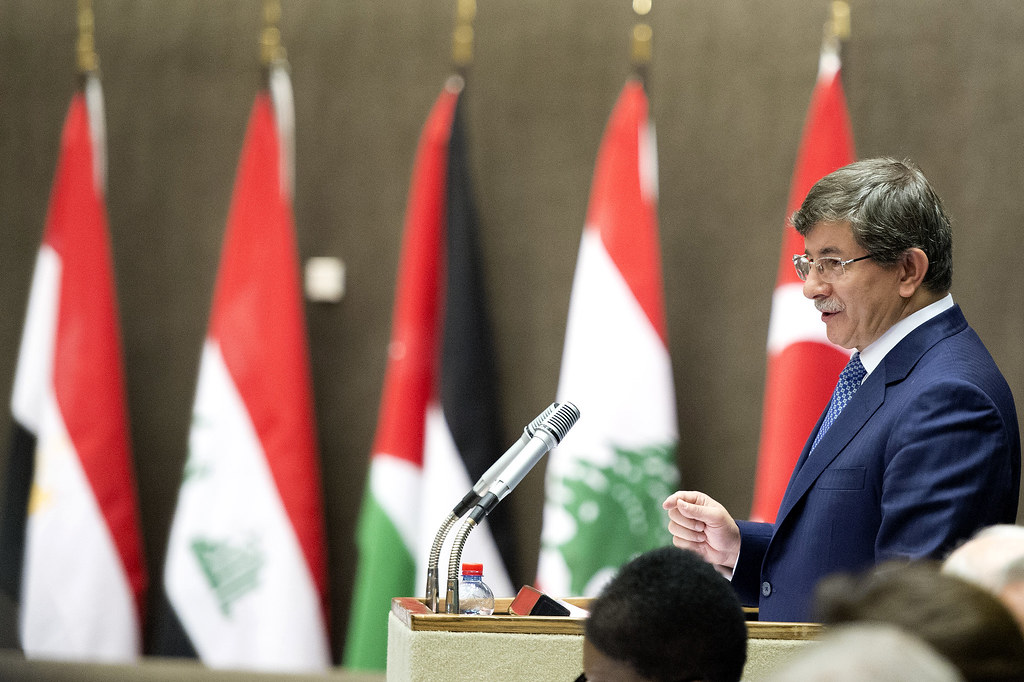
What has become of Turkey’s so-called ‘Zero Problems’ foreign policy? What should we think about the country’s evolving role as a regional actor? And when we ask the latter question, which region are we actually talking about? These questions were the focus of a recent discussion, sponsored by the Center for Security Studies, with Dr. Şaban Kardaş, who is an Associate Professor in the Department of International Relations at TOBB University of Economics and Technology in Ankara.
Dr. Kardaş argued that in order to answer these questions properly, we must understand the notion of Turkey as a ‘central’ country or power. In other words, we must recognize that Turkey’s geography and history seem to demand that Ankara play a leading role in its region. What Dr. Kardaş meant by a ‘region’, however, turned out to be quite expansive indeed.
Six years ago, in November 2008, a group of Pakistan-based terrorists landed at unsecured waterfronts in Mumbai, the financial capital of India, and attacked public places such as hotels, restaurants, and a railway station. Although the Indian security forces were quick to respond, the attack, popularly referred to as 26/11, exposed three significant gaps in India’s maritime security apparatus: a. the porous nature of India’s coastline; b. the poor surveillance of the maritime domain; and c. the lack of inter-agency coordination.