
Conflicting Goals

Image courtesy of e-Magine Art/Flickr. (CC BY 2.0)

This article was originally published by ETH Zurich’s Zukunftsblog on 11 May 2018. It is also available in German.

Safeguarding both humanitarian traditions and the interests of the domestic pharmaceutical industry creates tension in the Swiss health-related foreign policy, says Ursula Jasper.
Domesticating the Giant: The Global Governance of Migration

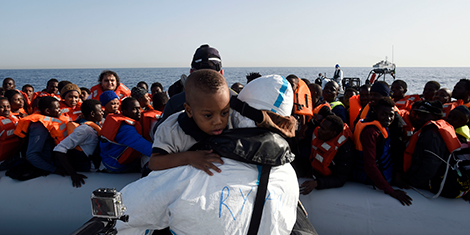
Image courtesy of the Irish Defence Forces/Flickr. (CC BY 2.0)

This article was originally published by the Council on Foreign Relations on 18 June 2018.

The Challenge

Migration is a natural and defining phenomenon of the globalized world. The challenge of governing migration lies in its inevitability, volume, and heterogeneity. As a portion of the global population, migrants represent around 3 percent, but their absolute number is rising. There were 170 million migrants in 2000; today there are roughly 260 million. Migration levels will certainly grow while hostilities continue in the most conflict-ridden regions of sub-Saharan Africa and the Middle East, the global wealth gap persists, climate change aggravates living conditions in many areas, and the poorer half of the globe becomes more populous.

Categories
CSS Blog

Mediation Perspectives: Training Secular Diplomats on the Religion-Peacebuilding Nexus

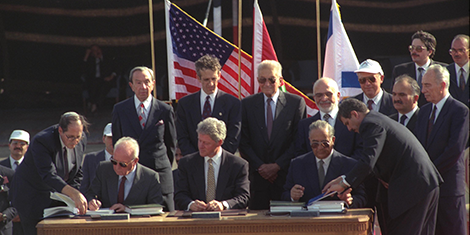
Image ‘Signing the Israel-Jordan Peace Treaty‘ courtesy of Government Press Office/Flickr. (CC BY-NC-SA 2.0)

Mediation Perspectives is a periodic blog entry that’s provided by the CSS’ Mediation Support Team and occasional guest authors. Each entry is designed to highlight the utility of mediation approaches in dealing with violent political conflicts. To keep up to date with the Mediation Support Team, you can sign up to their newsletter here.

The waters of international relations and diplomacy for peacebuilding can no longer be effectively navigated without understanding religion and its role in armed conflict. Some foreign ministries like those of Switzerland, Finland and Germany have started training their staff. However, many secular or non-religious diplomats who serve as their foreign ministries’ skippers in the peace processes their countries support are not equipped to deal with religion. This blog offers thoughts on why this is and where diplomats can receive the knowledge and skills they need.

What We Know – and Don’t Know – about Religious Civil Wars

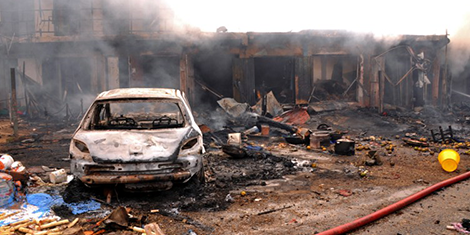
Image ‘Nigeria Unrest’ courtesy of Diariocritico de Venezuela/Flickr. (CC BY 2.0)

This article was originally published by Political Violence @ a Glance on 23 May 2018.

Ongoing civil wars in Syria, Mali, Afghanistan, the Philippines, Thailand, and Uganda illustrate the need to better understand religious dimensions of armed conflicts. In a recent article published in Journal of Conflict Resolution, we provide new data on religion and conflict worldwide – during the time period 1975-2015 – which can help inform our understanding of the religious dimensions of armed conflicts. Drawing on the data and findings presented in that article, we shed light on three widely held beliefs concerning religious conflicts.

Categories
Regional Stability CSS Blog

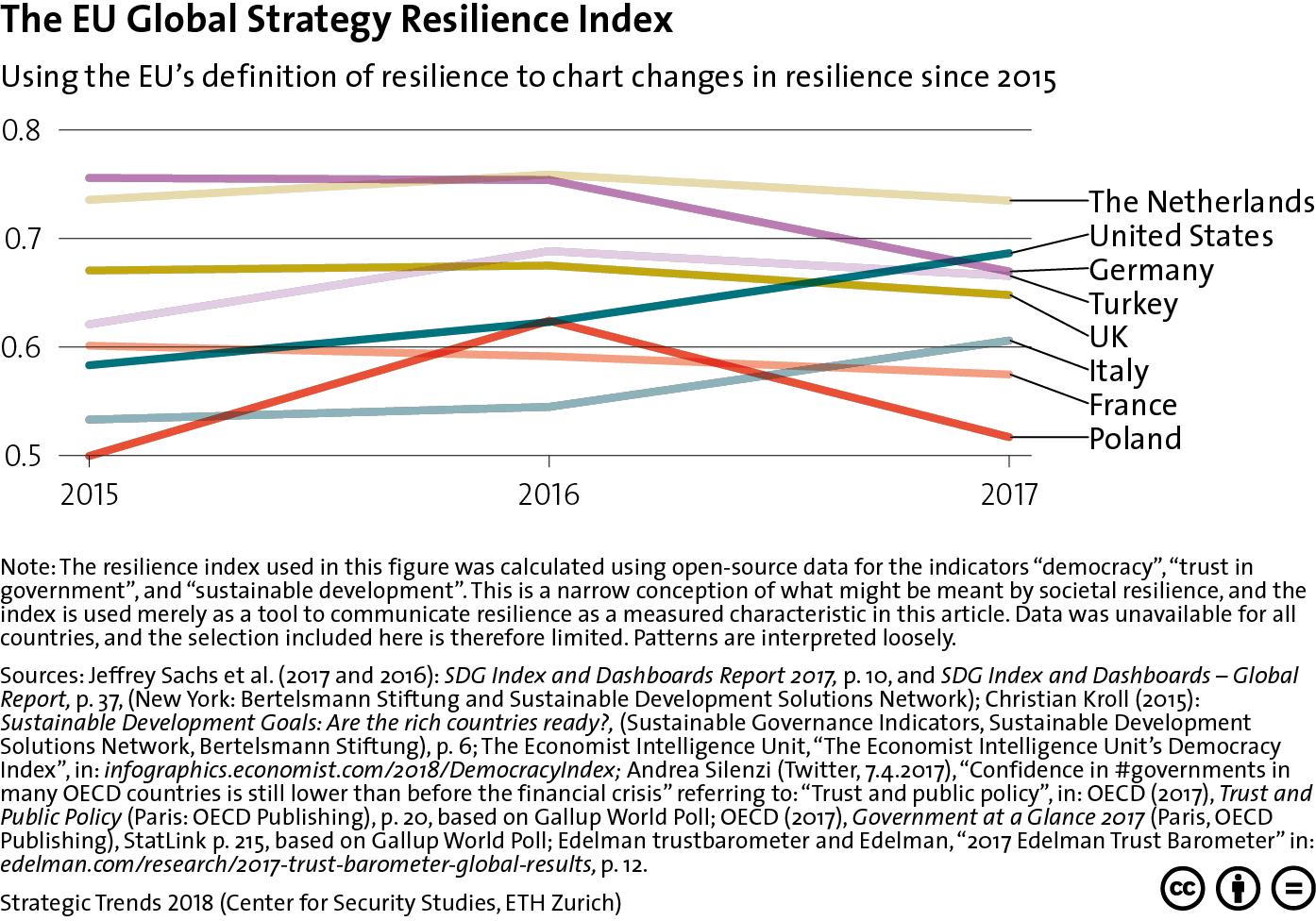
The EU Global Strategy Resilience Index

EmailFacebookTwitter

This graphic charts changes in resilience (using the EU’s definition of resilience) of select EU member states from 2015 to 2017. For more on the role of resilience in contemporary deterrence efforts, see Tim Prior’s chapter for Strategic Trends 2018 here. For more CSS charts, maps and graphics on defense policy, click here.