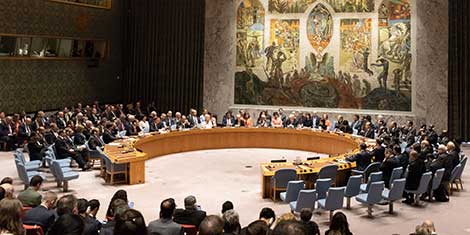
How Can the Security Council Engage on Climate Change, Peace, and Security?

Image courtesy of The White House/Flickr.

This article was originally published by the IPI Global Observatory on 20 June 2019.

There are no shortages of statistics and data on the increasing rapidity with which our climate is changing, or on its effects. While rising sea levels, shrinking glaciers, and extremes in temperature are well-chronicled, the cascading impacts that a transformed climate will have on global peace and security are less clearly understood. This is all the more important since the Paris Agreement and the 2030 Agenda for Sustainable Development provide frameworks for addressing climate change for the international community, yet stop short of including peace and security. In light of its mandate, the extent to which the United Nations Security Council can or should take steps on climate-related peace and security issues is an increasingly urgent question.
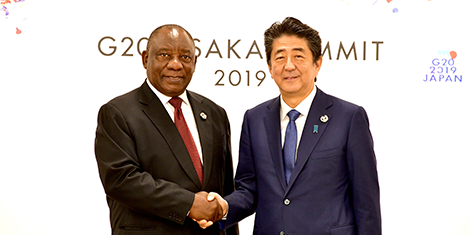
G20 Compact with Africa is a Long Game

Image courtesy of South African Government/Flickr. (CC BY-ND 2.0)

This article was originally published by the Institute for Security Studies (ISS) on 5 July 2019.

Africa’s ‘development partners’ still struggle to define and manage their relationship with the continent. This was apparent at the G20 summit in Osaka that ended on Saturday.

The G20 has been accused of treating Africa exclusively as a development problem, thereby excluding it as an equal participant from deliberations about climate change, the future of work, the global trading system and other mammoth issues the G20 presumes to be capable of addressing.

Categories
CSS Blog

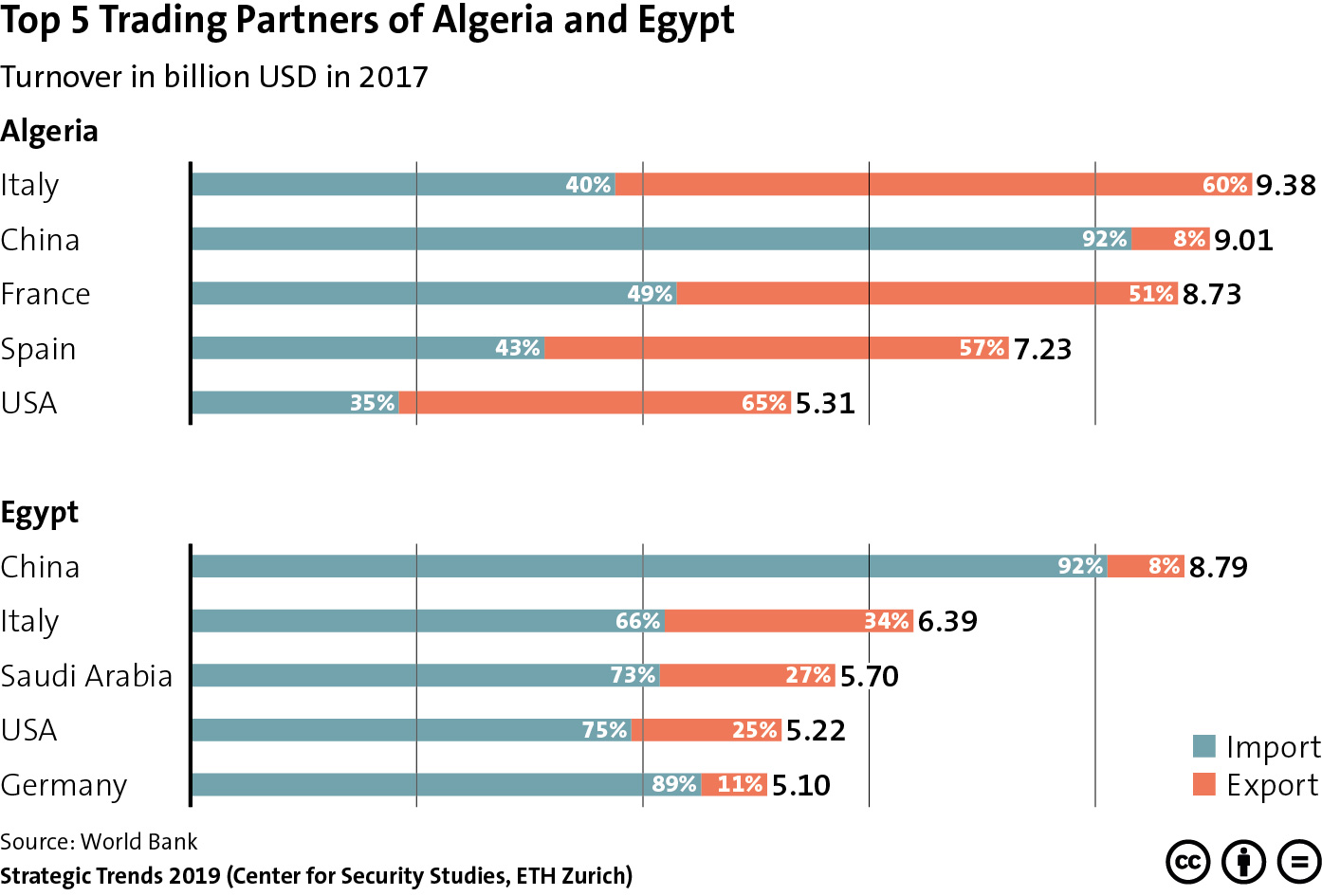
Top 5 Trading Partners of Algeria and Egypt

EmailFacebookTwitter

This week’s featured graphic provides an overview of Algeria and Egypt’s top trading partners. Russia’s absence from the top five trading partners list of either country highlights that despite Moscow’s revival of its ties with Cairo and Algiers, it remains overshadowed by other actors in the economic sphere. To find out more about Russia’s strategy in the Middle East and North Africa, read Lisa Watanabe’s chapter for Strategic Trends 2019 here.

Categories
CSS Blog

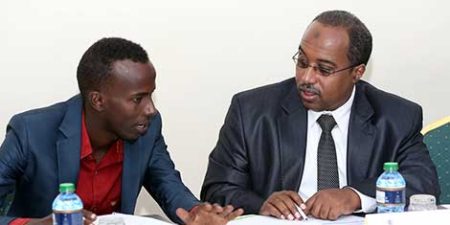
Mediation and Governance in Fragile Contexts: Small Steps to Peace

Image courtesy of AMISOM Public Information/Flickr.

This article was originally published in Conflict Trends 2019/1 by the African Centre for the Constructive Resolution of Disputes (ACCORD) on 24 June 2019.

“The small is as important as the bigger picture. It is these smaller things, if they are coordinated, that can lead to the transformation of the bigger picture” (p. 10). These are the first two sentences of a recently published book on mediation in fragile contexts, written by Kenyan-Somali peacebuilder, Dekha Ibrahim Abdi, and Swiss researcher-practitioner, Simon Mason. These opening lines capture the essence of the book. The book is broadly concerned with how to deal with violent societal conflict ranging from intercommunity and community-state to nationwide ethnopolitical conflict. A common thread throughout the book is how small steps in peace processes taken by mediators and conflict parties from the bottom up can eventually lead to peace.

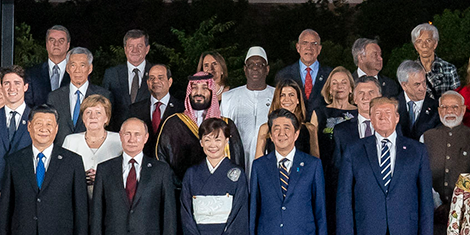
The Year 2025 Will Be Like 2019, Only More So

Image courtesy of The White House/Flickr.

This article was originally published in The Strategist by the Australian Strategic Policy Institute (ASPI) on 13 June 2019.

For ASPI’s 2019 conference, ‘War in 2025’, I was asked to identify the geopolitical realities that will shape the world of that year. Here I outline some of the strategic constants which—barring major catastrophes—will still most likely be in place in six years’ time.