A few months after the European Parliament elections, and a few weeks before a new European Commission is fully operational, the European Union is facing old and new challenges, both domestic and international.
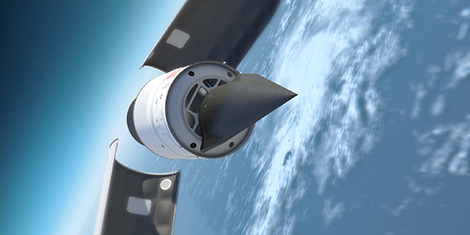
Hypersonic flight is not new. The V-2 rocket and the vast majority of the ballistic missiles that it inspired achieved hypersonic speeds (i.e., speeds faster than the speed of sound or Mach 5+) as they fell from the sky, as did crewed aircraft like the rocket-powered X-15. Rather than speed, today’s renewed attention to hypersonic weapons owes to developments that enable controlled flight. These new systems have two sub-varieties: hypersonic glide vehicles and hypersonic cruise missiles. Glide vehicles are the cousins of ballistic warheads: they are lofted on high velocity boosters, separate, then use momentum and control surfaces to skip and glide through the upper atmosphere before crashing onto their targets. The cruise missiles use an advanced propulsion system (a SCRAMJET) for powered flight. While the descriptions are straightforward, the engineering needed to accomplish the guidance and maneuvering (not to mention survivability) of these weapons is far from clear.
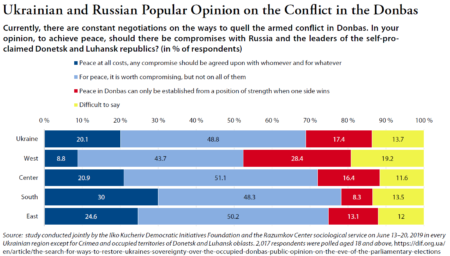
This graphic outlines the findings of a survey of Ukrainian and Russian public opinion on the conflict in the Donbas. For more, read the new issue of the Russian Analytical Digest ‘Russia-Ukraine‘.
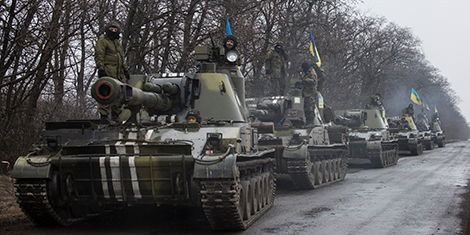
Kyiv has accepted the Steinmeier formula, a mechanism for jump-starting implementation of the peace deal for parts of eastern Ukraine held by Russian-backed separatists since 2014. This decision is welcome, but the Ukrainian government should step carefully to boost chances of a settlement.
The US Department of Defense is playing a predominant role in US foreign policy due to expanded mandates, large budgets and the disparagement of diplomacy by the Trump Administration. Defense relations may be the steadier foundation for transatlantic cooperation.