Violent Straw Men? Sex Ratios, Conflict, and a Methodological Disconnect

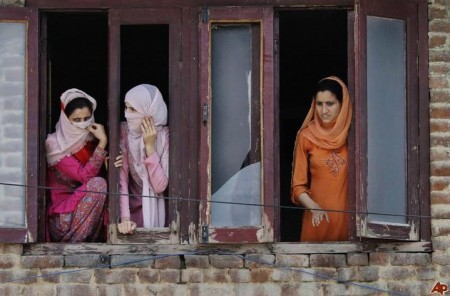
Kashmiri women watching a rally in Srinagar, courtesy of Kashmir Global/flickr

This article was originally published April 23 2014 by New Security Beat, the blog of the Environmental Change and Security Program (ECSP) at the Wilson Center.

The emerging subfield of “security demographics” is interested in how demographic trends, such as youth bulges, high or low fertility rates, and sex ratios affect the security and stability of nation-states and regions. In our research, Andrea Den Boer and I have attempted to show that abnormally high sex ratios – situations where there are significantly more men than women – have been a security concern in the past and may affect security and stability in the future.

Water Wars? Think Again

Refugees collect water, courtesy of Oxfam East Africa/flickr

This article was originally published April 15 2014 by New Security Beatby, the blog of the Environmental Change and Security Program (ECSP) at the Wilson Center.

The global water wars are almost upon us!

At least that’s how it seems to many. The signs are troubling: Egypt and Ethiopia have recently increased their aggressive posture and rhetoric over the construction of the Great Ethiopian Renaissance Dam in the headwaters of the Blue Nile, Egypt’s major artery since antiquity. India continues to build new dams that are seen by its rival Pakistan as a threat to its “water interests” and thus its national security. Turkey, from its dominant position upstream, has been diverting the Tigris and Euphrates rivers and increasing water stress in the already-volatile states of Iraq and Syria.

It has been claimed for decades that a confluence of factors, including water scarcity, societal unrest, and strategic maneuvering, will inevitably push states and other actors to act aggressively, perhaps even violently, to secure precious water resources. So are we finally witnessing the first flashes of the coming age of water wars?

Categories
CSS Blog

Mediation Perspectives: Fighting ‘Feminist Fatigue’

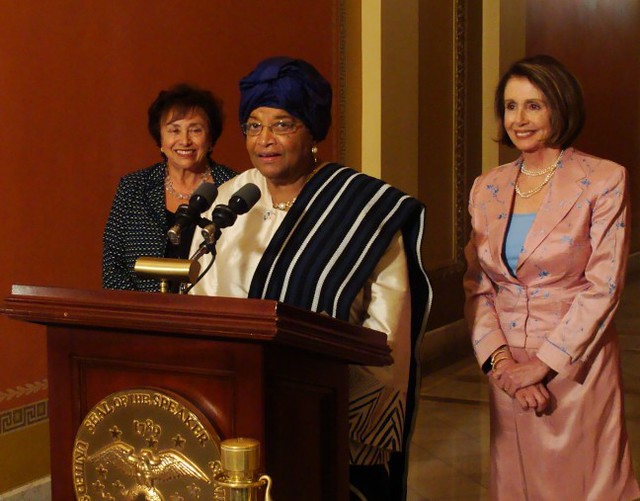
Photo: Nancy Pelosi/flickr

Despite decades of advocacy, why are women still so poorly represented at the peace table? In 2012, UN Women reported that women accounted for just four per cent of participants in 31 major peace processes between 1992 and 2011. Why is this number so low despite international mechanisms like United Nations Security Council Resolution 1325 and the Convention on the Elimination of All Forms of Discrimination against Women?

A partial answer to this question may be found in the shortcomings of certain approaches to promoting women’s rights.  In particular, the effectiveness of some strands of academic and policy literature on women, peace and security (WPS), and related advocacy campaigns that push for greater representation and participation of women at the peace table, can be questioned.

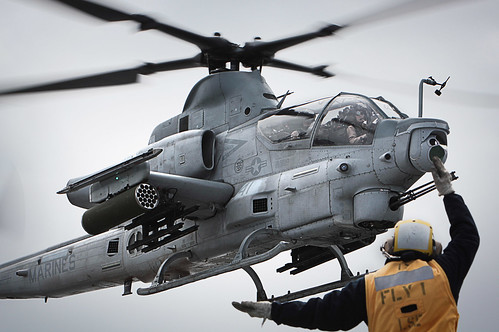
An Attack Reconnaissance Helicopter for Tomorrow’s Conflict

Marine attack helicopter landing aboard ship

This article was originally published April 18 2014 by Small Wars Journal

In January the Army Aviation Center of Excellence announced its plan to divest the army inventory of the OH-58D Kiowa Warrior in favor of an attack and reconnaissance aviation force consisting of the AH-64 Apache and unmanned aircraft systems. The announcement drew both criticism and praise from various blogs and media sources. Most of this commentary centered on questions of the ability of the Apache helicopter and UAS to fulfill the aerial scout role,
and whether or not the Kiowa Warrior is truly obsolete. It is arguable however that the decision was driven as much by fiscal austerity as battlefield requirements.

Categories
Humanitarian Issues

Somalia: Why Orthodox Aid Policy Must Give Way to Battlefield Reality

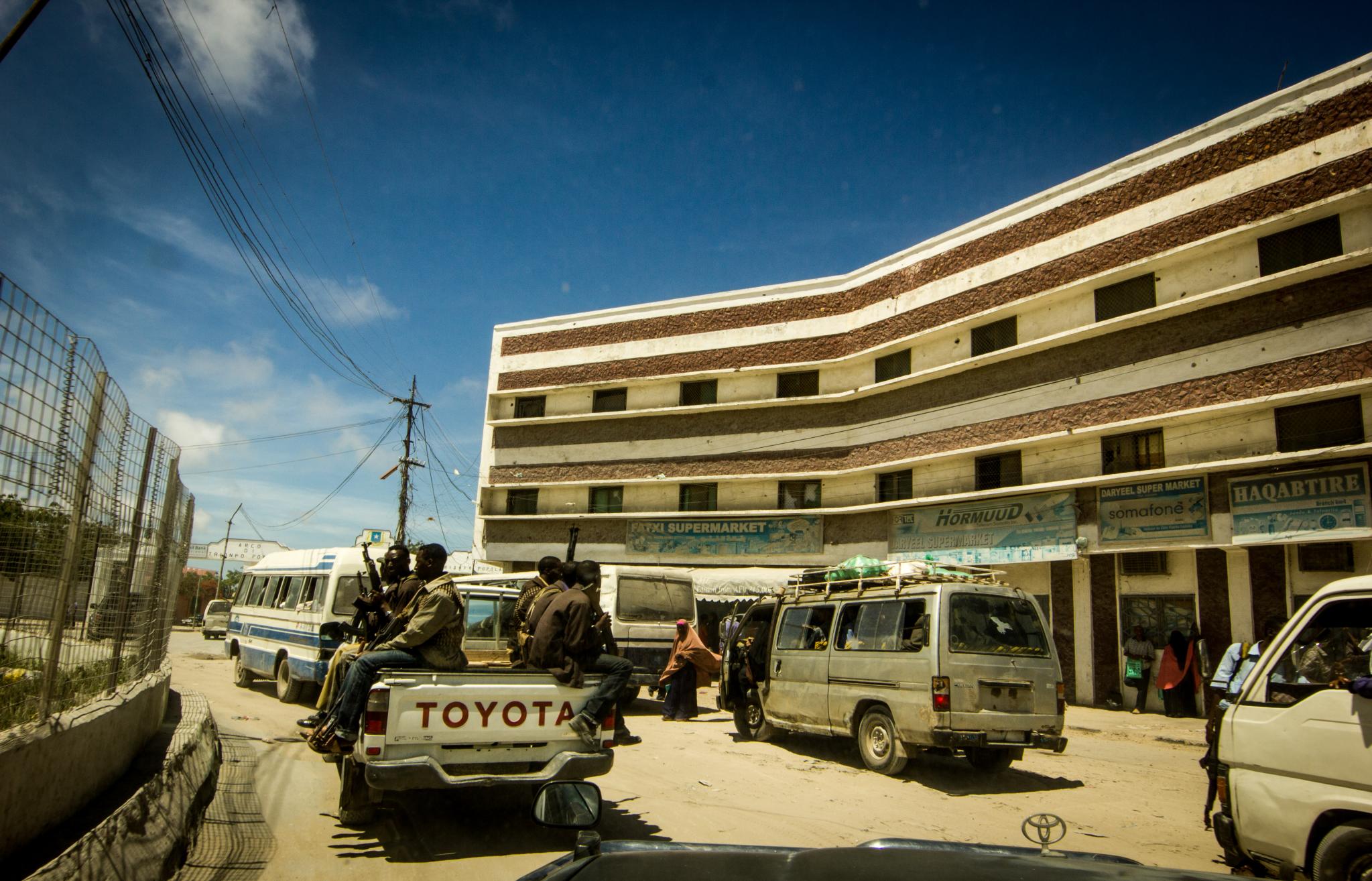
Mogadishu in May 2013, courtesy of TEDxPhotos/flickr

This article was originally published 17 April 2014 by the Institute for Security Studies (ISS)

Jens Mjaugedal, Special Envoy of Norway to Somalia, is frustrated… which is hardly surprising given his mission to try to turn Somalia, which has officially been the world’s most failed state for many years, into a success. The biggest problem in Somalia is how to keep the deadly al-Qaeda-affiliated, Islamist militant group al-Shabaab at bay.

The African Union’s robust peacekeeping mission in Somalia (AMISOM) expelled al-Shabaab from Mogadishu two years ago, and is now engaged in a major offensive to try to rid the country of the scourge altogether. AMISOM claims to have liberated 10 strategic towns so far, though the war is very far from won.