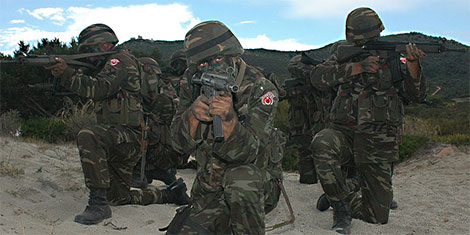

This article was originally published by the European Council on Foreign Relations (ECFR) on 25 January 2018.
What Turkey’s intervention means for Syria, the Kurds, and Ankara.
 CSS Blog Network
This article was originally published by the European Council on Foreign Relations (ECFR) on 25 January 2018.
What Turkey’s intervention means for Syria, the Kurds, and Ankara.
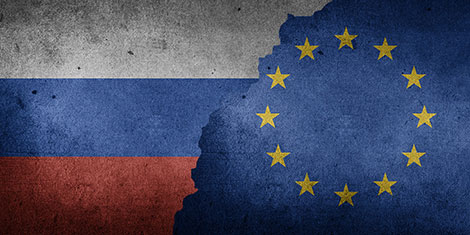
This article was originally published by the Carnegie Moscow Center on 17 January 2018.
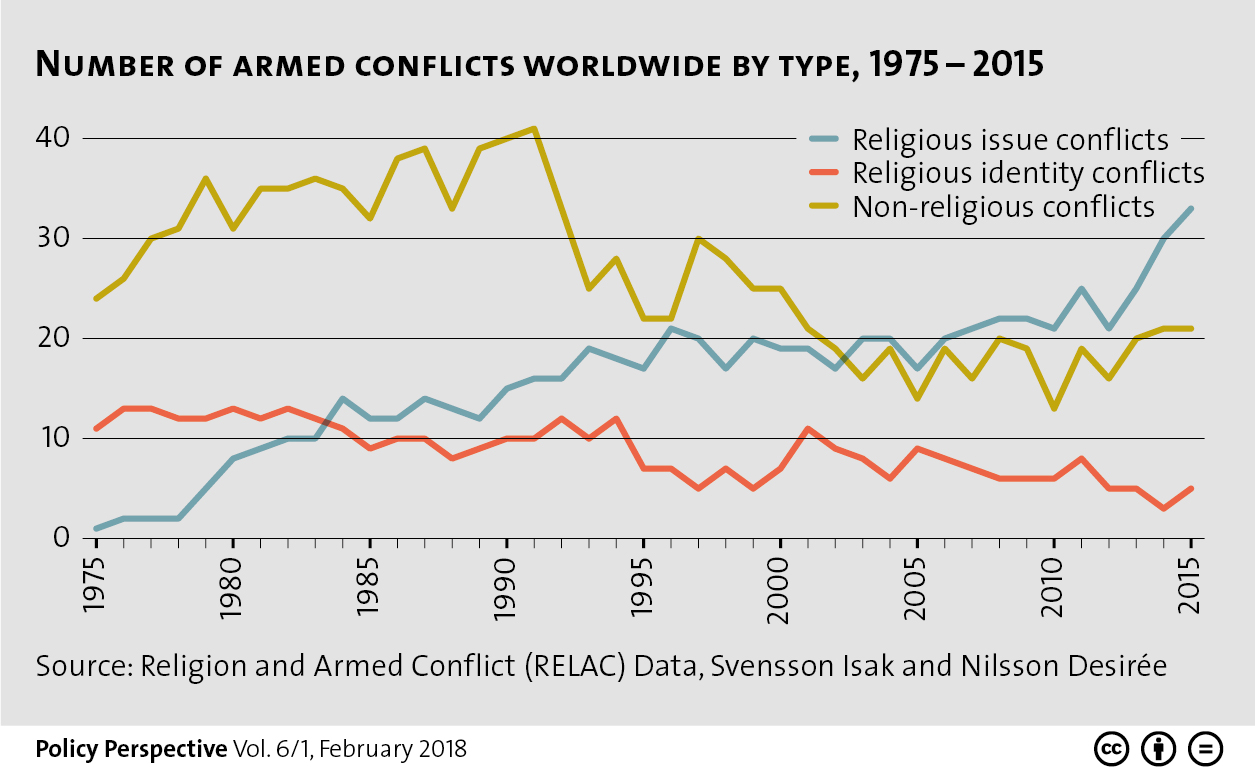


This graphic presents a breakdown of different types of armed conflict occurring worldwide from 1975-2015. To find out more about the role of religion in armed conflict, check out Jonas Baumann, Daniel Finnbogason and Isak Svensson’s newest addition to our CSS Policy Perspectives here. For more graphics on peace and conflict, check out the CSS’ collection of graphs and charts on the subject here.
This article was originally published by Geopolitical Futures on 26 January 2018.
Less than a week after Turkey began its invasion of Afrin – the northwestern pocket of Syria that borders Turkey and is controlled by the Kurdish People’s Protection Units, or YPG – NATO has voiced its consent of the operation. On a visit to Istanbul, NATO Deputy Secretary General Rose Gottemoeller told a Turkish newspaper that NATO recognizes the threat terrorism poses to Turkey. While the language Gottemoeller used wasn’t highly specific, she was referring to the threat posed to Turkey by the Kurdistan Workers’ Party, or PKK, an internationally recognized terrorist group. Over the past three decades, the PKK has led an insurgency that has caused the deaths of roughly 40,000 people.

This article was originally published by War on the Rocks on 29 January 2018.
Much ink has been spilled in the last 12 months over whether President Donald Trump can have a grand strategy and, if so, what form it takes — or should take. Before Trump had even assumed office, Micah Zenko and Rebecca Lissner accused the president of “strategic incoherence” and a transactional approach to international relations focusing on bilateral deals. Hal Brands differed from this view by characterizing Trump’s grand strategy as “resurgent nationalism,” while other scholars argued that the president is following a Jacksonian tradition of American foreign policy based on “national honor” and “reputation.” More boldly, Richard Burt, a Cold Warrior who served at the highest levels of the U.S. national security establishment, harkened back to Nixon and Kissinger in prescribing “a grand strategy of great-power balancing” or else “all bets are off.”