
Categories
Uncategorized

Filtering the ISN to fit your needs – Find Information

Find information

With over thirty thousand content objects in a variety of formats, the ISN holds a vast repository of data on international security research. But how do find what you’re looking for?

To enable you to locate articles, publications or podcasts for your specific area of interest, the ISN provides a filtering tool called “Find information”. The “Find information” box is located on the top right of the ISN website. First, select the most important criterion for your research, either subject or region. After clicking on your item of choice, you are presented with the topmost level of region or subject matter. To narrow down your research area, you can choose a more focused region in the tree view in the left pane. In the example below, we first chose “Africa” as a region and then narrowed the search to “Southern Africa”.

Easily filter by regions
Define the main criteria for your search and easily enhance the filtering.

You could also narrow down the region even further. e.g. by choosing Angola or Comoros, but we will leave this for now and turn to the second filtering option, by subject. The subject tree is right above the region tree in the left pane. Clicking on a subject now will add this filter to the already selected region.


Categories
Uncategorized

This Week in ISN Insights…

It's week 18 on our editorial calendar, Photo: Leo Reynolds/flickr

Coming up this week in our ISN Insights coverage:

On Monday, Washington, DC-based intelligence analyst Anna Dunin takes on the thriving business of mercenarism in sub-Saharan Africa.

The Jamestown Foundation’s Roman Muzalevsky analyzes the potential impact of the Arab uprisings on Central Asian authoritarianism, on Tuesday.

On Wednesday, The Graduate Institute’s Paolo Cravero examines Italy’s sagging democracy under the weight of Berlusconi.

Dr Rupakjyoti Borah of Manipal University takes a closer look at India’s thirst for nuclear energy despite the cautionary tale of Fukushima – and how Australia could help quench it, on Thursday.

And in case you missed any of last week’s articles, you can find them here on: Gaddafi’s influence in sub-Saharan Africa; controversy over UNESCO’s declaration that Rachel’s tomb is a mosque; the case for UN reconsideration of the Zimbabwean matter; and a podcast on asylum seekers’ rights and states’ responsibilities to them.

Categories
Uncategorized

This Week in ISN Insights…

It's week 17 on our 2011 editorial calendar, Photo: Leo Reynolds/flickr

With the Easter holiday behind us, ISN Insights returns to our weekday coverage starting today:

  • Tuesday’s article was researched on the ground in Kigali by Jon Rosen, who examines Gaddafi’s legacy as a steadfast patron of sub-Saharan African governments.
  • Dr Shalva Weil of Hebrew University explores the ancient history surrounding the Tomb of Rachel on Wednesday – a site that UNESCO declared a mosque last year, further heightening tensions.
  • On Thursday we welcome an opinion piece about why the UN should reconsider punitive measures against Zimbabwe, by Michael Walsh of Johns Hopkins School of Advanced International Studies.
  • And Susin Park, head of the UNHCR Office for Switzerland and Liechtenstein, discusses the UNHCR’s mandate to safeguard the rights and well-being of asylum seekers and refugees in our Friday podcast.

You can also catch-up on last week’s articles here: on the Libyan ‘test‘ for India’s foreign policy; the growing attraction of more community health workers in the developing world; the power and dangers of Rio’s new Police Pacification Units; and the fiscal policy shenanigans of Europe’s central bankers.

Categories
Uncategorized

Easter Publishing Hiatus

Happy Easter from the ISN, Photo: Jim Deane/flickr

In keeping with the Swiss national holiday that marks Easter weekend, The ISN will be on publishing hiatus from Friday, 22 April-Monday, 25 April. We look forward to resuming our regular publishing schedule on Tuesday the 26th.

From all of us at the ISN, a happy spring weekend to you and yours!

Categories
Uncategorized

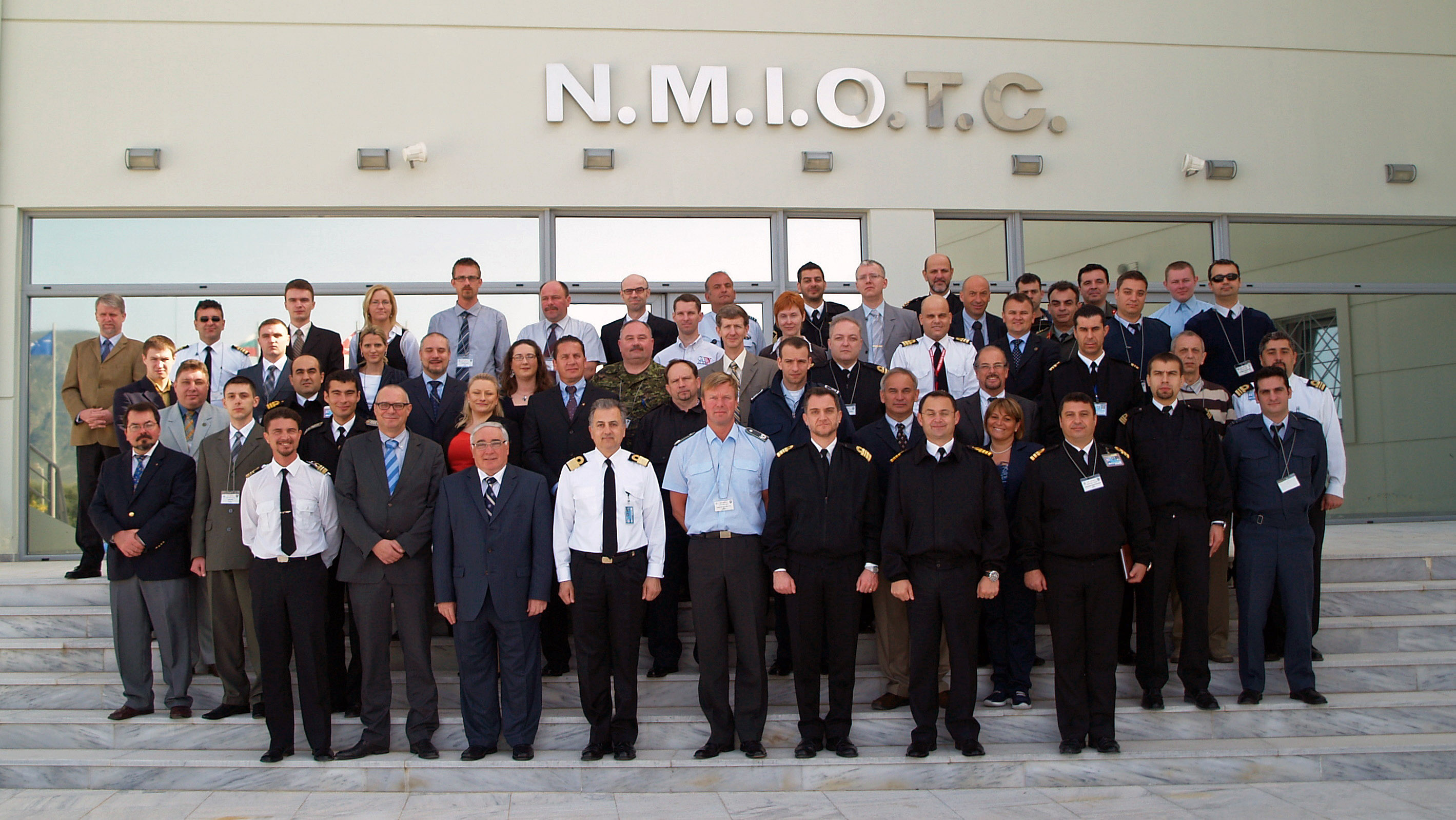
CDT Training in Crete: Close to 50 participants trained on how to produce online courseware

From April 12 to 14 a total of 48 professionals participated in the Cooperative Development Team Training at the NATO Maritime Interdiction Operational Training Center (NMIOTC) in Crete. An intense three-day program provided them with an insight into the theories and processes of producing ADL courses as well as with first-hand practical experience.

Participants from 12 countries. 4th from left: Commodore Adrianos Poulos, commandant of the hosting NMIOTC. Photo: NMIOTC

About ADL and e-learning

Advanced Distributed Learning (ADL) is e-learning based on the SCORM standard. This standard, established and maintained by ADL Labs in the US on the basis of a US DoD initiative, is well established in NATO and also represents the production standard of the PfP Consortium’s ADL Working Group. Advanced Distributed Learning to this standard supports interoperability of content accross compliant NATO and non-NATO platforms as well as flexibility when it comes to combining content for different audiences and learning scenarios.

About the CDT Training

Based on the proven collaboration in establishing ADL capability within NATO and PfPC countries, the event was organized and conducted as a joint project of NATO SACT, US Joint Forces Command, the International Relations and Security Network (ISN) from Switzerland and the US DoD ADL Initiative. The NATO Maritime Interdiction Operational Training Center (NMIOTC), located at Souda Bay near Chania, Crete, hosted the event and provided the infrastructure for lectures and practical sessions.