
Categories
CSS Blog Cyber

Wrong Turn or Right Lane? Defending Forward against Cybercriminals Abroad

Image courtesy of TheDigitalArtist/Pixabay.

This article was originally published by RealClearDefense on 9 May 2020.

On April 7, the Australian Minister of Defense acknowledged – for the first time ever – that the Australian Signals Directorate (ASD) used its offensive cyber capabilities to disrupt foreign cybercriminal infrastructure responsible for malicious cyber activities exploiting the COVID-19 pandemic.1 While details on the operation are sparse, what we do know is that ASD “stopped the criminals from accessing their own systems and prevented them from accessing information they stole.”2 What we do not know is the how, the where, the when, and what exactly triggered ASD into action.
Categories
Disclaimer Coronavirus CSS Blog

Die Verwundbaren schützen, Resilienz stärken: COVID-19 und die Lehren aus früheren Krisen

Die gegenwärtige COVID-​19 Pandemie macht die Notwendigkeit einer effektiven und gesamtgesellschaftlich verankerten Risikovorsorge offensichtlich. In unserem ersten CSS Brown Bag Webinar analysierte Florian Roth, Senior Researcher im Risk and Resilience Team des CSS, Bedürfnisse sowie Fähigkeiten der Bürgerinnen und Bürger in Hinblick auf Katastrophen und Notlagen.

Categories
CSS Blog

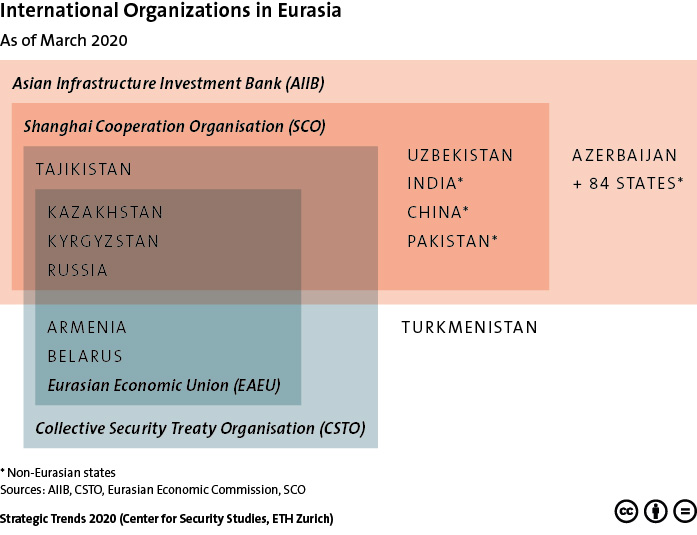
International Organizations in Eurasia

This graphic maps the participation of Eurasian states in different international organizations, such as the Asian Infrastructure Investment Bank (AIIB), the Shanghai Cooperation Organization (SCO), the Collective Security Treaty Organization (CSTO) and the Eurasian Economy Union (EAEU).
For an insight into the impact of China’s Belt and Road Initiative (BRI) in Eurasia, read Benno Zogg’s chapter in Strategic Trends 2020, which can be found here.

Categories
Coronavirus CSS Blog

The US-China Clash over Corona Has Implications for Nuclear Arms Control

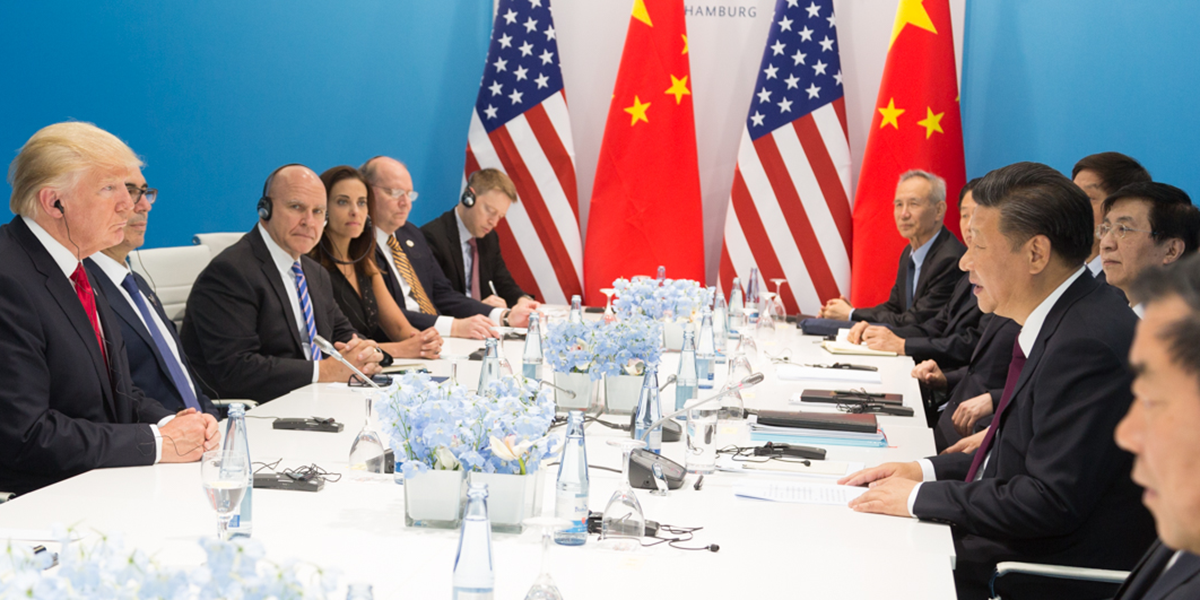
Image courtesy of the White House/Flickr.

This blog belongs to the CSS’ coronavirus blog series, which forms a part of the center’s analysis of the security policy implications of the coronavirus crisis. See the CSS special theme page on the coronavirus for more.

US-China relations are at a new low-point following the global spread of the coronavirus, which first emerged in the Chinese city of Wuhan in December 2019. The pandemic has exacerbated tensions in what was already a fragile relationship, plagued by disputes on issues related to the South China Sea, Taiwan, trade, and 5G technology. Nuclear weapons, however, were not featured as a central element of the US-China confrontation, at least not at same level as other issues of contention, but this is likely to change. A recent call for China to drastically increase its nuclear arsenal published in the nationalistic Chinese newspaper the Global Times has revived a domestic debate on Chinese nuclear deterrence, highlighting concerns over perceived US hostile behavior.

Categories
CSS Blog

Strategic Trends 2020: Wie wahrscheinlich ist ein Krieg zwischen den USA und China?

In diesem Podcast analysieren die CSS-Experten Oliver Thränert, Michael Haas und Niklas Masuhr die Beziehungen zwischen den USA und China und mögliche Ursachen für einen militärischen Konflikt zwischen beiden Grossmächten. Das Gespräch basiert auf dem kürzlich im Rahmen der Publikation «Strategic Trends 2020» erschienenen Kapitel «US-China Relations and the Specter of Great Power War» von Michael Haas und Niklas Masuhr. Strategic Trends ist eine Jahrespublikation des Center for Security Studies der ETH Zürich, die sich wichtigen weltpolitischen Entwicklungen widmet. Strategic Trends 2020 lesen Sie hier.