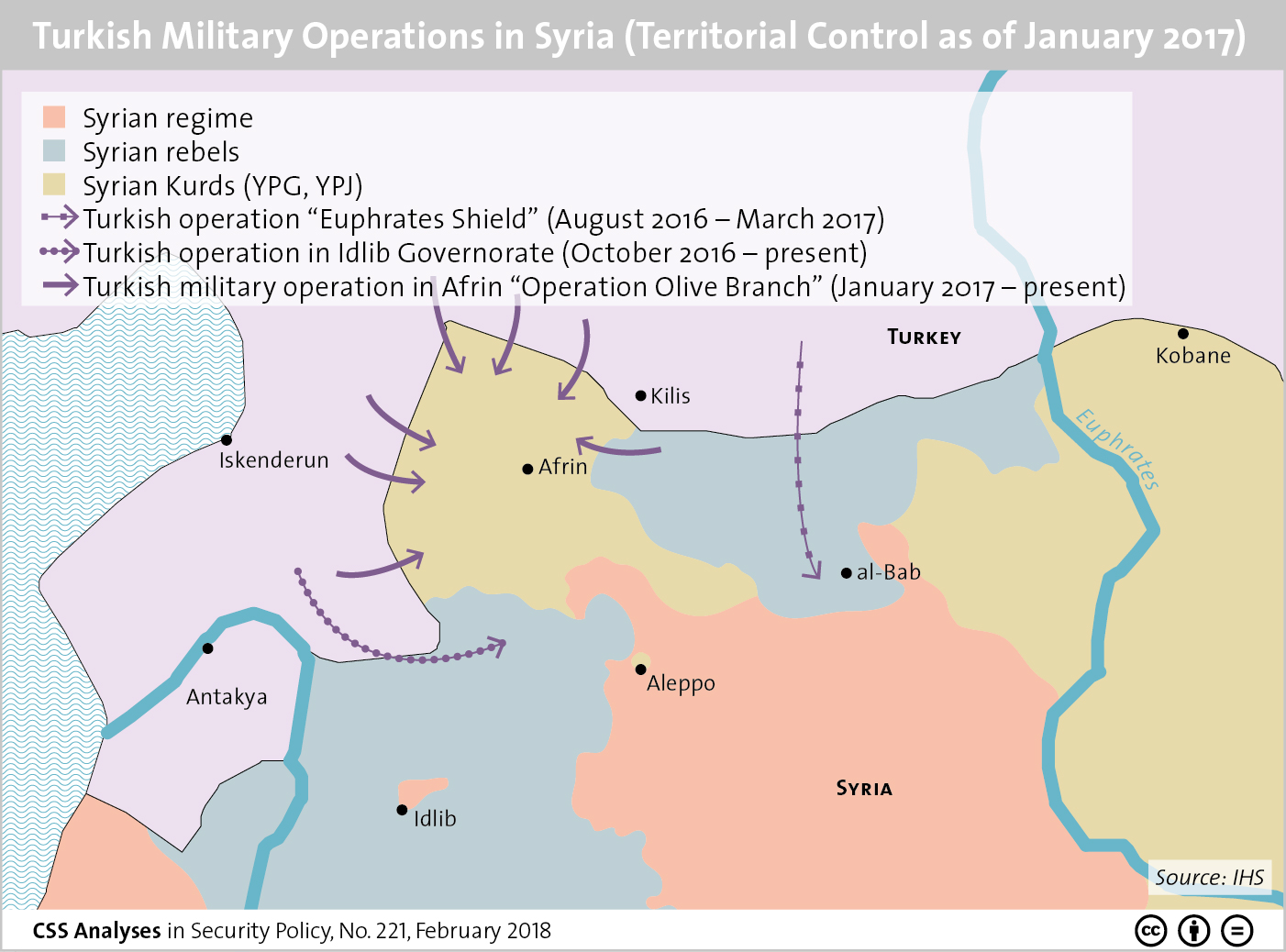
This graphic maps Turkish military operations taking place in Syria between 2016 and 2018. To find out more about Turkey’s security situation and its military operations in Syria, see Fabien Merz’s recent addition to our CSS Analyses in Security Policy series here. For more graphics on defense policy, see the CSS’ collection of graphs and charts on the subject here.
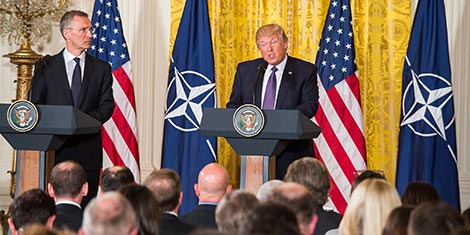
Europe has been in the news plenty recently, with the NATO Defense Ministerial, the Munich Security Conference, and senior Trump administration officials fanning out across Europe to represent the president at these august gatherings. The unifying theme in most of these meetings was allied progress in reaching the NATO goal of spending 2 percent of GDP on defense — the Trump administration’s litmus test in gauging an ally’s commitment to NATO and determining America’s reciprocal commitment to that ally. The 2 percent goal was agreed to in 2014 at NATO’s Wales Summit. A Trumpian twist was delivered by Secretary of Defense Jim Mattis at his first NATO defense ministerial: “If your nations do not want to see America moderate its commitment to this alliance, each of your capitals needs to show support for our common defense.” In the words of the New York Times, “… NATO Allies to Spend More, or Else.”
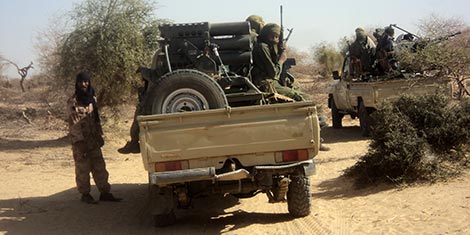
In discussions of Mali’s chronic problems, one factor tends to be overlooked: organized crime. Illicit activities have a long tradition in remote areas across the Sahel. Mali’s vast north, an area larger than France, is sparsely populated, and historically marginalized by the Malian state. Many people survive by smuggling items like subsidized food or cigarettes. Criminal rents are how people make a living in the marginalized north, but have also funded a myriad of armed groups and corruption networks. Efforts by international actors like the United Nations Multidimensional Integrated Stabilization Mission (MINUSMA), or by regional alliances like the G5 Sahel, increasingly recognize the threat organized crime poses to regional security, governance, and economic development. But why have their efforts fallen short?
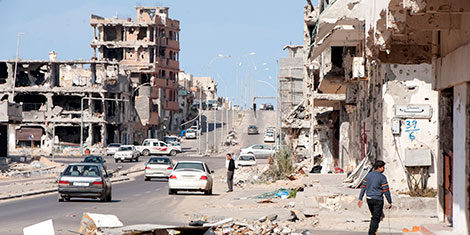
Conflict has had devastating impacts on the populations of Libya and Syria, but it has also provided opportunities for new actors within their burgeoning war economies. In Libya, the removal of the Gaddafi regime, the proliferation of armed groups and the erosion of the state’s coercive capacity have produced an environment conducive for a new set of conflict entrepreneurs and armed actors to build new – or expand upon existing – forms of revenue. In Syria, the collapse of state authority and ongoing civil conflict has similarly led to the creation of new armed groups and a wide range of new economic elites, some aligned with the regime and others with a wide array of opposition groups. Others have generated significant revenues through their ability to deal across frontlines. The rise to prominence of these actors has, in many cases, entrenched negative incentives for the perpetuation of conflict and the disruption of conflict mediation efforts.
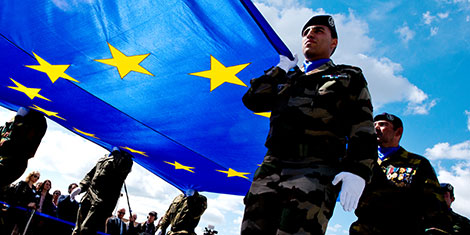
It is time to move past institutional integration and develop practical European security capabilities.
Europe is facing multiple security challenges. Russia aims to undermine the European security order and has shown its willingness to violate other countries’ sovereignty and increase its nuclear power. The Middle East and North Africa are on fire, homegrown terrorism threatens the streets of Europe, and cyber and information warfare are on the rise.