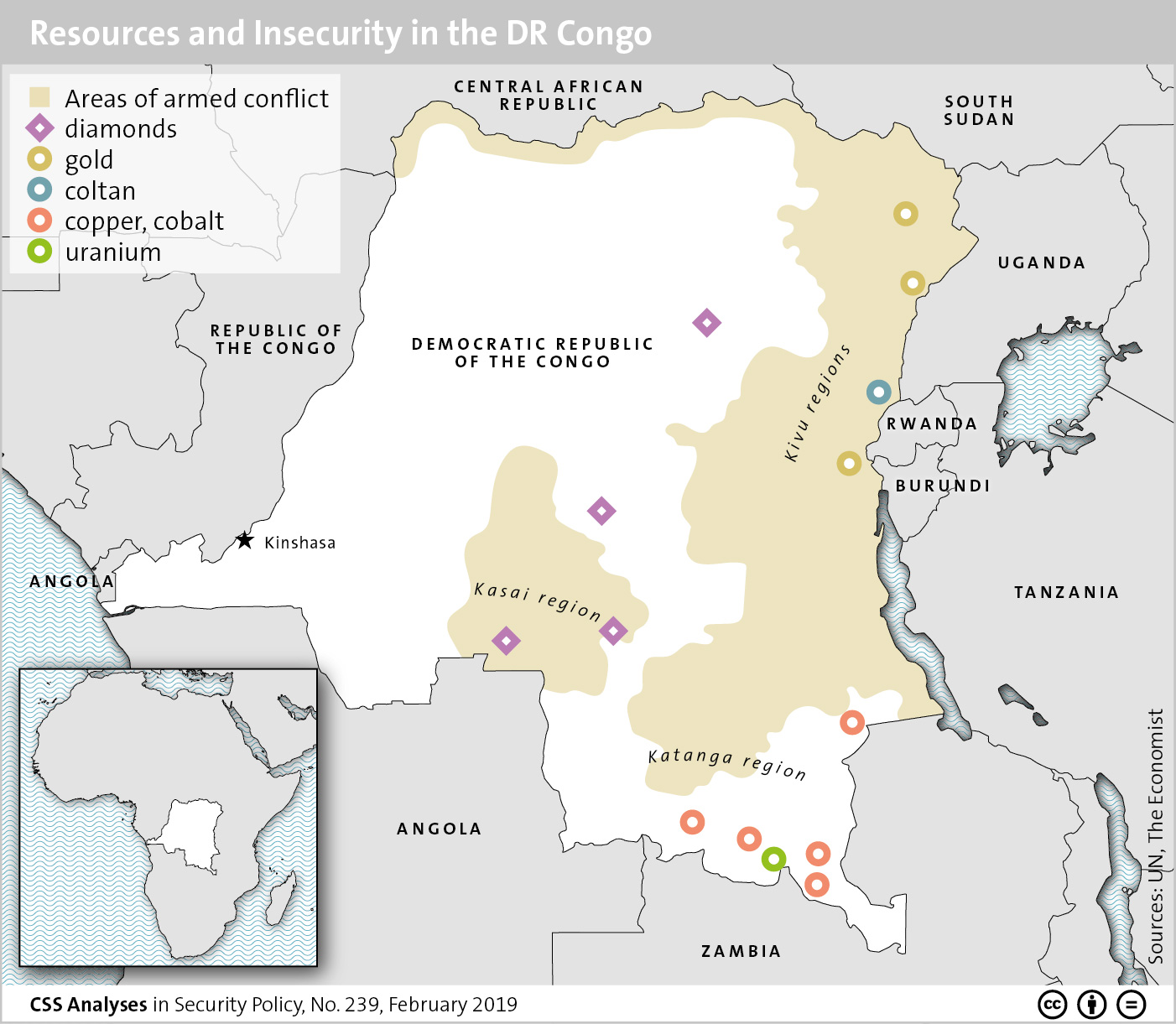
This graphic maps areas of conflict in the Democratic Republic of the Congo (DRC) and how they overlap with key natural resources found in the country. For an analysis of the political system in the DRC and its ramifications for security governance and economics, see Larissa Jäger and Benno Zogg’s lastest addition to the CSS’ Analyses in Security Policy series here. For more CSS charts and graphics, click here.
Today is the JCPOA’s third birthday – will it have another one?
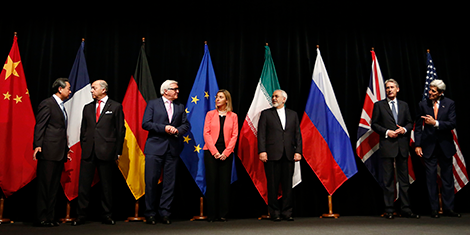
Three years ago, Iran and global powers implemented the Joint Comprehensive Plan of Action (JCPOA), curtailing the country’s nuclear weapons programme in exchange for sanctions relief. The deal continues to hang together – but only just. There are growing indications of signatory states’ fatigue and frustration in attempting to prevent the collapse of the JCPOA, following the US withdrawal from it last May. In this climate, it is important for the deal’s stakeholders to remember why it remains valuable:
Over recent years, a somewhat geeky debate has emerged among the exponents of deterrence and assurance. Although the discussion typically occurs between Americans and nationals of an allied country, it’s overly simplistic to describe it as one between the US and its allies—the divisions aren’t that clear-cut.
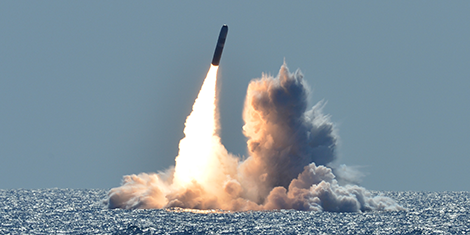
The debate is part philosophical and part phraseological. At its core sits a single adjective. Some Americans (including policymakers) say that what the US offers its allies is ‘extended deterrence’. But a number of allied nationals (again, including policymakers) find the phrase underwhelming; they’d prefer that it read ‘extended nuclear deterrence’. And so we come directly to the crux of the argument: the presence or absence of the word ‘nuclear’ in the assurance that the US provides to its allies.
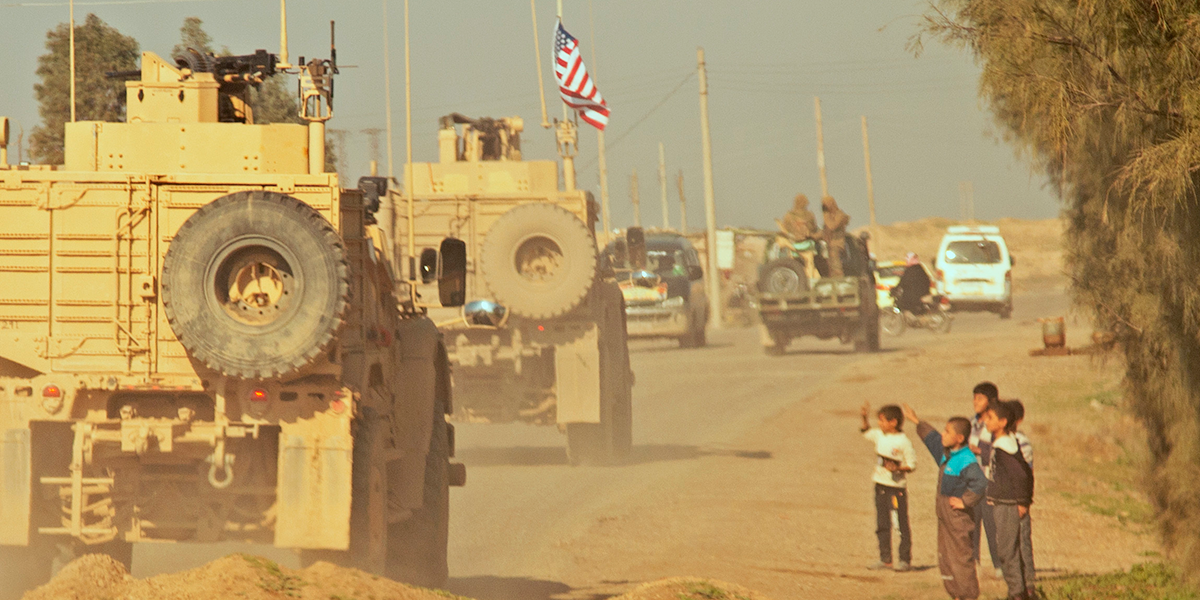
Before he resigned, former Defense Secretary James Mattis was reportedly working in conjunction with the Department of State to revise US policy in the Middle East. Whatever vision Mr. Mattis had will have likely died when he left office – but he had the right idea in undertaking a review. Our strategic situation in the region has changed since the turn of the century, but our basic strategy has remained largely intact. That is not necessarily a good or bad thing, but it does suggest that a review of political-military strategy in the region is prudent.
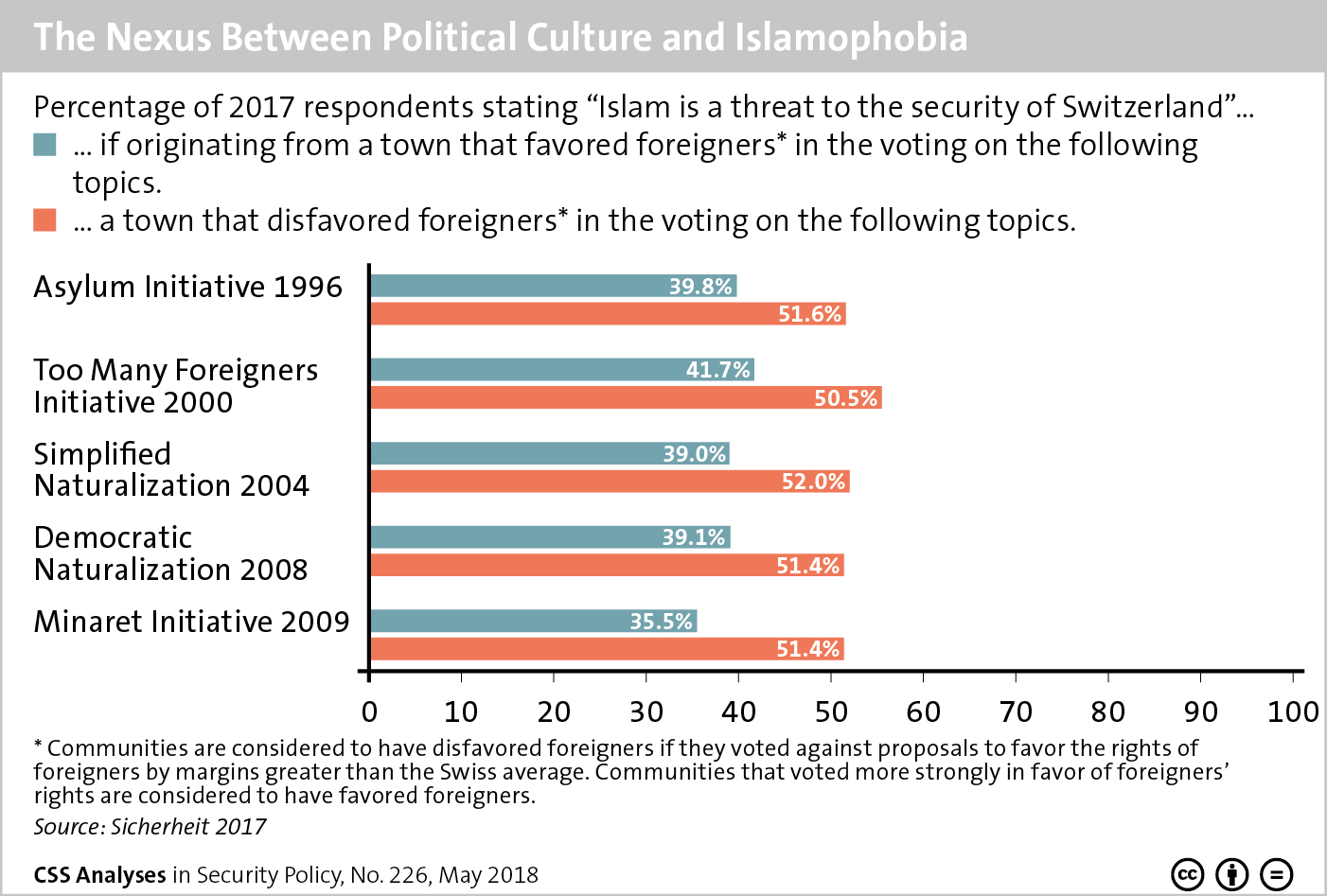
This graphic highlights the connection between political sentiment and Islamophobia in Switzerland. To find out more about views on Islam in times of terrorism, see Darius Farman and Enzo Nussio’s addition to the CSS’ Analyses in Security Policy series here. For more CSS charts and graphics, click here.