
Categories
Terrorism

Reducing Press Attention to Reduce Terrorism?

Image courtesy of AndyLeungHK/pixabay.com

This article was originally published by Political Violence @ a Glance on 1 May 2019.

The Easter morning attack in Sri Lanka reminds us that, when it comes to terrorism, governments often want to reduce the amount of media attention attackers receive. This is why the Sri Lankan government initially withheld the names of the attackers who killed nearly 300 and injured many more. The desire to deny perpetrators publicity is also why New Zealand Prime Minister Jacinda Arden publicly refused to utter the name of the gunman who killed fifty people attending mosques in Christchurch. A similar impulse can be seen in US President Barack Obama’s attempt to downplay the threat from ISIS by calling them the “jayvee team.”
AI and Autonomous Systems Are Urgent Priorities for Today’s Defence Force

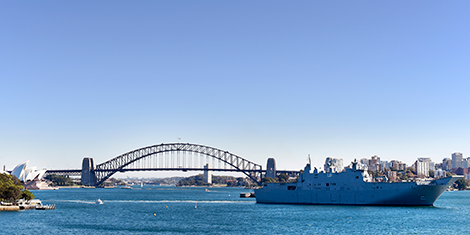
Image courtesy of Daniel Wetzel/DVIDS

This article was originally published in the Strategist by the Australian Strategic Policy Institute (ASPI) on 29 April 2019.

The 2016 defence white paper and the decades-long integrated investment program will deliver a future force that includes 72 joint strike fighters, several hundred infantry fighting vehicles, nine new frigates and 12 new submarines. F-35 deliveries have started but the ‘future’ frigate and submarine programs were well named: the Hunter-class frigates will turn up, all going well, between 2028 and the early 2040s, and the first Attack-class submarine is scheduled to enter service in 2035, with the 12th in the mid-2050s.

Categories
CSS Blog

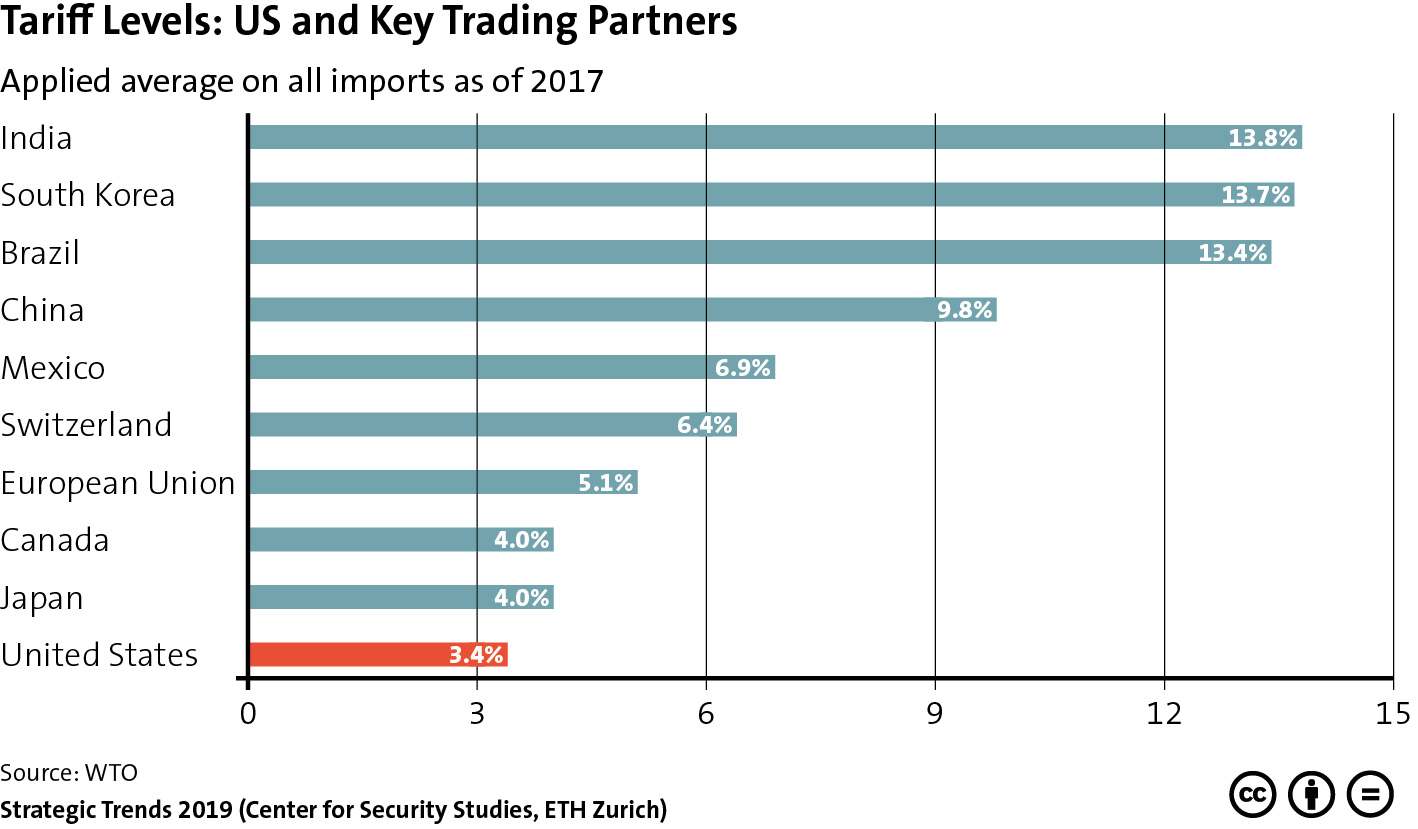
Tariff Levels: US and Key Trading Partners

EmailFacebookTwitter

This graphic outlines the average tariff levels applied on all imports by the US and a selection of its key trading partners. For an analysis of the Trump administration’s trade policies and the weaponization of international trade, see Jack Thompson’s chapter for Strategic Trends 2019 here. For more CSS charts and graphics, click here.

Categories
CSS Blog

Mediation Perspectives: Third Party Pressure Fueling Rebel Fragmentation

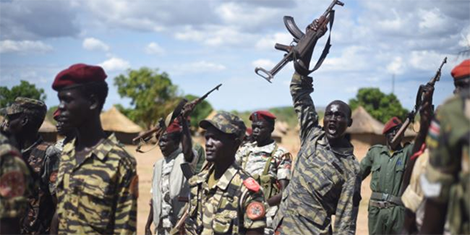
Image courtesy of Jason Patinkin/voanews.com

Mediation Perspectives is a periodic blog entry that’s provided by the CSS’ Mediation Support Team and occasional guest authors. Each entry is designed to highlight the utility of mediation approaches in dealing with violent political conflicts. To keep up to date with the Mediation Support Team, you can sign up to their newsletter here.


“The only page [of the Darfur Peace Agreement] that really matters is the last page, which has the space for the signatures of the parties,” explained Salim Ahmed Salim to the conflict parties. One Darfurian rebel leader eventually signed the agreement because of tremendous external pressure. The conclusion of the peace agreement was followed by rebel fragmentation and the civil war dragged on for many years to come.

Understanding Trends in Electoral Violence: Lessons from South Africa

Image courtesy of flowcomm/Flickr. (CC BY 2.0)

This article was originally published by Political Violence @ a Glance on 25 April 2019.

The African continent will see two dozen elections in 2019. While many observers herald this year’s surfeit of political contests as a sign post of the “Third Wave of Democratization,” others are less optimistic, noting the violence that often accompanies putatively democratic elections across the continent. Indeed, the causes and consequences of electoral violence in Africa are currently at the fore of work in both academic and policy circles. And the focus on electoral violence is warranted—in 2019 alone, violence has marred the political process in countries as diverse as Senegal, Nigeria, and Malawi, among others.