This article was originally published by War on the Rocks on 29 May 2014. War on the Rocks Editor’s Note: This op-ed is based on the author’s article entitled, “Maintaining transatlantic strategic, operational and tactical interoperability in an era of austerity,” International Affairs 90: 3 (2014) 583–600, May 2014.
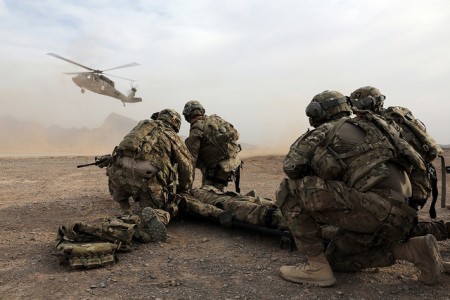
It is no accident that forces from NATO member states can actually operate alongside or embedded with one another. Interoperability is, in large part, the product of a war, one that is soon ending: the International Security Assistance Force (ISAF)’s campaign in Afghanistan. Later this year, though, NATO’s extensive involvement in operations in Afghanistan will come to an end, and with it, the alliance’s workshop for building and maintaining an unprecedented level of interoperability.
The end of NATO’s involvement in this war is, of course, not something to be mourned. Between the loss of blood and treasure over the last decade – including nearly 3,500 coalition deaths – and the defense austerity most allies are navigating, the expiration of the ISAF mandate is something to be thankful for. However, it will mean that NATO, and specifically the ground forces of alliance member states, will face greater difficulty in maintaining this unprecedented level of operational and tactical interoperability.