Israel’s Wall: 10 Years Justice Denied

Rianne Van Doevern/Flickr

This article was originally published 9 July 2014 by openDemocracy

“I spend up to five or six hours every day travelling just to get to university. Without the wall and the checkpoints, this trip would take 20 minutes.”

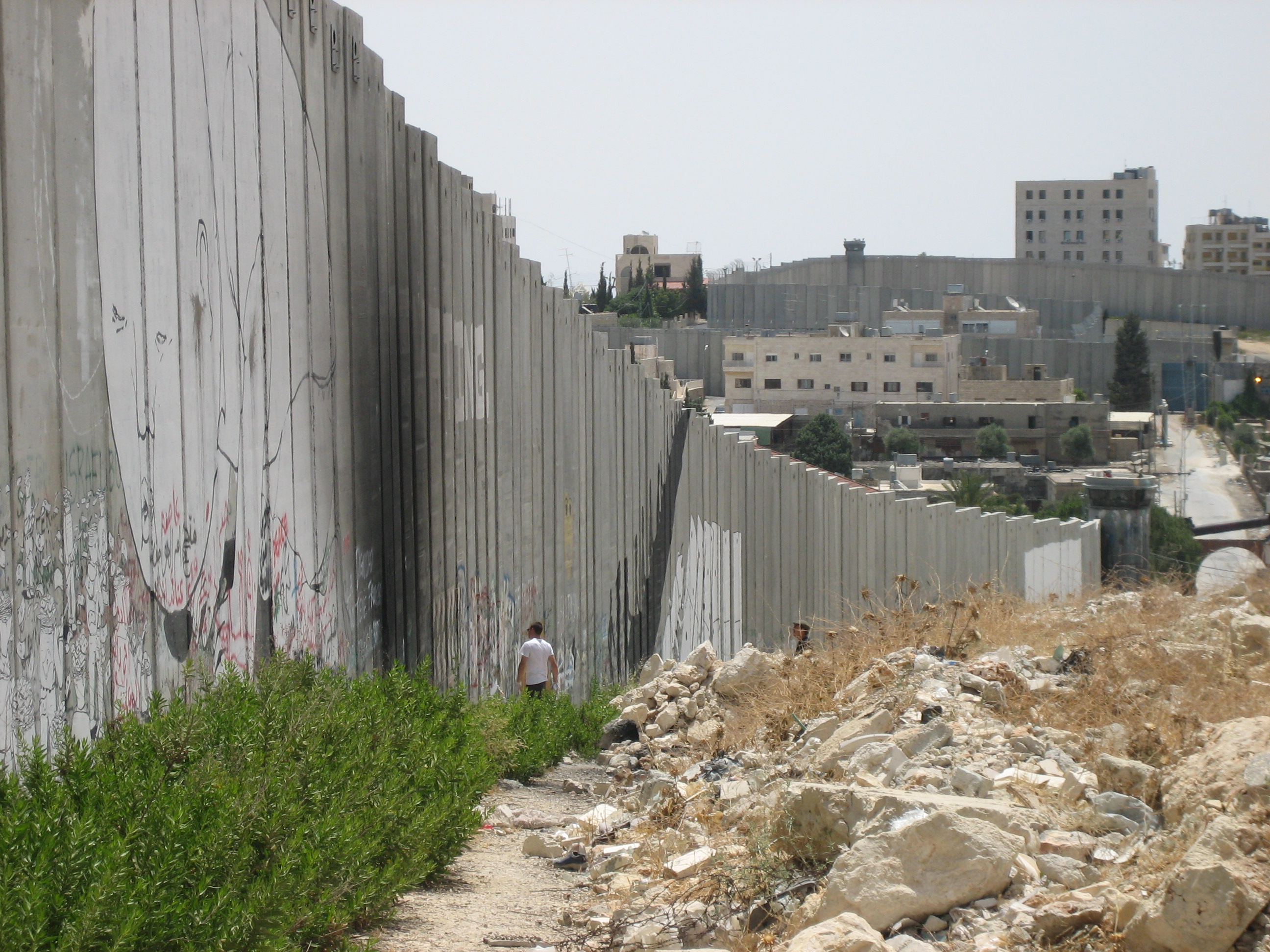
English Literature students Hala Liddawieh and Nagham Yassin, both 20 years old, live in occupied East Jerusalem and travel across the wall every day to get to Birzeit university, passing through the infamous Qalandia military checkpoint. Qalandia is one of the largest Israeli military checkpoints in the occupied West Bank: to get past, residents have to walk through G4S-supplied body scanners, while Israeli soldiers check their identity cards.

A decade after its illegal construction, Israel’s wall casts a shadow over every aspect of Palestinian life.
The African Peace and Security Architecture (APSA) – a Design without Builders

Tobin Jones/Flickr

Speaking honestly and forthrightly is often frowned upon in regional politics. Being too explicit or realistic, for example, is often seen as ‘unhelpful’ or, even worse, as sabotaging the ‘art of the possible’. Being an Idealist, in contrast, is synonymous with being progressive and enlightened. A common symptom of political idealism, especially over the last twenty-five years, has been to create an organization or initiative and then worry about defining its everyday purpose, form and function at a later point in time. “Build or create it and they will come” isn’t an unfair way to describe this approach. Take the African Union’s African Peace and Security Architecture (APSA), for example. In theory, it is a regional mechanism designed to prevent, manage and resolve conflicts in Africa. In truth, it remains nothing more than a construction site. The fifty-four member-states of the AU, whose headquarters continues to be largely financed by the European Union, have not really taken ownership of the ‘site’. Nor have they fleshed out one of the APSA’s main elements – the African Standby Force (ASF). Yes, the truth may be ugly and in ‘bad taste,’ but the reality today is that the APSA is only being taken seriously by those who make their living from it.

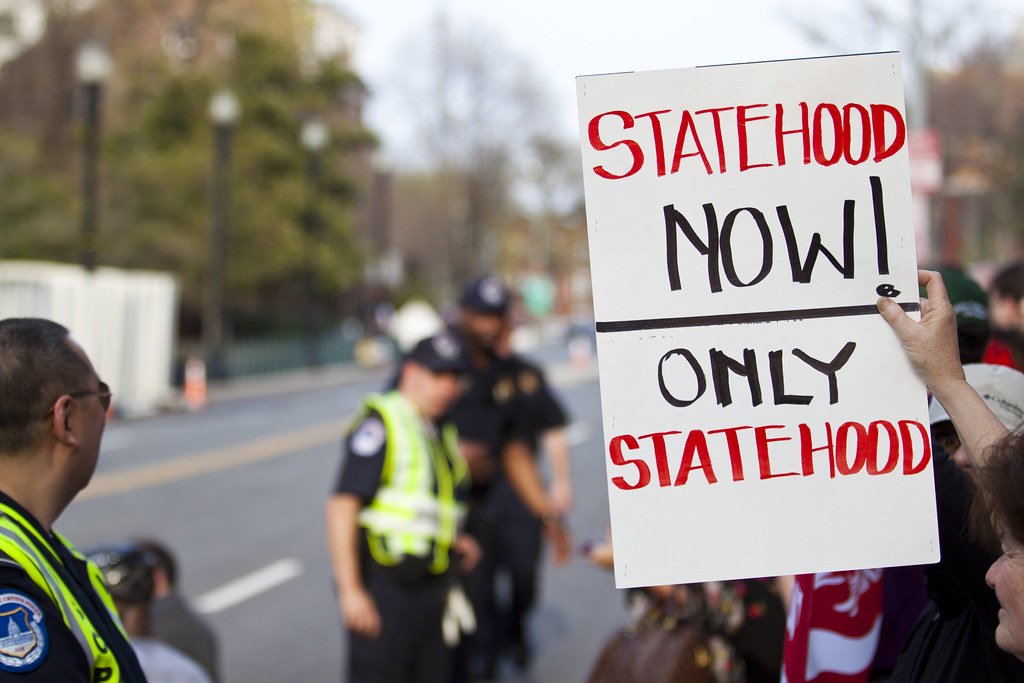
Why Is Statehood So Popular?

Photo: Andrew Bossi/flickr

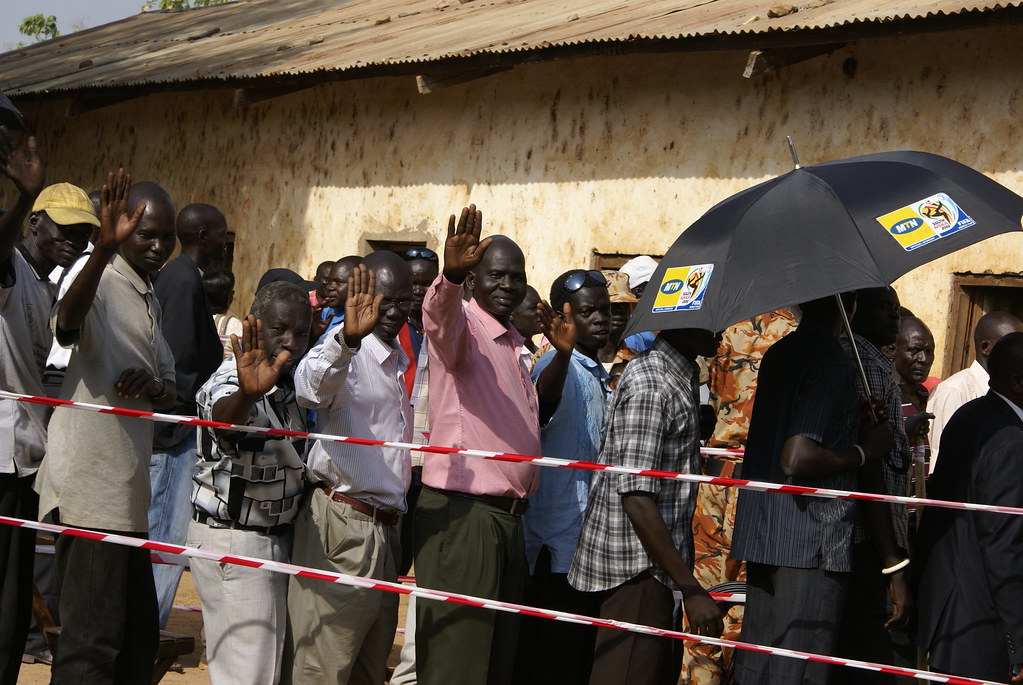
This article was originally published by the IPI Global Observatory on 27 June 2014.

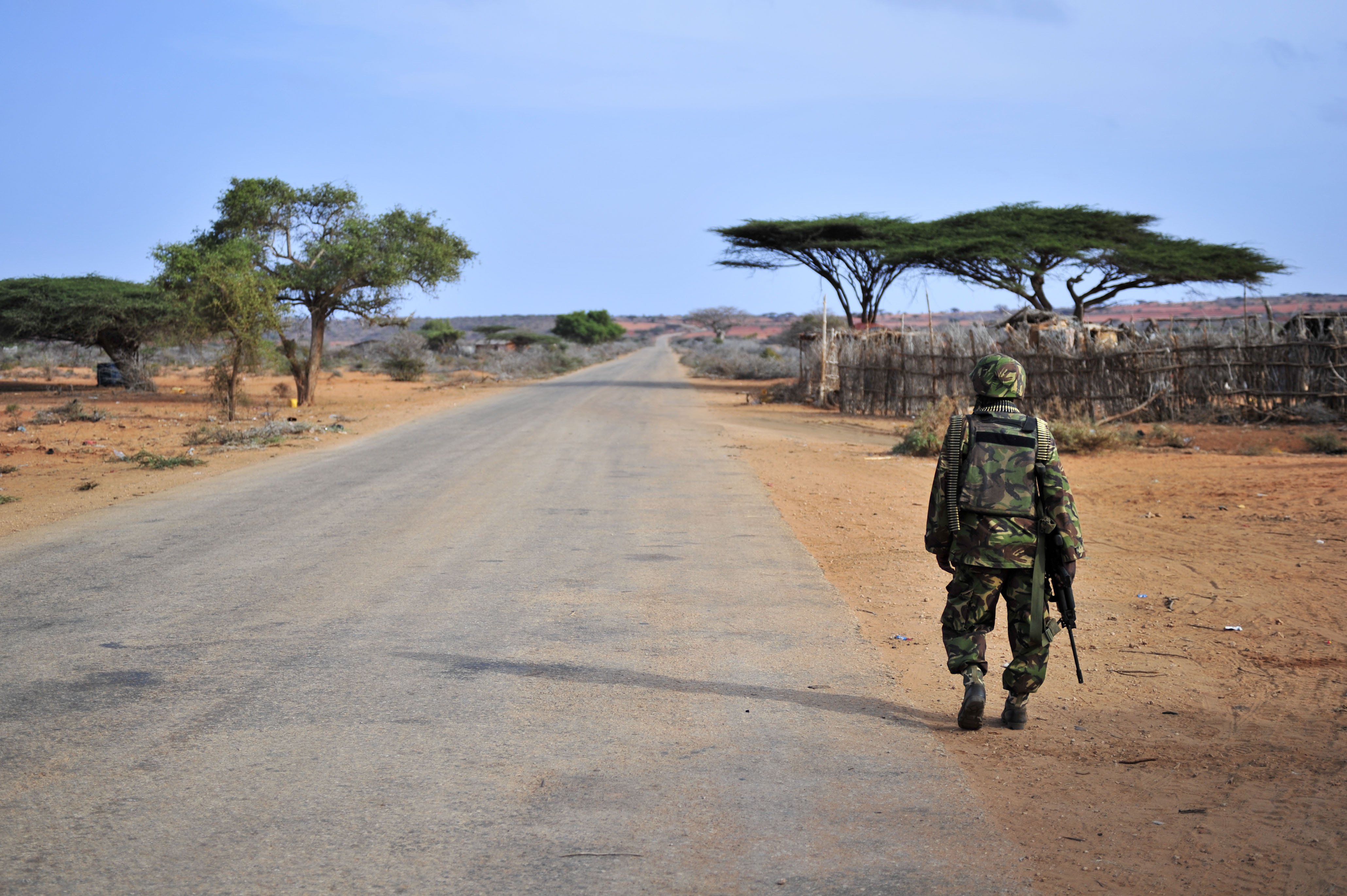
From Scotland to Syria to Somalia, various groups are seeking to create independent states. The Scots will vote on independence this September. Kurds in northern Syria and Iraq have revived their hopes for an independent Kurdistan as the Islamic State in Iraq and Syria (ISIS) envisions redrawing the map of the Middle East. And tribal leaders in northwest Somalia govern the territory they claim more effectively than the internationally-recognized Federal Government of Somalia controls the south.

Book Review: Referendums and Ethnic Conflict by Matt Qvortrup

Photo: Al Jazeera English/flickr

This article was originally published by the blog LSE Review of Books on 26 June 2014.

Drawing on political theory and descriptive case studies, Matt Qvortrup looks to create typologies of referendums that are held to endorse secession, redraw disputed borders, legitimize a policy of homogenization, or otherwise manage ethnic or national differences. He considers the circumstances that compel politicians to resort to direct democracy, such as regime change, and the conditions that might exacerbate a violent response. Gary Wilson believes the book will be of interest to political scientists and international relations scholars as some chapters are heavy with mathematical formulae used to predict the probability of various outcomes of referendums.

The Geopolitics of Ramadan

Photo: DVIDSHUB/flickr

This article was originally published by Stratfor on 28 June 2014.

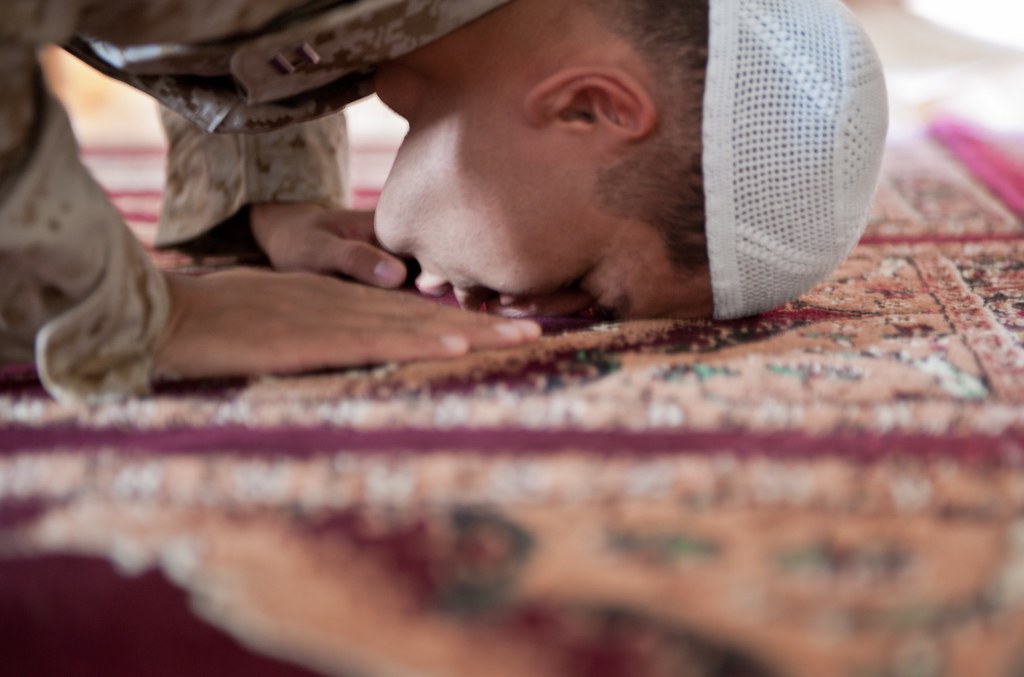
Ramadan for most people is a religious occasion when Muslims around the world fast from dawn until dusk. During this lunar month, the faithful also try to pray as much as possible and seek to maximize the practice of good deeds. However, Ramadan has a much less talked about geopolitical dimension.

Analysis

Ramadan, the ninth month of the Islamic calendar, begins on June 28 in North America this year (2014 on the Gregorian calendar, 1435 on the Muslim Hijri calendar). As is always the case, there are variations in the calendar — usually of one or two days — for Muslims living in different parts of the world. For instance, Saudi Arabia has announced that it will start Ramadan on June 29.

The Koran is believed to have been revealed in this month. The last 10 days are considered the most blessed — especially Laylat al-Qadr (Night of Power), which falls on the 27th night of the month.