Categories
CSS Blog

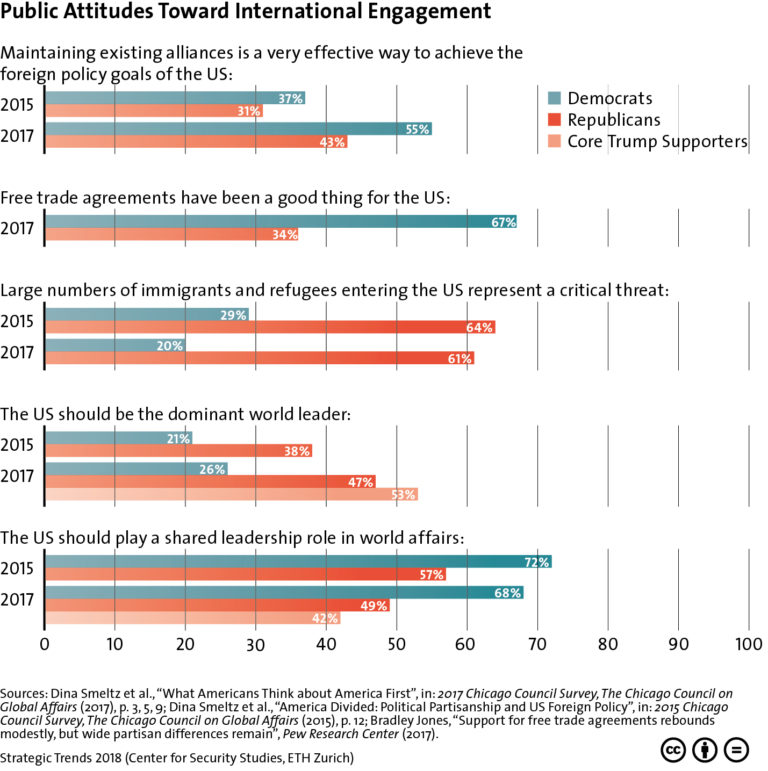
Public Attitudes Toward International Engagement

EmailFacebookTwitter

This graphic depicts attitudes of the American public (broken down by political affiliation) toward the US’ international engagement. For more on the contemporary geopolitical landscape, see Jack Thompson’s chapter for Strategic Trends 2018 here. For more CSS charts, maps and graphics on defense policy, click here.
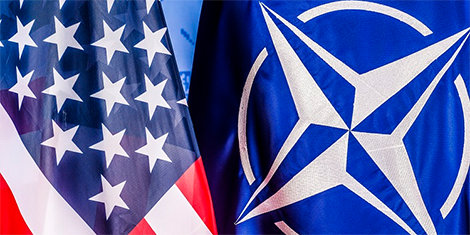
NATO’s 2018 Summit: Key Summit Deliverables and Five Initiatives Where the US Can Make a Difference

Image courtesy of US Department of State

This article was originally published by the Center for a new American Security (CNAS) on 30 March 2018.

On July 11–12 2018, NATO’s 29 members will convene at NATO Headquarters in Brussels for the first full-length summit since Warsaw in 2016. NATO Secretary General Stoltenberg has laid out the following summit goals: further strengthen the transatlantic bond, build on NATO’s work with partner nations to fight terrorism, strengthen NATO’s Black Sea presence, and step up efforts against cyberattacks and hybrid threats.

The Transatlantic Security Team at the Center for a New American Security (CNAS) proposes the U.S. focus on five initiatives in these Summit areas to strengthen the Alliance.

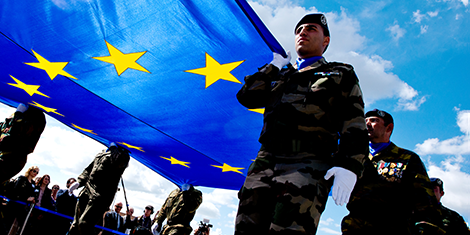
No Sleeping Beauty: A Framework for Coordinated Defense in the EU

Image courtesy of European Parliament/Flickr. (CC BY-NC-ND 2.0)

This article was originally published by IPI Global Observatory on 16 April 2018.

In November last year, 23 member states of the European Union (EU) made a historic decision to move defense cooperation from a mere political commitment to concrete action, through awakening what has been called “the sleeping beauty” of the 2009 Lisbon Treaty.

It’s Not Really About the Nukes – Crisis Negotiation in North Korea

Image courtesy of Dreidprawns/Wikipedia. CC BY-SA 3.0

This article was originally published by Political Violence @ a Glance on 12 April 2018.

The United States may soon have a shot at talking directly to North Korea’s Kim Jong-un. Given this unique opportunity, what foreign policy tactics should US negotiators use in the effort to denuclearize the Korean peninsula? It may seem strange, but negotiators might consider taking a lesson from the FBI and the field of Crisis Negotiation to show us a better path to de-escalation.

Categories
CSS Blog

Strategic Trends 2018

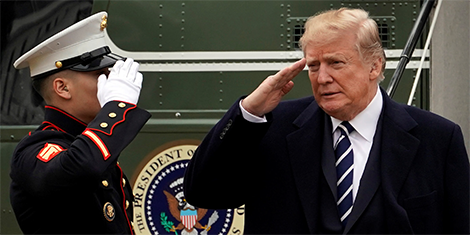
US President Donald Trump returns to the White House after addressing the Republican Congressional Retreat, 1 February 2018. Yuri Gripas / Reuters

Strategic Trends 2018: The CSS has published its annual analysis of major developments in world affairs. The four topics covered include whether or not emerging trends suggest the US could become a less reliable partner for Europe; why Russia and China are likely to continue building closer relations; the potential impact of energy technologies on international politics; and how resilience can act as an instrument of deterrence.

CLICK HERE to download the publication.