Happy Easter from the ISN, Photo: Jim Deane/flickr
In keeping with the Swiss national holiday that marks Easter weekend, The ISN will be on publishing hiatus from Friday, 22 April-Monday, 25 April. We look forward to resuming our regular publishing schedule on Tuesday the 26th.
From all of us at the ISN, a happy spring weekend to you and yours!
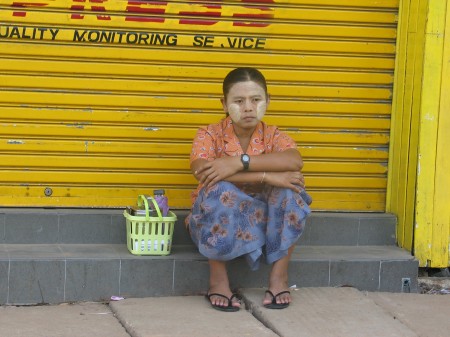
Still not much to celebrate. Photo: Valerie Sticher
Last week, the EU eased its long-held travel and financial restrictions on four Burmese ministers and lifted the ban on high-level visits to the country. The decision follows the swearing-in of a new government in March and is the first partial reversal of punitive measures against the suppressive regime. So, are things finally heading in the right direction?
It’s easy to suggest otherwise. The elections in November last year were neither free, nor fair. The new, nominally civilian regime is still dominated by the military elite. Praise for Aung San Suu Kyi’s release from house arrest is hardly due, given the regime’s bizarre reasoning for extending her detention in the first place. And ethnic conflicts are still a sad (and under-reported) reality in the resource-rich country. But some subtle changes give hope for restrained optimism. Perhaps most importantly, powers are now distributed more widely. In the past, literally everything – from defense and security issues to social and economic matters – had been controlled by a single, authoritarian leader. Now there are four (partially overlapping) key centers of power: the presidency, the military, the parliament and the Union Solidarity and Development Party.
These changes are not the result of sanctions, but most likely part of Than Shwe’s exit strategy. In an attempt to avoid the miserable fate he imposed on his predecessor, Than Shwe has put in place constitutional arrangements that make it difficult for a single person to emerge as a new strongman.
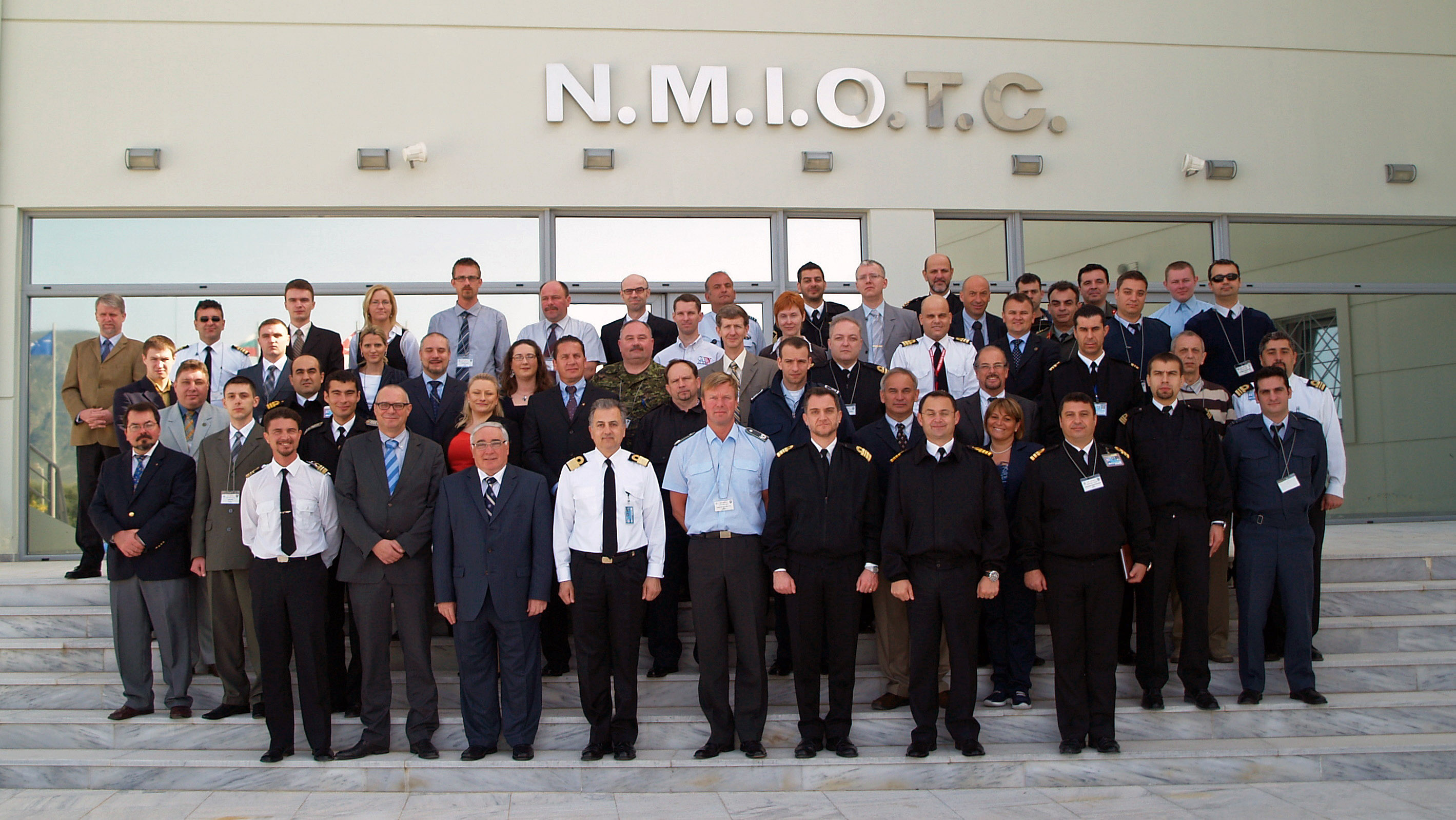
From April 12 to 14 a total of 48 professionals participated in the Cooperative Development Team Training at the NATO Maritime Interdiction Operational Training Center (NMIOTC) in Crete. An intense three-day program provided them with an insight into the theories and processes of producing ADL courses as well as with first-hand practical experience.
Participants from 12 countries. 4th from left: Commodore Adrianos Poulos, commandant of the hosting NMIOTC. Photo: NMIOTC
About ADL and e-learning
Advanced Distributed Learning (ADL) is e-learning based on the SCORM standard. This standard, established and maintained by ADL Labs in the US on the basis of a US DoD initiative, is well established in NATO and also represents the production standard of the PfP Consortium’s ADL Working Group. Advanced Distributed Learning to this standard supports interoperability of content accross compliant NATO and non-NATO platforms as well as flexibility when it comes to combining content for different audiences and learning scenarios.
It's week 16 on our 2011 editorial calendar, Photo: Christian Johannesen/flickr
Here’s a preview of what’s coming up this week in ISN Insights:
On Monday Dr Dean Baker – co-director of the Center for Economic Policy Research – opines about the European Central Bank’s fiscal policy failings in the wake of the financial crisis.
The Kofi Annan Foundation’s Albert Souza Mulli on Tuesday takes a closer look at Rio de Janeiro’s new Police Pacification Units – and the doctrinal and operational shift away from police ‘business as usual’ that they represent.
On Wednesday, the Foreign Policy Association’s senior health blogger, Cynthia Schweer, discusses community health worker programs as a possible solution to healthcare employee shortages in the developing world.
Dr Harsh Pant of King’s College London examines India’s struggle to balance strategic interests against national values in its support for the ongoing Libyan intervention on Thursday.
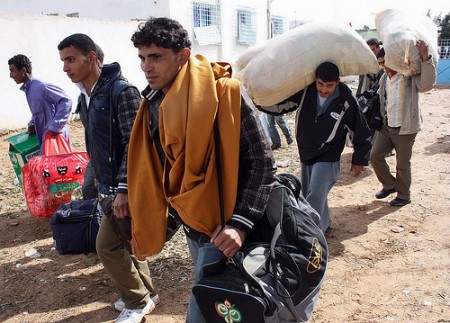
The Kuwait Times reports that before the uprising, there were some 2.5 million migrant workers from various countries in Libya. Some have since returned to their native country on their own, while some required consular or diplomatic assistance. According to international migration officials, 191,748 foreign migrant workers have already left Libya. Of these, 104,275 crossed into Tunisia, 84,973 to Egypt, 2,500 to Niger and 4,000 went to Algeria.
The situation of the remaining migrant workers is tenuous: They have been left to fend for themselves, after employers abandoned them. Unskilled workers do not dare go out as they are fearful of being shot, either by protesters or by forces loyal to Muammar al-Gaddafi. With food, water and medicine shortages, local shops are selling the few available products to Libyan citizens, not migrant workers. This has meant some workers have no money or food, and are approaching the verge of starvation.
The governments of developing countries in Asia – such as Bangladesh, the Philippines, Thailand, and India – are struggling to evacuate their nationals from Libya. Among the masses of foreign workers trapped in Libya and desperate to leave, migrants from Bangladesh comprise the largest number of foreigners ensnared in the crisis and unable to flee.
In a recent article, World Bank senior economist Jahed Hossain Khan said that the World Bank will loan Bangladesh $30 million for the evacuation of expatriates from Libya.