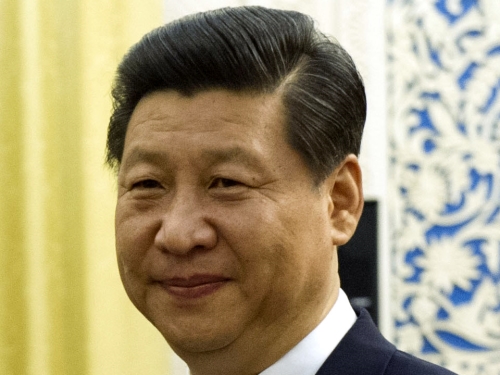
The Silk Road Economic Belt (SREB) proposal put forward by Chinese President Xi Jinping is considered a new model for regional and South-South cooperation. It is also the priority area for China’s all-round opening up and neighbourly diplomacy. While SREB potentially involves over 40 Asian and European countries, Central Asia occupies the centerpiece of the Belt.
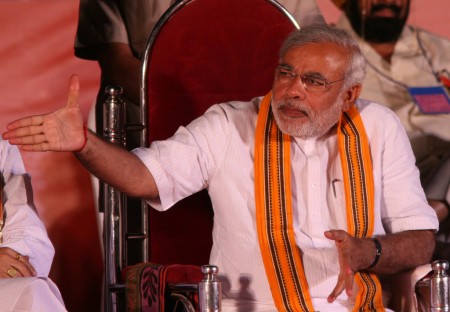
Narendra Modi’s two-day visit to Kathmandu in early August, the first visit to Nepal by an Indian premier in 17 years, was his third trip abroad since his inauguration on 26 May. In mid-June, only weeks after taking charge in New Delhi, he had made his first official foreign excursion — a two-day visit to nearby Bhutan. These upfront state visits to the two Himalayan countries were a clear indication that Modi was determined to put flesh on his campaign pledge to give priority in his foreign policy to bolstering relations with India’s South Asian neighbours.
In her new book, Swati Parashar looks at the subjectivities of militant women in two protracted South Asian conflicts: Kashmir and Sri Lanka. She reveals that women who do not fit the stereotypical bill of wailing victim or mother are silenced by a dominant social discourse, which translates into the absence of women in peace building processes and post-war politics. Parashar draws on her qualitative research, International Relations, feminist literature and a vast number of multidisciplinary sources on gender and war to shed light on the mutual effects of politics and gendered understandings of female identities and bodies. Her book is divided into several chapters introducing the topic of silencing, gendered nature of wars, issues connected to her fieldwork, her findings from Kashmir and Sri Lanka, and finally the politics of remembering.
Since the end of World War II, a number of the world’s most dramatic political events have resulted from demographic shifts and government reaction to them. Despite this, political demography remains a neglected topic of scholarly investigation.
The Colombian peace process has advanced steadily without major interruption since it was formally launched in Norway and peace talks between the Colombian government and the Colombian Revolutionary Armed Forces (FARC) began in Cuba in late 2012. As with most peace processes, the Colombian process has evolved over time and in stages, with adjustments to the methodologies, focus, and engagement of the stakeholders. A number of these modifications are breaking new ground, particularly with regard to the roles of civil society and the design of strategies for dealing with the past.